






7 Best Tools for DIY Woodworking
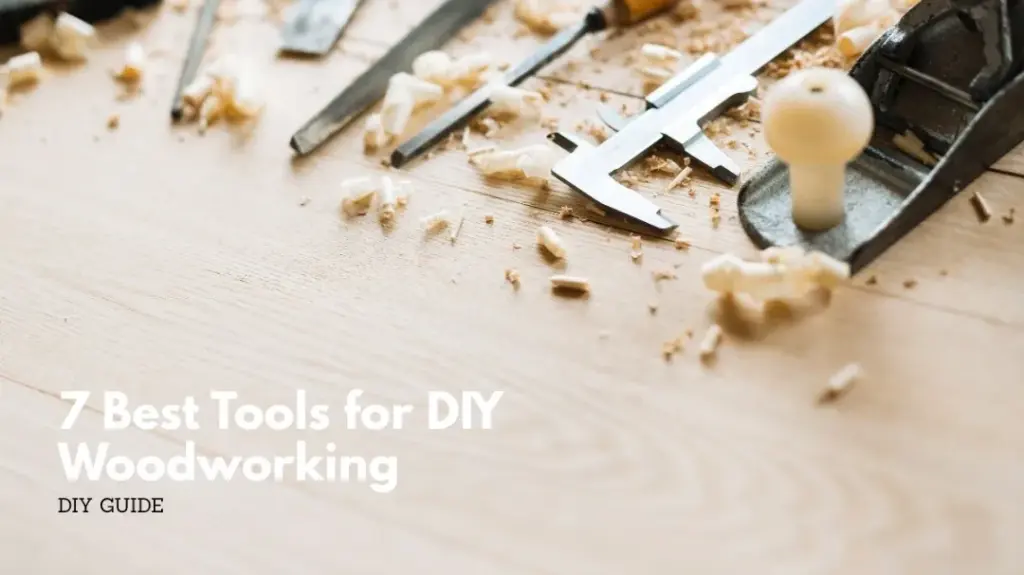
Starting a Best DIY woodworking project is a rewarding experience. It lets you create custom furniture, home decoration, and practical solutions with your own hands. However, the wide range of tools available can feel overwhelming for beginners. You don’t need a fully equipped professional workshop to make beautiful and functional pieces.
With a carefully chosen set of essential tools, you can tackle various projects, build key skills, and confidently bring your ideas to life.
Table of Contents
The Versatile Circular Saw
To make straight and accurate cuts in sheet goods or break down larger pieces of lumber, a circular saw is essential. This portable power tool has a rotating blade that cuts through various wood thicknesses quickly and efficiently. Its portability and ease of use make it great for tasks like cross-cutting boards and ripping plywood. That’s why it’s popular in framing, decking, and general construction.
While a table saw offers more precision for repeated cuts, a good circular saw, especially when used with a straightedge guide, can deliver very accurate results.
For many projects, it is the first step in turning raw lumber into manageable pieces. Having one in your workshop helps you prepare materials for almost any woodworking task.
The Indispensable Cordless Drill and Driver
Every woodworking shop needs a reliable cordless drill and driver. This versatile tool is among the most often used, whether for small or large projects. It’s perfect for drilling pilot holes, driving screws, and boring larger holes with the right attachments.
The cordless design offers freedom of movement, allowing you to work anywhere without needing to be near a power outlet.
Modern models often have adjustable clutch settings to prevent overdriving screws, as well as comfortable grips for extended use. Many even include an impact driver function, which provides extra torque for driving long screws into hardwoods. From assembling furniture to installing hardware, this tool proves to be a true workhorse.
The Agile Jigsaw One of the Best Tools for DIY Woodworking
While the circular saw is great for straight cuts, there are times when your project needs curves, cutouts, or intricate details.
That’s when the jigsaw becomes important. This handheld power saw uses a reciprocating blade that moves up and down, allowing it to cut curves, patterns, and internal openings.
Woodworkers use it for tasks like cutting out sink openings in countertops, creating decorative designs, or trimming boards with irregular shapes. The variety of blade types available makes it adaptable for different materials and cutting speeds. Although it can’t match the circular saw for straight-line power or accuracy, its ability to navigate curves and custom shapes makes it invaluable.
The Essential Random Orbital Sander
A smooth finish sets apart a polished woodworking project from a rough one. The random orbital sander is the best tool for achieving that finish.
Unlike traditional sanders that move in predictable patterns, the random orbital sander combines orbital and rotational movement, reducing swirl marks and leaving a clean, professional surface.
It’s perfect for preparing wood before staining, painting, or varnishing. It also removes old finishes, smooths rough stock, and refines edges. By using different grits of sandpaper, you can go from removing big imperfections to creating silky-smooth surfaces ready for finishing.
This tool is essential for the final steps of any project, ensuring your work looks as good as it functions.
The Foundational Measuring Tape and Square of Best tools for DIY woodworking
You might overlook measuring tools, but accuracy starts here.
A high-quality measuring tape ensures precise dimensions, while a combination square or speed square helps you mark straight lines, check for squareness, and set angles.
The old saying “measure twice and cut once” is certainly relevant. Without reliable measuring and marking tools, even the best equipment can’t guarantee accurate results.
By investing in these simple yet important items, you can avoid wasted materials, misaligned joints, and frustration. They may not be as exciting as power tools, but they are the foundation of successful woodworking.
The Indispensable Clamps
Clamps are often underestimated by beginners, but they are among the most crucial tools in any workshop.
They act as an extra set of hands, holding pieces securely while you cut, drill, or glue. Without them, it’s nearly impossible to assemble projects accurately. There are various types, such as bar clamps, pipe clamps, spring clamps, and F-clamps.
Each serves a slightly different role, and having a mix ensures you are ready for both large assemblies and small detail work. Clamps apply the pressure needed for tight joints and strong glue bonds, ensuring that your projects are both durable and precise. Without them, even the most carefully cut boards can slip out of alignment.
The Non-Negotiable Safety Gear
While not a power tool, safety gear is vital for protecting your health. Woodworking comes with risks from sharp blades, fast-moving machinery, and airborne dust. Proper protective equipment greatly reduces these risks.
At a minimum, every woodworker should have safety glasses to protect against flying debris, hearing protection to avoid long-term hearing loss, and a dust mask or respirator to guard against harmful particles.
Gloves help when handling rough lumber, and sturdy footwear protects against dropped tools or boards. Safety should never be an afterthought. By investing in and consistently using proper protective gear, you ensure that woodworking remains safe and enjoyable.
Best Beginner Friendly Woodworking Tools
Building Your Woodworking Foundation
DIY woodworking does not require buying every tool at the hardware store. By starting with these seven essentials, you build a strong foundation for countless projects. The circular saw, cordless drill and driver, jigsaw, random orbital sander, measuring tools, clamps, and safety equipment each serve a unique purpose. Together, they provide what you need to turn raw materials into functional and beautiful creations.
Related: Level up your workshop knowledge by understanding the 5 Top Differences Between Jigs and Fixtures and how they can sharpen your DIY results.
This article contains affiliate links #ad
Loved by our customers

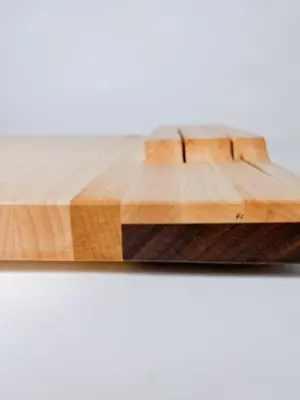
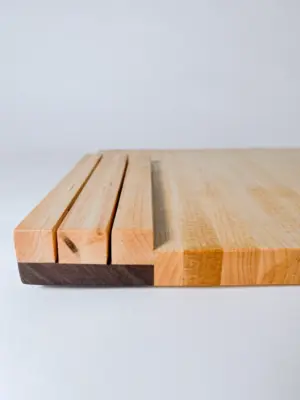
Edge Grain Cutting Boards
FREE Shipping
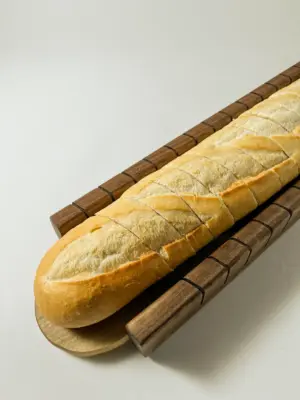
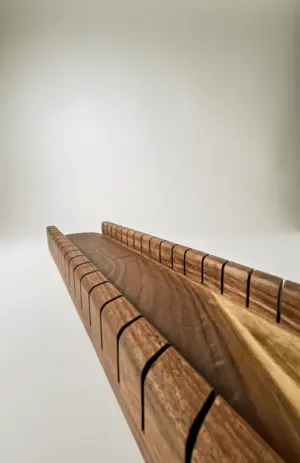
Wood Cutting Boards
Walnut Wooden French Bread Slicer for Baguettes, 1 inch thick slices
FREE Shipping
FREE Shipping