







DIY vs Buying Wooden Furniture: Which One is Better?

Deciding between DIY vs buying wooden furniture involves weighing many factors. As a homeowner, you want durable pieces without breaking the bank – and those options often pull you in different directions. On one hand, making your own furniture can feel rewarding and fully custom. On the other, shopping for ready-made pieces saves time and effort. This guide compares DIY and store-bought furniture across key categories (cost, quality, time, customization, tools/skills, emotional satisfaction, sustainability, etc.) to help you make an informed choice.
Table of Contents
Cost Comparison: Building vs Buying
When it comes to cost, DIY projects often start out feeling cheaper, but hidden expenses can add up. Materials: Building a wooden bookshelf or table typically requires lumber, hardware, finishes, and possibly new tools. If you already have some supplies (or reuse salvaged wood), your out-of-pocket cost may be low. In fact, many woodworkers point out that DIY furniture can be significantly cheaper than retail for comparable quality.
- DIY Upfront Costs: You control spending by choosing inexpensive or reclaimed wood, but you might need to buy tools (saws, drills, fasteners) if you don’t already own them. These tool costs are amortized over future projects, though they add to the initial investment.
- Store-Bought Costs: Ready-made furniture often has a higher markup. Big retailers and showrooms build in labor, brand, and retail margins. The sticker price can be significantly higher than your material costs for a DIY piece. However, on sale or secondhand markets, you might snag bargains.
Long-term value: Cheap, flat-pack pieces (like particle-board furniture) can need frequent replacement, effectively increasing their lifetime cost. In contrast, a well-built DIY solid-wood piece may cost more material up front but last for decades. As one woodworker blog observes, building with solid wood yields furniture “made to stand the test of time” – meaning you likely avoid future replacement expenses. When you factor in replacement cycles, DIY often wins in total value.
Overall, if your budget is tight, DIY has the potential to save money. It usually beats store prices if you shop sales, reuse materials, or build over time. But if you miscalculate, run out of wood, or need custom cuts, the costs can climb.
Quality and Durability
Materials: DIY gives you choice: you can use real solid wood (oak, pine, maple) or high-grade plywood. In contrast, many ready-made pieces use cheaper materials like particle board, MDF, or veneered composites to cut cost. One furniture expert notes that such mass-market furniture often employs “wood-plastic composite” panels that are affordable but far less durable. By comparison, a DIY project built of solid timber can be much stronger. A blogger praises DIY furniture made of real wood, saying solid lumber “is made to stand the test of time”. Real wood can handle load and be refinished; cheap laminate or chipboard cannot.
Construction: DIY success hinges on skill. An amateur may produce wobbly joints or uneven finishes if inexperienced. But with care, you can build more robust supports than off-the-shelf models. For example, you can add extra brackets or thicker legs in your design to increase stability. Professionally-made heirloom furniture (e.g. fine antiques) is hard to beat in craftsmanship, but a modest DIY piece can surpass typical flat-pack quality. Remember: mistakes like stripped screws or misaligned parts can undermine durability.
Quality Trade-offs: Store-bought furniture offers consistency: machines cut parts and workers assemble to spec. You know what you’ll get. But quality varies widely by price and brand. Luxury or handcrafted store pieces rival DIY quality, often using the best materials. Discount furniture, however, is often designed to wear out. A home-furnishings blog warns that low-cost furniture “is not designed to last more than a few years,” meaning you’ll have to replace it. In short: with DIY, your piece can be of high quality if you invest in good materials and workmanship; with buying, quality depends on how much you spend and the manufacturer’s standards.
Time and Convenience
One of the biggest differences is time investment. DIY means dedicating hours (or weekends) to planning and building. Planning and Prep: Measuring, designing, acquiring wood, and maybe cutting plans all take time. Build Time: Even a small side table can easily require 10–20 hours of actual building (plus drying time for glue or finishes). If you’re a beginner, expect more trial-and-error. A Statista survey found U.S. shoppers spend on average 3.5 hours assembling each piece of furniture, and that was for kits with instructions!
- DIY Time: You set the pace, but it often takes much longer than expected. Lancaster Handcraft cautions that a DIY project “may take a lot longer than intended”. You might spend an entire weekend or more on even a basic piece.
- Buying Time: Off-the-shelf furniture can be purchased on the spot (if in stock) or delivered. Custom orders or large items may have lead times of weeks. Lancaster notes that custom-built store furniture “may take a long time to deliver”. However, once you buy, there’s no build-time on your part (aside from assembly if needed).
In short, DIY trades money for time. If you have spare time (and enjoy the process), this is no drawback – it’s the point. But if you’re in a rush, buying saves your weekends. Keep in mind also the time hidden cost: if assembly stress isn’t your idea of fun, it might not be worth it.
Customization and Personalization
One DIY advantage is total customization. When building your own wooden furniture, you can tailor dimensions, style, and features to exactly fit your space and taste. Lancaster Handcraft highlights this as a pro of DIY: you “control the timing of the project” and “can custom design your own piece of furniture”, resulting in a “one-of-a-kind” item. For example, you can choose a niche bookshelf height, unusual wood species, or combine colors freely. This means the final product is uniquely yours.
By contrast, ready-made furniture comes in fixed designs. Some retailers let you tweak upholstery or finishes, but the core dimensions and aesthetics are standardized. You may need to compromise on size or style if nothing off the shelf matches your vision. Of course, custom-made furniture (ordered from artisans or a shop) bridges this gap, but that is usually very expensive – often far more than DIY materials alone.
For many homeowners, customization is the tiebreaker. A DIY project can perfectly match your décor and space, whereas buying means settling for what’s available.
Tools, Skills, and Challenges
DIY requires not only tools but also skill and safe practices.
DIY furniture requires tools and skills that buying does not. If you decide to build, consider:
- Tools Needed: Basic carpentry tools (saw, drill, hammer, clamps, level, sander, etc.) are essential. If you lack them, you may need to buy or borrow – increasing cost.
- Skills and Safety: You need to know how to measure accurately, cut safely, and join pieces squarely. Without experience, parts may misalign or break. Lancaster’s DIY cons point out risks: one “can hurt yourself using power tools” and must be meticulous to avoid a flawed outcome. Improperly assembled furniture can also be a safety hazard if it wobbles or collapses.
Buying avoids these hurdles: professionals do all the assembly. But remember, even flat-pack furniture (like IKEA kits) requires some tool use. The time and frustration of assembly are non-negligible (some report 3+ hours on a single piece).
Space and Mess: Building furniture also needs workspace. A garage or shed is ideal; doing it in a living room will get sawdust everywhere! Lancaster notes you “may not have adequate space… furniture making can be very messy”. In short, DIY demands room and cleanup.
Emotional Reward and Pride
One of the often-overlooked aspects is the emotional satisfaction of DIY. Many woodworkers find immense pride and enjoyment in creating something with their own hands. Lancaster Handcraft’s list of DIY pros includes taking “pride in the outcome” and having a piece you can “pass on to your kids/grandkids”. There’s a personal story and memory in every scratch, stain choice, and dovetail joint you build. If you love crafts, the project itself can be a fulfilling hobby.
Buying lacks this personal narrative. Even if you purchased a luxurious handcrafted piece, it doesn’t carry your efforts. However, store furniture can still bring satisfaction in other ways – enjoying the result without the build toil. It might be less pride in craftsmanship but more pride in smart shopping or having the latest style.
Ultimately, the emotional payoff is subjective. If “having made it myself” excites you, DIY wins. If “having it now” and move-on to other projects appeals, buying might be better.
Sustainability and Environmental Impact
Eco-conscious homeowners should consider sustainability. DIY allows you to source sustainable materials: reclaimed barn wood, salvaged hardwoods, or certified lumber. Using old wood gives a new life to valuable materials and keeps them out of landfills. In fact, producing furniture from reclaimed wood requires far less energy than using all-new timber. Research shows new lumber production consumes 11–13 times more energy than making the same product from reclaimed wood.
Buying new wooden furniture, on the other hand, often means more cutting of living forests and long-distance shipping. Even wood-certified pieces require resource use. Additionally, low-cost flat-pack furniture frequently comes from abroad and may lack eco-friendly credentials.
So if sustainability is a priority, DIY has an edge: you can choose local, recycled, or sustainably-harvested wood. You can also finish with low-VOC stains and avoid plastic packaging. Buying can be sustainable too (some brands sell reclaimed wood furniture), but it requires careful research.
Other Considerations
- Repairs and Maintenance: If you build it yourself, repairs are easier since you know how it was made. Gluing a joint or tightening a screw is straightforward. A cheaply bought item may be difficult to fix if parts break.
- Resale Value: Custom DIY furniture is usually hard to sell (because it’s so specific). High-quality store furniture may hold value better, especially luxury or antique pieces. But in many cases, furniture depreciates quickly, so DIY pieces are often kept rather than resold.
- Learning Curve: DIY is a skill-building journey. You might make mistakes early on, but you’ll learn. Each project teaches you how to measure better, cut straighter, or choose better wood. Buying gives no learning, but it also means you don’t make as many expensive mistakes.
Making the Decision
Both paths have valid merits. If budget and personalization are top priorities and you enjoy hands-on work, DIY could be “better” for you. You’ll likely save money and end up with exactly what you want. If time, convenience, and guaranteed quality are more important, buying ready-made furniture could be the way to go – especially if you find a durable, locally-made or sustainably sourced piece. Many homeowners find a middle ground: tackle simple DIY projects (like a coffee table or shelves) but purchase complex items (like upholstered sofas or very large cabinets).
Reflect on your situation: Do you have a free weekend and a workspace? Are you excited about building, or is it a chore? Can you afford a bit more time in exchange for savings and character? There’s no one-size-fits-all answer. Instead of asking “Which is better?” in a vacuum, ask “Which is better for me?” given these categories. Whichever route you choose, focus on quality materials and proper techniques (or warranties and reviews for bought pieces) to ensure your wooden furniture endures.
In the end, both DIY and buying can yield beautiful, functional furniture. The best choice depends on your skills, schedule, and values. Weigh these pros and cons carefully – and maybe start your first project with an achievable DIY (like a simple stool or plant stand) to test the waters. Happy building or shopping!
Related: Already have pieces to clear out? Don’t miss these 7 Genius Ways to Deal with Old Furniture before you start fresh.
Recommended for You




Loved by our customers


Wooden Utensil Holder
FREE Shipping
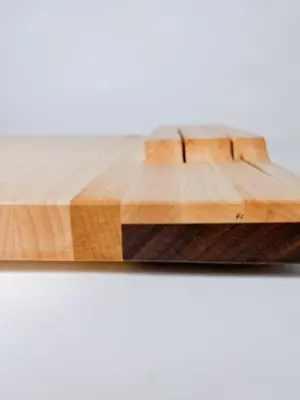
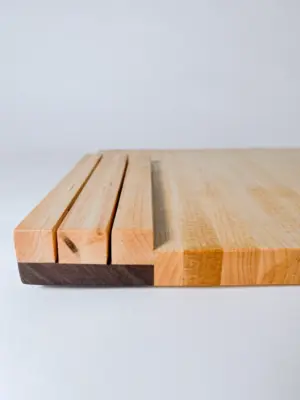
Edge Grain Cutting Boards
FREE Shipping

Wood Cutting Boards
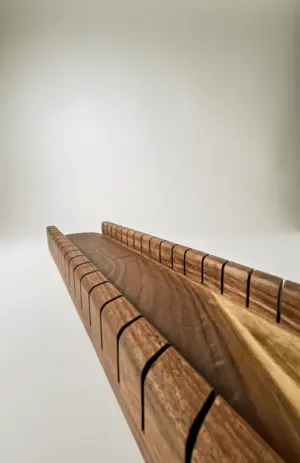
Walnut Wooden French Bread Slicer for Baguettes, 1 inch thick slices
FREE Shipping

FREE Shipping


Living Room
FREE Shipping