







10 Tools You Need For Basic Woodworking
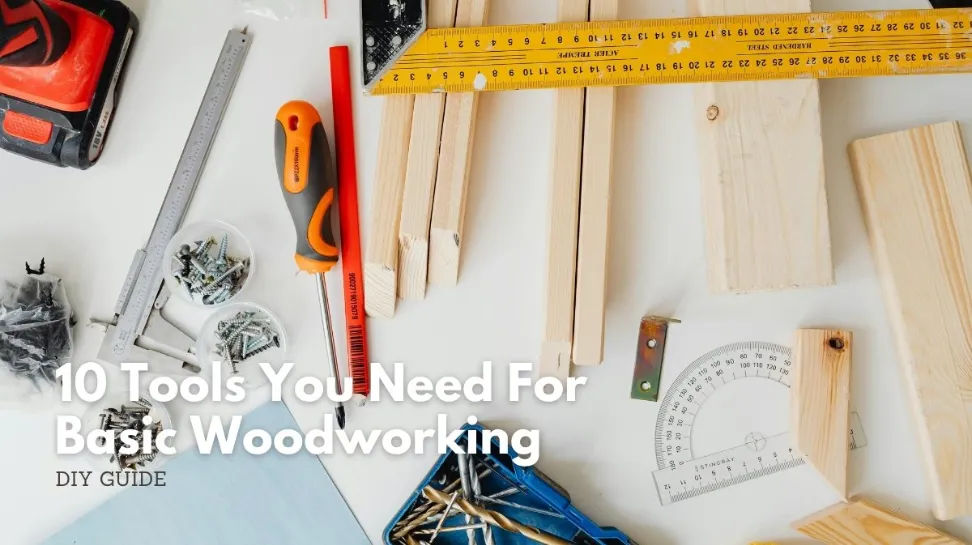
From the scent of freshly cut timber to the satisfaction of seeing a project come to life, woodworking is a journey many enthusiasts can’t get enough of. Whether you’re a DIY enthusiast, a hobbyist, or a professional woodworker, the thrill of transforming a simple plank into a work of art is unparalleled.
But, as a beginner, navigating the vast array of tools and techniques can be overwhelming. You stand in the hardware store, surrounded by rows of chisels, saws, and drills, wondering: “Where do I start? What tools do I need? Can I afford them?”
Fear not, dear woodworker! The journey to creating stunning wooden pieces begins with the right tools. And trust me, you don’t need a whole workshop full of gadgets to get started. With the essentials, you’ll be well on your way to crafting beautiful furniture, decorations, and more.
In this article, I’ll help you out of your misery and show you the top 10 tools you need for basic woodworking. So, take a deep breath, don your safety glasses, and let’s dive in!
Table of Contents
10 Tools You Need for Basic Woodworking
To make it easy to understand, there are three basic ways to group your tools: tools that mark, tools that measure, and tools that cut. There are others in between and they are covered in the list below.
Square
The first on the list is a tool for measuring. A square is a tool with two straight edges set at a right angle. A square is used to measure and ensure right angles on the project you are working on.
That way you don’t have joints or edges jutting out unattractively. It is also used to ensure the marking is accurate. The square has a side that is more like a ruler that you can use to take measurements.
Circular saw
The circular saw is a powerhouse in the woodworking world and a must-have for any beginner. This versatile tool is designed for making straight cuts in wood, and can even handle metal and other materials.
With 24 teeth around the blade, it’s perfect for cross-cuts and rip cuts, making it an excellent choice for cutting large pieces of wood quickly and efficiently.
The circular saw’s ability to make precise cuts, combined with its speed and power, make it an indispensable tool for basic woodworking. Whether you’re building a deck, a fence, or furniture, a circular saw is a reliable companion that will help you get the job done.
Tenon saw
While the circular saw excels at making rough cuts, the tenon saw is the go-to tool for fine, precise cuts.
With a TPI (teeth per inch) ranging from 10 to 14, this saw is designed for making accurate cuts, especially for joints. The smaller number of teeth may seem counterintuitive, but it allows for a neater finish and more control over the cut.
The tenon saw’s strong back provides stability and direction, making it easy to cut through both soft and hardwood. Its compact size and maneuverability also make it perfect for cutting in tight spaces or making precise adjustments. Whether you’re building a cabinet, a chair, or a table, the tenon saw is an essential tool for creating precise, professional-looking joints.
Jigsaw
When you’re ready to take your woodworking to the next level, a jigsaw is an essential tool to add to your arsenal. Unlike circular and tenon saws, which excel at straight cuts, a jigsaw is designed for making curved and complex cuts with ease. With fewer teeth for precision and a strong back for stability, a jigsaw is perfect for cutting out intricate shapes and designs.
When choosing a jigsaw, make sure to select one with a good set of blades, as this will determine its ability to cut through hardwood and other dense materials.
Screwdrivers
Having a comprehensive set of screwdrivers will be a big addition to your toolbox, and will ensure that you’re prepared for any project that comes your way.
Tape measure
Or measuring tape, if you like is another hand tool used for measuring. The tape measure measures in centimeters and inches. Tape measures have a case (that houses the blade), a hook (to keep the tape measure stable), a belt hook (so you can go around with it while working), and a thumb lock (so that you can keep the measurements). A tape measure is easy to use and will go a long way in your woodworking journey.
Sandpaper
Sandpaper may not be the first tool that comes to mind, but it’s a crucial one in woodworking. While its primary function is to smooth surfaces, sandpaper comes in various grades of grit, making it a versatile tool for different tasks.
For heavy sanding, a coarse sandpaper with a grit measurement of 60-80 is ideal. For removing small imperfections from surfaces, a medium sandpaper with a grit measurement of 120-150 is perfect. Finally, for smoothing surfaces to a high finish, a super fine sandpaper with a grit measurement of 220-240 is the way to go.
Understanding the different grit measurements and using the right sandpaper for the task at hand will help you achieve a professional-looking finish and make your woodworking projects stand out.
Bench hook
A bench hook is another very vital tool. When you have to cut a large piece of wood, it can be difficult to hold with one hand and cut with the other. With a bench hook, however, you can steady a piece of work that will leave your hand free to saw. The con about bench hooks is that while they can easily be constructed by the woodworker, with time they can get worn out and have to be replaced more often than other tools on this list.
Claw hammer
This list will not be complete without a hammer, and we have chosen every handyman’s favorite – the claw hammer. The outstanding feature of the claw hammer is that it can remove nails and hammer them in. Claw hammers are of different types and the best is the utility claw hammer because it is lighter and the extreme curve of the claws provides optimum leverage for pulling nails.
Clamps
Think of clamps as a stronger and more reliable version of bench hooks. They are essential tools in woodworking, providing the necessary pressure to hold your workpieces in place, ensuring accurate joins, and preventing movement during gluing and assembly.
With various types of clamps available, it’s important to have a range of them in your workshop, as you never know when you’ll need to hold a specific piece in place. G, C, and F clamps are staples in the woodworking world, but as a beginner, it’s best to focus on the basics.
Start with 45 and 90-degree joint clamps, which will help you tackle common projects like building cabinets, tables, and chairs. Having a selection of clamps will give you the flexibility to tackle a wide range of projects, and their versatility will make them a valuable addition to your toolkit.
Related: Read more on this article for discovering the beginner-friendly process of wood turning with a lathe in 10 simple steps.
Best Beginner Friendly Woodworking Tools
Conclusion
Throughout this article, we’ve explored the essential tools every woodworker needs to get started. From the circular saw and tenon saw, which enable precise cutting and joining, to the jigsaw and sandpaper, which allow for curved cuts and smooth finishes, we’ve covered the basics that will help you build a strong foundation in woodworking.
With these 10 tools in your arsenal, you’ll be well-equipped to tackle basic woodworking projects successfully. Remember, it doesn’t stop here. There are other tools you’d need moving forward so start with the ones listed and build your toolbox from there. Focus more on the durability and limitations of every tool than the aesthetic so you make a worthy investment.
I hope this article came in handy and helped address your concerns about basic woodworking tools. See you in the next one!
Related: Read more on this article for learning proven strategies to protect your woodworking tools from rust and extend their lifespan.
This article contains affiliate links #ad
Tools for Basic Woodworking Frequently Asked Questions
What is the minimum tool kit for a beginner woodworker?
Five tools cover most beginner projects: a tape measure and combination square for measuring, a circular saw or hand saw for cutting, a cordless drill/driver for fastening, sandpaper or a random-orbit sander for smoothing, and at least 4 clamps for glue-ups. Total budget around $150 to $300 for new gear. You can build a workbench, bookshelf, or simple table with this kit alone.
Do you need a table saw to start woodworking?
No. A circular saw with a guide rail or straightedge handles most cuts a beginner needs and costs a fraction of a table saw. Many woodworkers go years without one. Add a table saw when you start ripping lots of long boards or building cabinets, since it saves significant time on those tasks. Used table saws on Facebook Marketplace often cost half of new prices.
What’s the difference between a circular saw and a jigsaw?
A circular saw makes fast, straight cuts in dimensional lumber, plywood, and decking. A jigsaw cuts curves, scrolls, and intricate shapes in thinner stock. They’re complementary, not interchangeable. Most beginner shops have both. If you can only buy one, start with a circular saw since 80% of cuts in basic woodworking are straight.
How much should a beginner spend on woodworking tools?
Plan on $300 to $600 for a basic starter kit covering 90% of beginner projects. Brands like Ryobi, Skil, and DeWalt offer reliable performance in this range. Avoid the $30 to $50 budget tools at hardware stores, which break fast. Festool and Mafell pro-grade tools deliver lifetime quality but aren’t necessary until you’re doing serious work.
What safety gear do you need before using woodworking tools?
Three items minimum: ANSI Z87.1-rated safety glasses, hearing protection (28+ dB NRR for power tools), and an N95 dust mask. Add closed-toe shoes, fitted clothing without loose sleeves, and remove all jewelry. A face shield is needed for lathe and grinding work. Buying tools without safety gear is a false economy; ER visits cost far more than a $30 PPE kit.
Loved by our customers
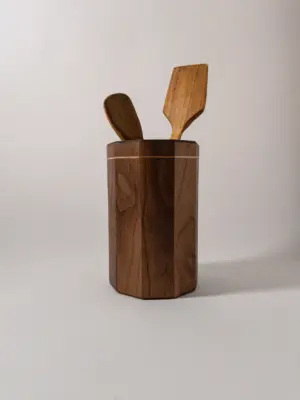

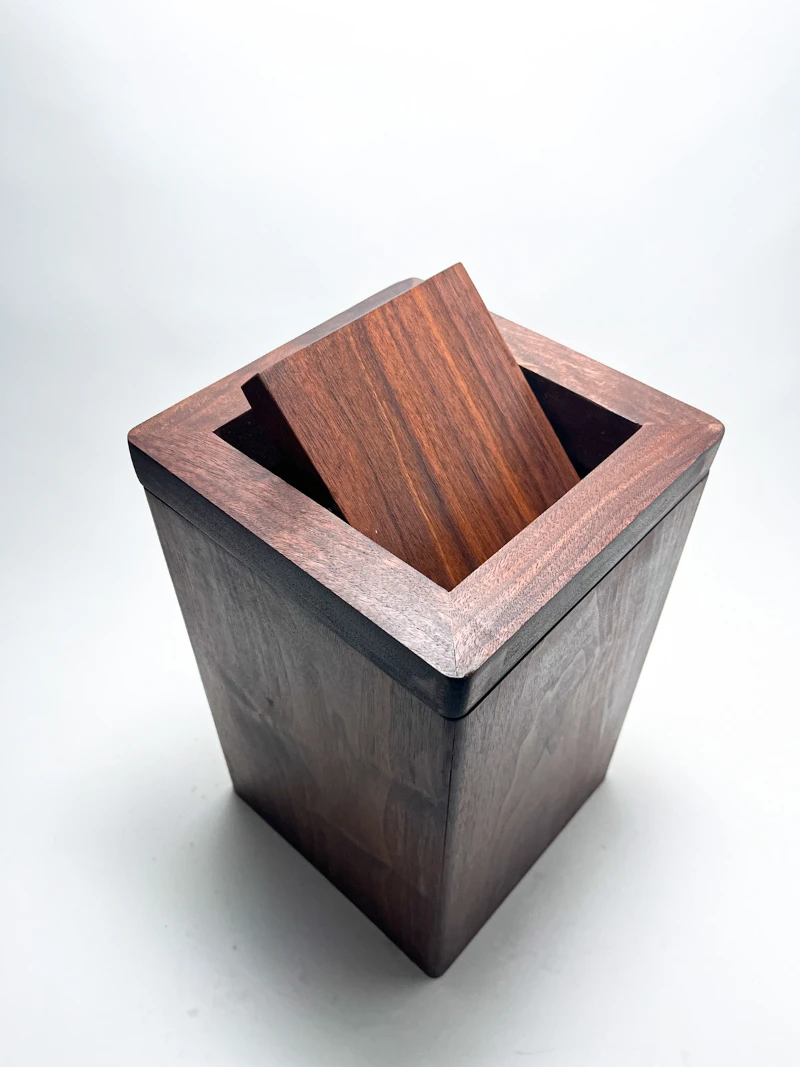
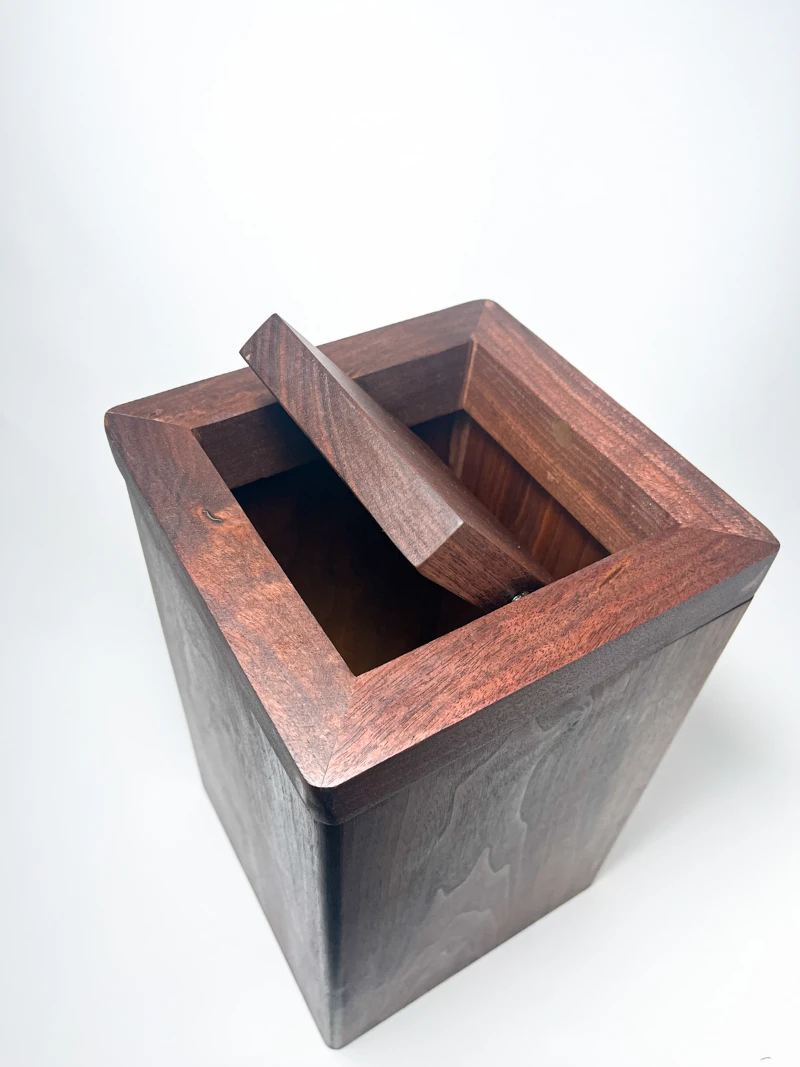
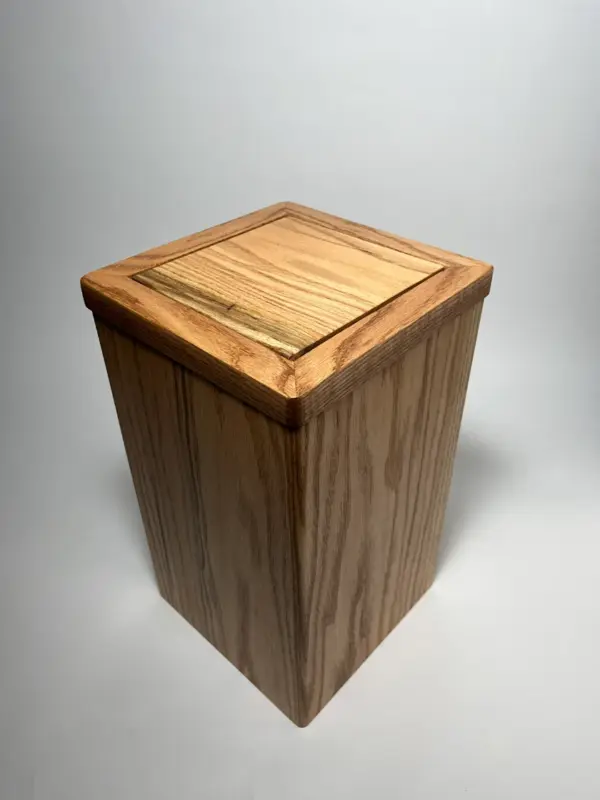
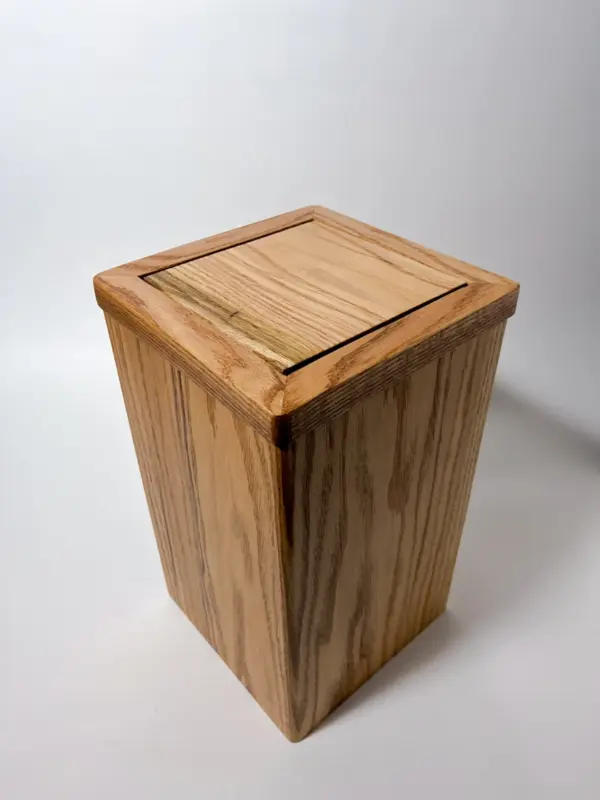
Wooden Utensil Holder
You Save: $10.00 (13%)
Original price was: $80.00.$70.00Current price is: $70.00. excl. tax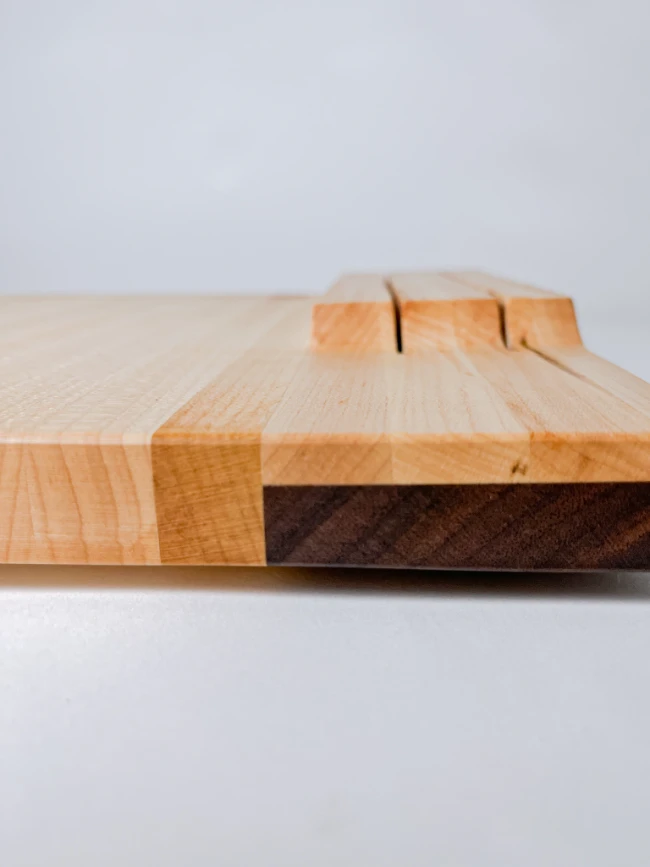
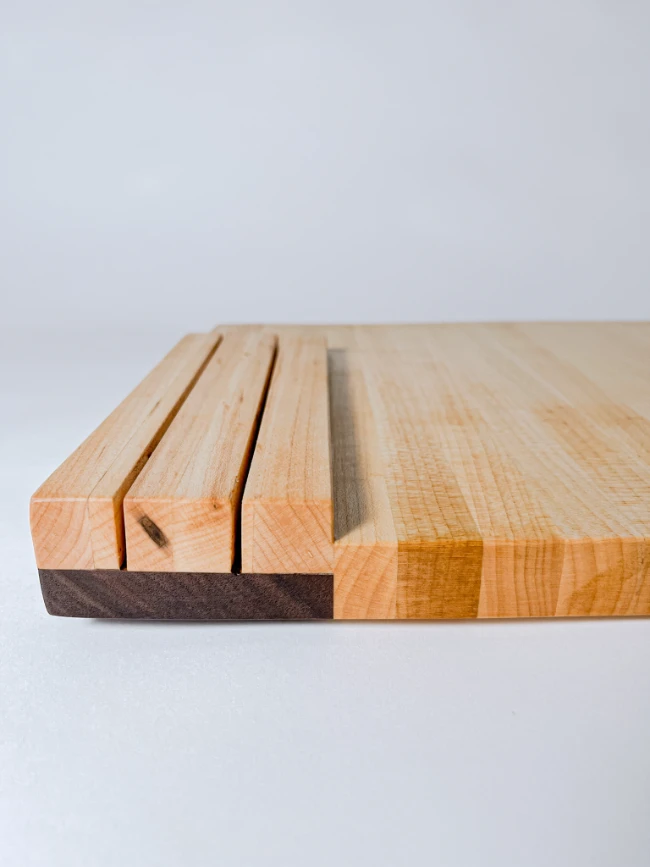
You Save: $15.00 – $30.00
Price range: $145.00 through $265.00 excl. tax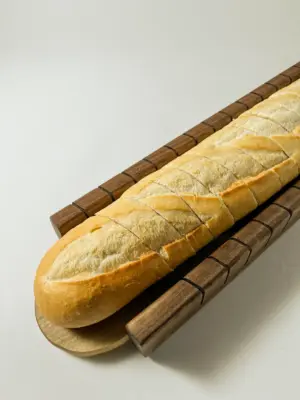
Wood Cutting Boards
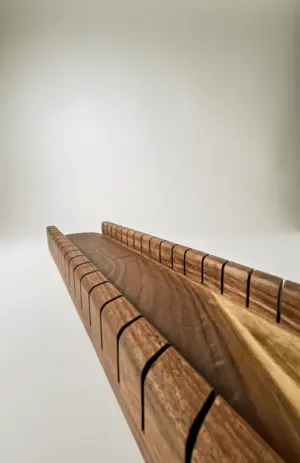
Walnut Wooden French Bread Slicer for Baguettes, 1 inch thick slices
Living Room
You Save: $15.00 (20%)
Original price was: $75.00.$60.00Current price is: $60.00. excl. tax