


The Right Way to Clean a Wooden Dining Table

Your wooden dining table takes a beating. Spilled juice at breakfast, greasy fingers at dinner, a red wine ring left by someone who just set it down for a second — it all adds up. The good news? With the right routine and a few simple products, you can keep that table looking like the day it arrived.
This guide covers everything from daily wipe-downs to removing stubborn stains and conditioning the wood so it stays strong for years. Whether you have a sealed polyurethane finish or a raw oiled surface, we have got you covered.
No harsh chemicals. No soaking water. No guesswork. Just practical steps that actually work, backed by what woodworkers and furniture pros have known for decades.
Quick tip: The single best thing you can do for a wooden dining table is clean up spills immediately. Wood is porous, and liquid left sitting even for 30 minutes can seep into the grain and leave marks that take real effort to remove.
Table of Contents
Your Daily and Weekly Cleaning Routine
Consistency is the best weapon in your table maintenance arsenal. A simple routine keeps grime from building up and gives your wood finish a fighting chance over the long haul.
Daily: After every meal, wipe the table down with a soft, slightly damp cloth. Slightly is the operative word — you are not mopping floors, you are removing crumbs and surface residue. Follow up immediately with a dry cloth to wick away any moisture.
Weekly: Use a gentle, diluted dish soap solution — a few drops in a bowl of warm water — and wipe in the direction of the grain. Rinse the cloth, wring it well, and do a second pass. Dry thoroughly. This removes grease that your dry cloth misses.
Avoid paper towels when possible. They are abrasive at the micro level and can dull a polished finish over time. A soft microfiber cloth or a well-worn cotton rag does a far gentler job. For a deeper look at everyday maintenance habits that extend table life, this guide on maintaining your wooden dining table is worth bookmarking.
How to Remove Common Stains
Different stains need different approaches. The biggest mistake people make is grabbing the nearest bottle and scrubbing, usually making things worse. Here is what actually works for the most common culprits at a dining table.
Food and grease stains: Fresh grease responds well to a diluted dish soap wipe. For set-in grease, apply a small amount of food-safe wood cleaner under $15 to a cloth and rub gently with the grain. Never scrub against the grain — you will scratch the finish and raise the wood fibers.
Wine and beverage rings: Act fast. Blot immediately with a dry cloth — do not rub. If a ring has already set, try a paste of equal parts baking soda and non-gel toothpaste. Apply gently, leave for 60 seconds, then wipe off and buff. For stubborn rings on an oiled surface, a light sand with 220-grit followed by re-oiling can bring things back.
Sticky residue: Candle wax, gum, or tape residue lifts well with a plastic scraper (never metal) followed by a small amount of mineral spirits on a cloth. Buff with a clean cloth afterward. The USDA Forest Products Laboratory notes that mineral spirits are among the safest solvents for finished wood surfaces when used sparingly.
Heat marks: White heat rings on a lacquered surface sometimes respond to rubbing with a bit of petroleum jelly left overnight, then wiped off. This does not work every time, but it is worth trying before sanding. On oiled tables, heat marks often need a spot re-sand and re-oil.
Stain rule of thumb: Always test any cleaning solution on an inconspicuous area first — under the table edge or a hidden corner. Wood finishes vary widely, and what works on polyurethane may cloud an oil finish.
The same gentle approach applies to wooden end tables and coffee tables around the house. Check out our full walkthrough on how to clean wooden end tables without damaging the finish for surface-specific tips.
What NOT to Use on a Wooden Table
This section might be more important than everything above it. The fastest way to ruin a wooden dining table is to reach for the wrong cleaner. Here is what to keep far away from your wood.
Bleach and ammonia-based cleaners: These strip finish, dry out wood fibers, and cause irreversible discoloration. Even diluted bleach breaks down the lignin in wood over time. The same goes for multi-surface sprays that contain ammonia — they might be fine on tile and glass, but they are hostile to wood.
Soaking water: Water is wood’s nemesis. Wet cloths, water pooling in crevices, or steam from a cleaning appliance all cause swelling, warping, and finish damage. The goal is barely damp — not wet.
Vinegar: Surprising but true. Vinegar’s acidity can dull certain finishes and over time strip protective coatings. If you have been using it regularly and wondering why your table looks flat, that is likely the culprit. For a full breakdown, see our detailed look at whether vinegar is safe to use on wood — the answer depends heavily on your finish type.
Silicone-based polishes: Products like some spray furniture polishes leave a silicone buildup that prevents future refinishing or oiling from penetrating the wood. If you ever need to refinish, that silicone becomes a nightmare to remove. Stick with natural wax or oil-based products instead. You can compare your options in depth with our guide on polish, oil, or wax for wood finishing.
Steel wool or abrasive scrubbers: Even fine steel wool can scratch through a finish layer and leave metal particles embedded in the grain that rust over time. Use soft cloths only.
Conditioning the Wood with Mineral Oil
If your dining table has an oiled or raw wood finish rather than a film finish like polyurethane, conditioning with mineral oil is one of the best things you can do for it. Oil replenishes moisture lost through normal use and environmental changes, keeping the wood from drying, cracking, or developing a grayish, dull appearance.
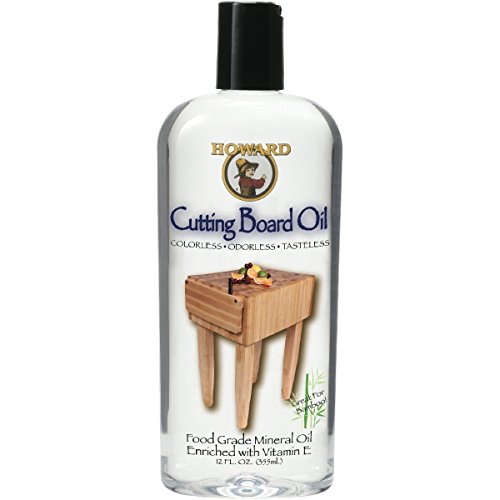
Use food-grade mineral oil — the same stuff used on cutting boards. It is non-toxic, odorless, and will not go rancid the way vegetable or olive oils do. The FDA classifies food-grade mineral oil as Generally Recognized as Safe (GRAS), making it ideal for tables where food contact happens regularly.
Apply oil with a soft cloth, working it into the grain in long, even strokes. Let it soak in for 20-30 minutes, then wipe off any excess. The wood should look enriched, not greasy. For heavily dried-out tables, you may need two or three applications spaced a day apart before the wood stops absorbing oil quickly. The same technique works beautifully on wooden cutting boards — see our guide on how to sanitize a wooden cutting board for the full routine.
Not sure whether your table has a film finish or an oil finish? Put a drop of water on an inconspicuous spot. If it beads up, you have a sealed finish and oil conditioning is not necessary. If it soaks in, the wood needs oil.
Avoid these oils: Linseed, tung, coconut, and olive oil are not good choices for dining tables. Some go rancid, some cure too slowly and stay tacky, and some darken the wood unpredictably. Food-grade mineral oil is the standard recommendation from woodworkers for good reason.
Our Top Picks for Food-Grade Mineral Oil
Grab a quality food-grade mineral oil and you will use it on your table, cutting boards, and butcher block for years. These three options are highly rated, affordable, and trusted by home woodworkers.


Protecting the Finish Long-Term
Cleaning is reactive. Protection is proactive. Here is how to keep your table looking sharp between deep cleans and refinishing jobs.
Use placemats and coasters — always. It sounds obvious, but it is the highest-ROI habit you can build. Placemats protect against heat, moisture, and scratches from plates and utensils. Coasters eliminate rings before they start. NSF International, which sets standards for food-safe equipment and surfaces, consistently highlights moisture barriers as a primary protection strategy for wood surfaces used near food.
Apply a quality furniture wax or polish periodically. A paste wax applied every few months adds a sacrificial layer over the finish that takes scratches and moisture before they reach the wood itself. Choose a wood furniture polish under $10 that is silicone-free and formulated for finished wood. Buff with a clean cloth to a gentle sheen.
Control humidity in your home. Wood expands and contracts with changes in humidity. Extremes in either direction — too dry in winter from central heat, too humid in summer — cause finish cracking and joint movement over time. A consistent indoor humidity of 35-55% is ideal for wood furniture.
Keep it out of direct sunlight. UV rays bleach and dry out wood finishes. If your dining area gets strong afternoon sun, use window treatments during peak hours or apply a UV-protective topcoat when refinishing. Understanding how different finishes hold up to daily life is key — our deep dive into how to finish wood like a pro covers what each finish type can handle.
When to Re-Oil or Refinish Your Table
Even with perfect maintenance, wood surfaces eventually need more than a wipe-down. Knowing when to intervene early saves you from a full refinish job later.
Signs it is time to re-oil (oil finish tables): The wood looks gray or chalky, it absorbs water quickly instead of repelling it, or the surface feels dry and rough to the touch. Re-oiling is a simple job that takes about an hour and makes the table look years younger.
Signs it is time to refinish (film finish tables): White hazing across the surface, visible scratches that catch light at an angle, finish peeling at table edges, or water absorption through areas where the finish has worn away. At this point, you will need to strip and reapply the topcoat. Our step-by-step guide on removing wood finish walks you through that process safely.
For oil-finish tables, a good rule of thumb is re-oiling once every 6-12 months depending on how heavily the table is used. Dining tables with daily use generally need it closer to every 6 months. A high-traffic maple surface may even benefit from quarterly conditioning. See our guide on caring for a maple wood cutting board for the detailed oil routine that applies equally well to maple tabletops.
If you are not sure what finish your table has, take a photo and bring it to a local woodworking shop. They can usually identify it in seconds and point you to the right product.
Before you refinish: Check whether the table is solid wood or veneer. Veneers can only be sanded so many times before you cut through to the substrate underneath. If your table is veneered, consult a professional before any aggressive sanding or stripping.
Your Table Deserves Better
A wooden dining table is one of the most used pieces of furniture in any home. It hosts birthday dinners, homework sessions, Sunday breakfasts, and late-night conversations. It deserves a little more than a cursory wipe with whatever paper towel is handy.
The routine is simple: wipe daily, clean weekly with mild soap and water, treat stains promptly, oil or wax periodically, and watch for signs that the finish needs attention. Avoid the usual suspects — bleach, vinegar, soaking water, and silicone sprays — and your table will reward you with decades of good looks and solid service.
Wooden furniture cared for properly does not just last — it ages beautifully. The character and patina that develops over years of use is something no new table off a showroom floor can replicate. That is the whole point of buying solid wood in the first place.
This article contains affiliate links #ad
What is the best thing to clean a wooden dining table with?
The best everyday cleaner for a wooden dining table is a soft cloth dampened with a diluted mild dish soap solution. Use just a few drops of soap in warm water, wipe in the direction of the grain, and follow immediately with a dry cloth. Avoid commercial sprays unless they are specifically formulated for wood.
Can I use vinegar to clean my wooden table?
Vinegar is generally not recommended for wooden dining tables. Its acidity can dull and degrade certain finishes over time, particularly lacquer and shellac. On a sealed polyurethane surface, diluted vinegar may be safe occasionally, but regular use accelerates finish wear. For a detailed breakdown by finish type, see our guide on whether vinegar is safe to use on wood.
How do I remove water rings from a wooden table?
For fresh water rings, place a clean dry cloth over the ring and run a warm (not hot) iron over it for a few seconds at a time, checking frequently. The heat draws moisture out of the finish. For older rings, try a small amount of petroleum jelly or mayonnaise rubbed into the mark, left overnight, and wiped off the next morning. Both methods work best on lacquer or polyurethane finishes.
How often should I oil my wooden dining table?
For tables with an oil finish, re-oiling every 6-12 months is a good general guideline. High-use tables may benefit from conditioning every 6 months; lighter-use tables may only need it annually. The best indicator is the wood itself: if it looks dull or dry, or water soaks in quickly rather than beading, it is time to apply food-grade mineral oil.
Is it safe to use food-grade mineral oil on a dining table?
Yes. Food-grade mineral oil is one of the safest and most recommended conditioning products for wood surfaces. The FDA classifies it as Generally Recognized as Safe (GRAS). It is colorless, odorless, non-toxic, and does not go rancid the way cooking oils do. It is ideal for dining tables precisely because food contact happens there regularly.
Loved by our customers
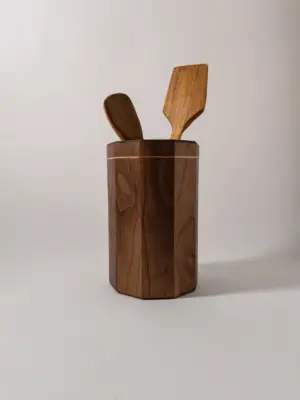

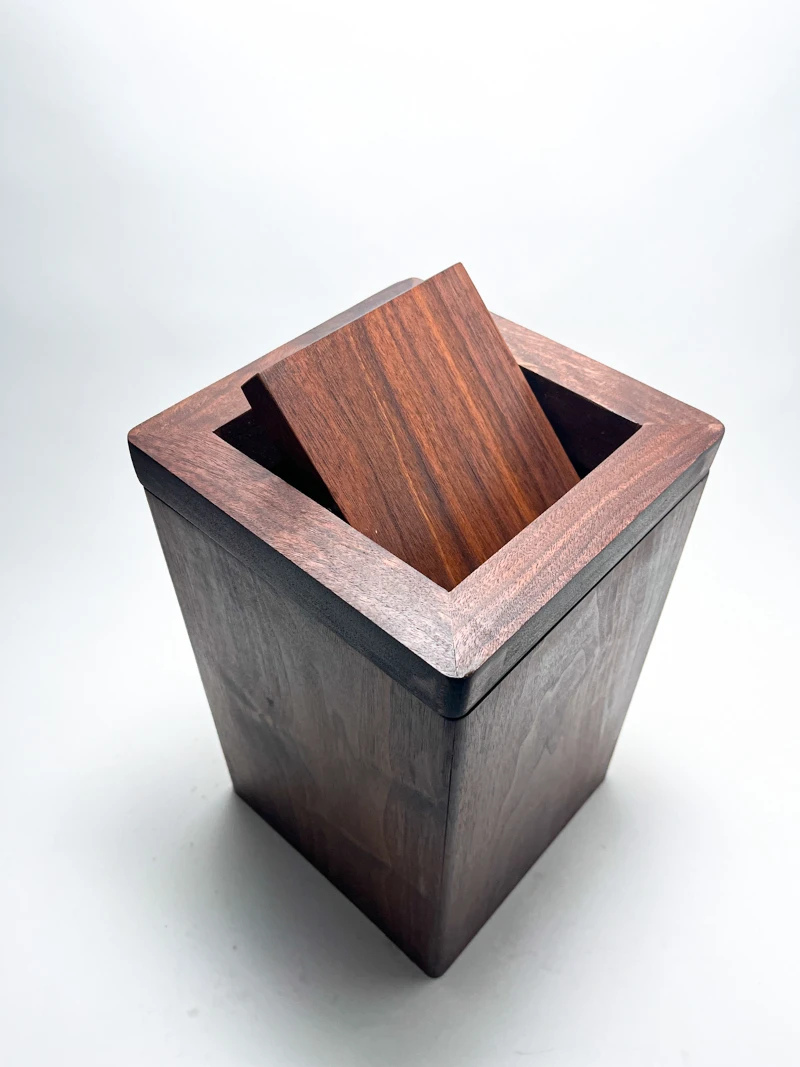
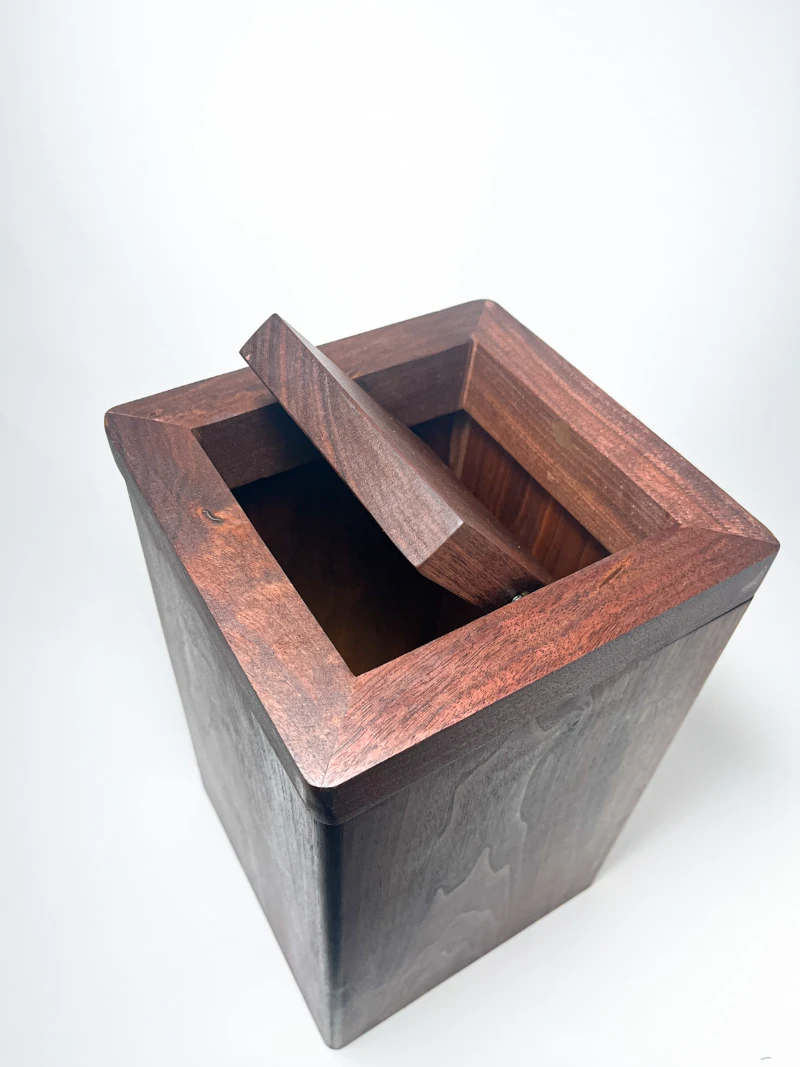
Wooden Utensil Holder
You Save: $10.00 (13%)
Original price was: $80.00.$70.00Current price is: $70.00. excl. tax
You Save: $15.00 – $30.00
Price range: $145.00 through $265.00 excl. tax
Wood Cutting Boards
Walnut Wooden French Bread Slicer for Baguettes, 1 inch thick slices
Living Room
You Save: $15.00 (20%)
Original price was: $75.00.$60.00Current price is: $60.00. excl. tax