







How to care for a maple wood cutting board
Cutting boards are an essential tool in the kitchen, as they help maintain a cordial relationship between functionality and the role they play in the kitchen. Cleaning and maintaining a maple wood cutting board entails sanitizing the wood and protecting it from moisture to prevent warping and cracking.
Table of Contents
How to Care for a Maple Wood Cutting Board
One of the key ways to care for your maple wood cutting board is to keep it oiled regularly. Maple needs oil from time to time because it is lighter in color, more porous, and generally softer than some other hardwoods.
Step-by-Step Care for Maintaining a Maple Wood Cutting Board
Wash Immediately
Whenever you use the maple wood cutting board, rinse it immediately and wash it off. Maple has a light color and can easily get stained when substances are left to linger on its surface.
Warm Water and Mild Washing-Up Liquid
Use warm water and a mild washing-up liquid soap to wash the cutting board after use. A soft sponge works best for this. Avoid scouring pads, as they can damage the surface.
Scrub Along the Grain
Scrubbing the maple wood cutting board along the grain pattern is essential so you do not damage the surface by making it fuzzy or rough.
Dry Time
When you have finished washing, dry the entire board with a tea towel and allow it to air for at least 30 seconds on each side.
Stand the Board
When done cleaning, stand the board on its edge on both faces for about an hour so that it can dry thoroughly. This allows air to circulate around the board.
Salt Scrub
Sprinkle one or two teaspoons of coarse salt on the board and use half a lemon to rub the salt all over the surface.
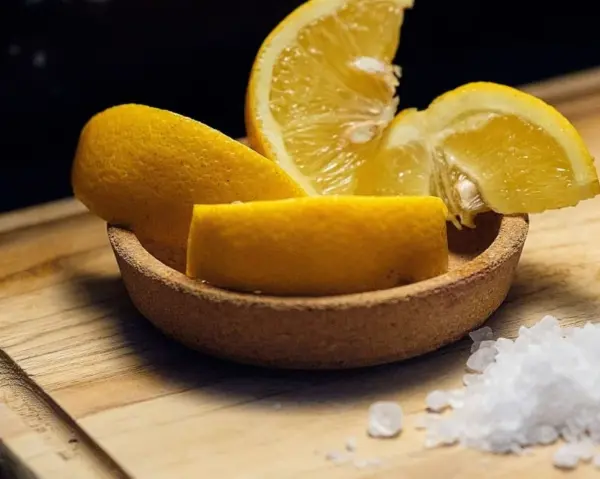
Salt is a gentle, natural abrasive. When used, it lifts stuck-on debris and surface stains from the board.
Vinegar Wipe
A vinegar wipe is best for cleaning after contact with raw meat. Use a cloth lightly dampened with white vinegar, then rinse and dry. Do not do this more than once a week, as overdoing it can dry out the surface of the board.
Best Maple Wood Cutting Boards for Professional Chefs and Wannabe Chefs
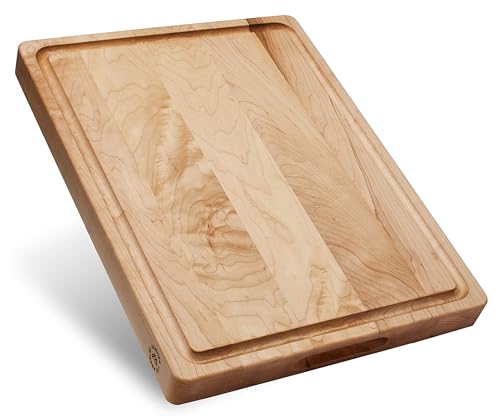

Riveira Walnut/Cherry/Maple Wood Cutting Board Set - Versatile And Durable:…
$79.99
Only 5 left in stock - order soon.
Buy on Amazon
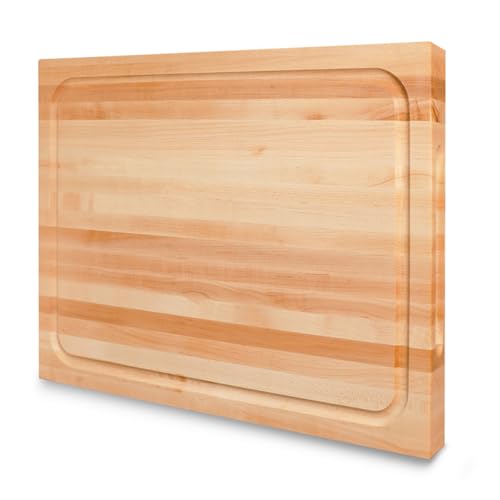

How to Oil a Maple Wood Cutting Board
Oiling your maple cutting board is one of the most important steps in its care routine. It keeps the wood nourished, prevents drying and cracking, and extends the board’s lifespan, which is an important step in caring for a maple cutting board.
Choose the Right Oil
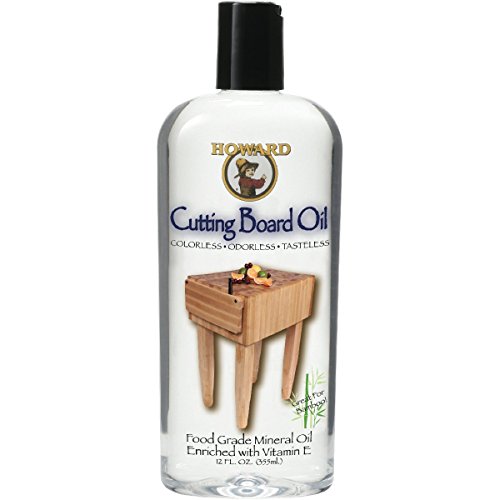
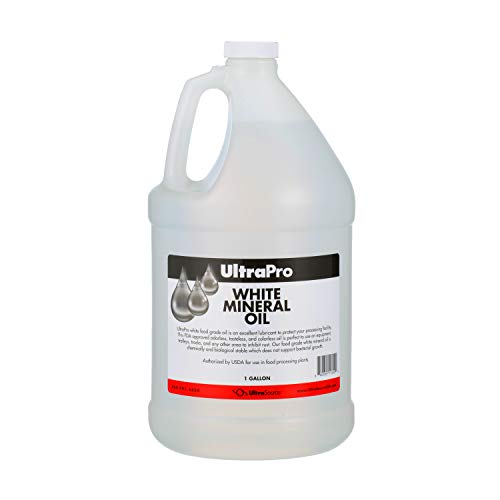
Always use food-safe oils. Mineral oil is the most recommended option. You can also use beeswax-based board cream. Avoid vegetable, olive, or coconut oils, as they go rancid over time and can transfer unpleasant smells and flavors to your food.
This is one of the most overlooked mistakes in cutting board care, and it can quietly ruin a board over months without the owner realizing what went wrong. Cooking oils turn rancid when exposed to air and will damage the natural elements of your cutting board over time. For a full list of oils you should never use on a wood cutting board, Hardwood Lumber Company’s guide covers each one clearly.
Food Grade Mineral Oil for Cutting Boards and Butcher Blocks



Apply Generously
Pour a generous amount of mineral oil onto the board. Use a clean cloth or paper towel to rub the oil into the wood in the direction of the grain, covering every surface, including the sides and bottom.
Let It Soak
Allow the oil to soak into the board for at least a few hours, or ideally overnight. This gives the wood enough time to absorb the oil properly.
Wipe Off the Excess
After the oil has soaked in, wipe off any excess with a clean, dry cloth. The board should feel smooth and conditioned, not greasy.
How Often to Oil
A new board should be oiled several times in the first few weeks. After that, oiling once a month is generally sufficient. If the board begins to look dry or lighter in color than usual, that is a sign it needs oiling sooner.
How to Remove Stains from a Maple Wood Cutting Board
Staining is one of the most common challenges with maple cutting boards, and it is almost inevitable. The light color that makes maple so visually appealing is the same reason stains from berries, beets, turmeric, and other pigmented foods tend to show up clearly. The good news is that most stains can be lifted with the right approach in our article on how to care for a maple wood cutting board.
Baking Soda Paste
Mix baking soda with a small amount of water to form a paste. Apply it to the stained area and scrub gently along the grain using a soft brush or sponge.
Let it sit for a few minutes before rinsing thoroughly and drying. Baking soda is mildly abrasive and helps lift surface discoloration without stripping the wood.
Lemon and Salt Scrub
Sprinkle coarse salt over the stained area and use half a lemon to scrub in circular motions.
The acidity of the lemon works alongside the salt to break down the stain. Rinse well and dry immediately after.
Hydrogen Peroxide (For Stubborn Stains)
For deeper or older stains, apply a small amount of three percent hydrogen peroxide to the affected area using a cloth. Let it sit for a few minutes, then rinse and dry. Do not use this method too frequently, as it can lighten the wood over time if overused.
Related: Beyond taking care of your Maple wood cutting board, learn how to sanitize a wooden cutting board. The article will help you to properly clean your board well.
Sand It Down (Last Resort)
If stains have soaked too deep to be lifted by surface treatments, light sanding with fine-grit sandpaper can restore the board. Sand in the direction of the grain, then clean off the dust, and re-oil the board thoroughly before use.
The key is to act quickly. The sooner you treat a stain, the better your chances of removing it completely. Do not let pigmented liquids sit on the board for long.
Best Sandpaper Grits for Resurfacing and Restoring Wooden Cutting Boards


Pros and Cons of Maple Cutting Boards
It is essential to know the pros and cons of the maple cutting board. This will help you understand the reason behind certain steps taken to ensure its maintenance when it comes to learning how to care for a maple wood cutting board.
Pros
Durability
Maple wood is known for its durability and hardness. This feature makes it resistant to scratches, dents, and general wear and tear. The grain also provides a stable surface that does not wear off when properly cared for.
Knife Friendly
Due to the hardness of maple wood, cutting boards often resist the cut of knives on contact, yet remain soft enough to prevent excessive wear on knife blades, making it well-balanced.
Hygiene
Maple wood has natural antibacterial properties. This makes it highly sought after due to its hygienic nature. Maple has a tight grain structure that prevents moisture and bacteria from penetrating the cutting board, making it very safe for food and reducing the risk of contamination.
Appearance
A maple wood cutting board has a light color and a subtle grain pattern, making it aesthetically appealing. It brings a pleasant ambiance to the kitchen among many other kitchen elements.
Cost
Compared to other high-end woods, maple cutting boards are relatively affordable. With their high durability, they are considered low cost while offering high quality.
Cons
Stain
The light colour of a maple cutting board is a double-edged feature even when it adds beauty to the board. Over time, stains from food, especially highly pigmented substances, can become noticeable on the board and alter its pristine color.
Maintenance
To care for a maple cutting board, you have to get accustomed to regularly oiling the board. This keeps it from cracking, drying out, or splitting. This can be a lot of work for those looking for a low-maintenance option. Sanitizing the board after every use is also part of the commitment.
Weight
Maple cutting boards can be quite heavy, especially when they come in large sizes. This can make them difficult to move around the kitchen, especially for older users.
Moisture
Maple is considered highly resistant to moisture because of its dense grain pattern. However, prolonged exposure to water can cause warping and mold. If mold does appear, our guide on how to get rid of mold on a wooden cutting board covers exactly what to do. This means the cutting board must be thoroughly cleaned and dried after every wash.
| Category | Aspect | Details |
|---|---|---|
| Pros | Durability | Maple wood is known for its durability and hardness, making it resistant to scratches, dents, and general wear and tear. The grain provides a stable surface that doesn’t wear off when properly cared for. |
| Knife Friendly | The hardness of maple resists knife cuts on contact, yet remains soft enough to prevent excessive wear on blades | |
| Hygiene | Maple has natural antibacterial properties and a tight grain structure that prevents moisture and bacteria from penetrating the board, making it safe for food and reducing contamination risk. | |
| Appearance | Its light color and subtle grain pattern are aesthetically appealing, adding a pleasant ambiance to the kitchen. | |
| Cost | Relatively affordable compared to other high-end woods, offering high durability and quality at a lower cost. | |
| Cons | Stains | The light color, while attractive, means stains from food especially highly pigmented substances can become noticeable over time. |
| Maintenance | Requires regular oiling to prevent cracking, drying, or splitting, plus sanitizing after every use | |
| Weight | Can be quite heavy, especially in larger sizes, making it harder to move around, particularly for older users. | |
| Moisture | Though resistant to moisture due to its dense grain, prolonged water exposure can cause warping and mold, so it must be cleaned and dried thoroughly after each wash. |
Final Thoughts
A maple wood cutting board is a kitchen tool that requires a level of commitment to maintain. The moment you bring one into your kitchen, you are signing up for something the oiling, the drying, the careful washing. These are what you have to do to make sure it is durable, hygienic, and able to retain the beauty it adds to your kitchen. It can be very hard to keep the maintenance standard, like soaking it without washing it on time, forgetting to oil it regularly.
These things are minor, but they can accumulate to cause damage to you. cutting board. But maintenance is not punishment. It is simply care. And when you get into the rhythm of it, caring for your maple cutting board becomes less of a chore and more of a habit that quietly protects your investment. So dry it well. Oil it often. Treat it right. It will serve you for a long time.
Related: Getting the best cutting board can sometimes prove to be a big deal, this is why you should read our guide on choosing the best cutting board for you.
Frequently Asked Questions on How to Care for a Maple Wood Cutting Board
How often should I oil my maple wood cutting board?
A new maple wood cutting board should be oiled several times in the first few weeks to properly season it. After that, oiling once a month is generally sufficient for regular use. A good sign that your board needs oiling sooner is when it begins to look dry or lighter in colour than usual.
What is the best oil to use on a maple wood cutting board?
The best oil to use on a maple wood cutting board is food-grade mineral oil. It is affordable, widely available, and does not go rancid over time. You can also use a beeswax-based board cream for added surface protection. Always avoid vegetable, olive, or coconut oils, as these turn rancid and can transfer unpleasant smells to your food.
Can I put my maple wood cutting board in the dishwasher?
No, you should never put a maple wood cutting board in the dishwasher. The intense heat and prolonged exposure to water will cause the wood to warp, crack, and split over time. Always hand wash with warm water and a mild washing-up liquid, then dry immediately and stand the board upright to allow proper air circulation.
Maple boards and wooden grinders share the same enemies: moisture, soap, and neglect. If you have a pepper mill or salt grinder on the same counter, our complete guide on how to clean a wooden grinder covers the dry-cleaning and mineral oil conditioning approach that keeps both tools in great shape.
Keeping your maple board clean is just as important as oiling it. For a step-by-step breakdown of daily washing, deep cleaning, and sanitizing methods, see our complete guide on how to clean a wooden cutting board.
This article contains affiliate links #ad
Loved by our customers
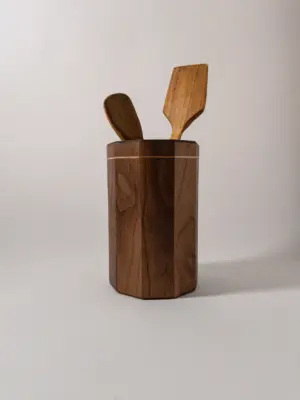

Wooden Utensil Holder
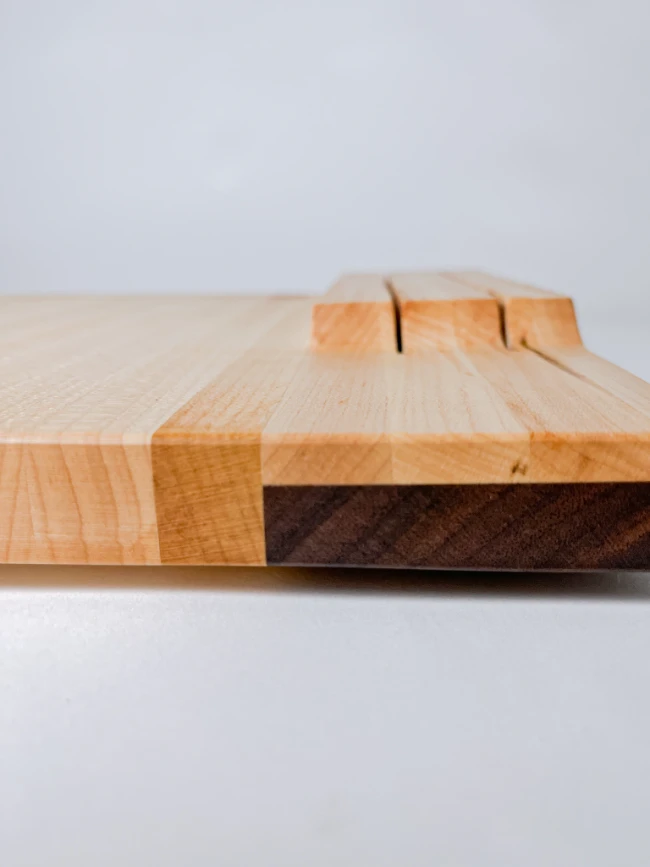
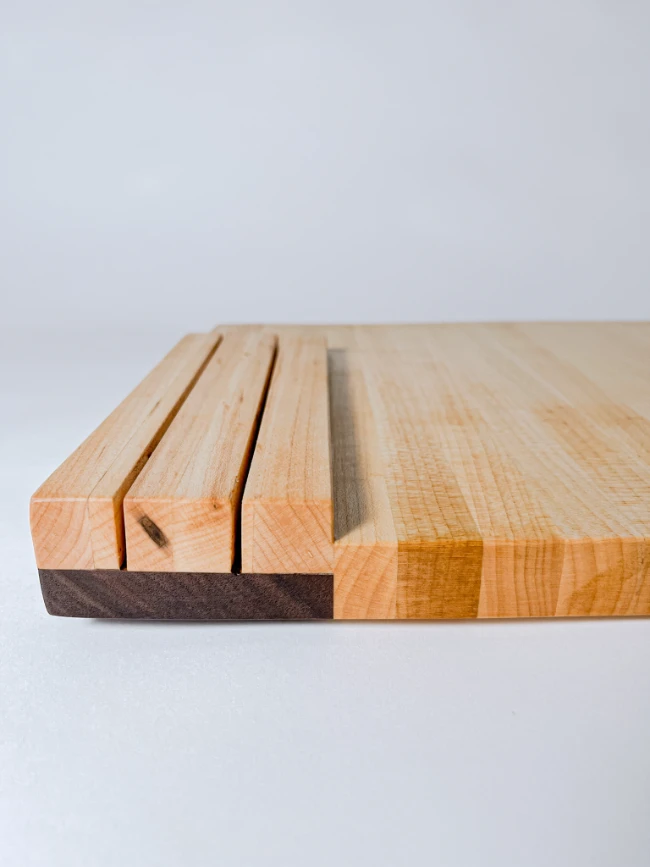
Wood Cutting Boards
Walnut Wooden French Bread Slicer for Baguettes, 1 inch thick slices
Living Room