






8 Best Wood For Cutting Boards
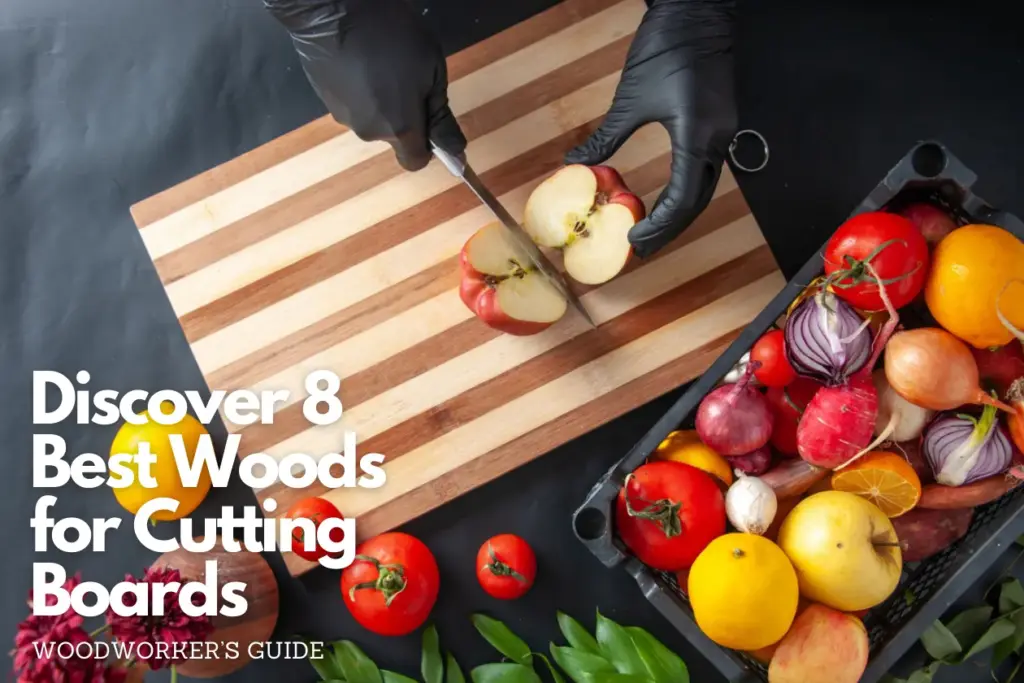
Choosing the best wood for cutting boards can make a huge difference in your cooking experience. A high-quality cutting board is more than just a kitchen tool, it protects your knives, resists bacteria, and adds a natural, stylish touch to your kitchen. With so many wood options available, knowing which one to pick can feel overwhelming.
In this guide, we’ll break down the top 8 best wood for cutting boards, highlighting their durability, maintenance, and unique benefits. Whether you’re a professional chef or a home cook, this list will help you select the perfect wooden cutting board that will last for years.
Table of Contents
What Makes a Wood Good for a Cutting Board?
Not every wood belongs in a kitchen. The best wood cutting boards share four traits: medium hardness, tight closed-grain pores, food-safe chemistry, and natural resistance to moisture. Hardness is measured by the Janka scale; cutting boards work best between roughly 1,000 and 1,500 lbf. Anything softer scars under a knife, anything harder dulls your blade and tires your wrist. The USDA Forest Products Laboratory Wood Handbook is the reference most woodworkers rely on for these numbers.
Closed-grain woods like maple and beech have small, tight pores that trap fewer food particles and make the surface easier to sanitize. Open-grain woods like oak collect debris in their wider pores and need more careful upkeep. There’s also a hygiene angle people miss: a famous USDA-cited study by Dean Cliver at UC Davis found wood is naturally antibacterial. Bacteria left on a wood surface die off faster than on plastic, mostly because the wood draws moisture away from them. Wood holds its own in the food-safety fight, period.
Maple (Hard Maple) Cutting Boards
Maple is widely considered one of the best woods for cutting boards due to its hardness, durability, and fine grain.
It resists bacteria and won’t dull your knives quickly. Maple boards are also less likely to splinter and are easy to maintain with regular oiling.
Walnut Cutting Boards
Walnut is a premium option for those who want elegance and durability. It’s slightly softer than maple, which means it’s easier on knives.
Walnut cutting boards also have a rich, dark finish that makes them visually appealing.
Cherry Cutting Boards
Cherry wood offers a balance of durability and beauty. It’s moderately hard, resistant to bacteria, and develops a deep reddish-brown color over time.
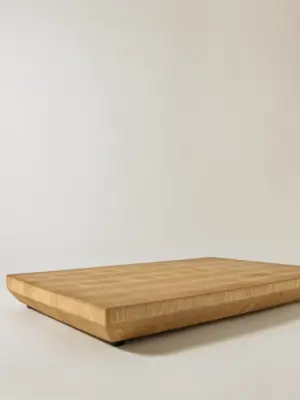
Bamboo Cutting Boards
Although technically a grass, bamboo is an eco-friendly choice that’s harder than most woods. It’s affordable, lightweight, and sustainable, making it a favorite among environmentally conscious buyers.
Acacia Cutting Boards
Acacia is durable and eco-friendly. It’s harder than maple, making it highly resistant to scratches. Plus, it has a stunning natural appearance.
Teak Cutting Boards
Teak contains natural oils that make it resistant to water damage.
It’s durable and requires less maintenance than many other woods, although it can be more expensive.
Related: Can’t decide between two of the top contenders? Dive into The Great Debate: Acacia Wood vs. Teak Wood For Cutting Boards and let the head-to-head comparison decide for you.
Beech Cutting Boards
Beech is affordable and reliable. With a fine grain, it resists moisture and bacteria when properly maintained. It’s a great budget-friendly option.
Oak Cutting Boards
Oak is strong and long-lasting, though its open grain requires careful maintenance to avoid absorbing moisture and odors.
Choosing the best wood for cutting boards comes down to balancing durability, maintenance, and aesthetics. From classic maple to eco-friendly bamboo, each option has unique strengths. Want to explore more kitchen tips? Check out our guides on best knife sets and how to maintain wooden utensils.
Related: Read more on this article for exploring the unique advantages of end grain cutting board construction and why you might consider them.
Oak is the trickiest wood on this list. Red oak especially has wide, open grain that wicks moisture and traps food particles, which is why most cutting board makers skip it entirely. White oak is a different story: its tyloses (cellular plugs in the pores) make it watertight enough that coopers use it for whiskey barrels. If you choose oak, choose white oak only, and oil it religiously. Janka comes in around 1,350 lbf for white oak. It’s not the easy-care choice, but a well-maintained white oak board lasts a generation.
- Pros: Hard, dimensionally stable, distinctive grain, white oak’s tyloses repel water.
- Cons: Red oak absorbs moisture and bacteria, demands disciplined oiling, polarizing look.
- Best for: Experienced board owners, white oak only, dry-prep tasks.
Cutting Board Care Basics That Triple a Board’s Life
Picking the right wood is half the battle. The other half is care. Three habits will keep any wood cutting board flat, sanitary, and looking new for a decade or more. First, hand-wash only with warm soapy water, never the dishwasher. Heat and prolonged moisture warp the wood and split the seams. Second, oil the board monthly with food-grade mineral oil or a beeswax-mineral oil paste. Dry wood absorbs water and bacteria, oiled wood repels both.
Third, sanitize smart. A spritz of white vinegar or a paste of coarse salt with half a lemon handles routine cleanup. For meat and poultry, follow the FDA’s recommendation: use a separate board, then sanitize with a diluted bleach solution (one tablespoon per gallon) and rinse thoroughly. The earlier-mentioned Cliver study showed wood self-disinfects within hours, but cross-contamination doesn’t wait that long.
Replace your board when you can no longer sand the surface flat or when deep grooves trap food no matter how hard you scrub. A quality maple or walnut board with proper care should last fifteen years easily. Some heirloom-quality end grain boards last three generations. The right wood, treated right, is one of the best long-term investments in your kitchen.
Frequently Asked Questions
What is the absolute best wood for cutting boards?
Hard maple is the most widely recommended single best wood for cutting boards. It hits the sweet spot at about 1,450 lbf Janka, has tight closed grain that resists bacteria, and stays kind to knife edges. Walnut is a close second if you want a darker, slightly softer surface that hides stains better.
Are wood cutting boards more sanitary than plastic?
Yes, according to research published by Dean Cliver at UC Davis and cited by the USDA. Wood naturally draws moisture away from bacteria, causing them to die off faster than on plastic surfaces. Wood cutting boards are still as safe as plastic for raw meat prep, especially when paired with proper cleaning habits.
How often should I oil my wooden cutting board?
Oil a new board once a week for the first month, then once a month for the life of the board. Use food-grade mineral oil or a beeswax-mineral oil blend. If water no longer beads on the surface, it’s time to re-oil. Dry wood absorbs liquids and bacteria, oiled wood repels both.
Is bamboo really a good cutting board material?
Bamboo cutting boards are budget-friendly and hard enough to resist scarring, but quality depends entirely on the adhesive used to glue the bamboo strips together. Look for formaldehyde-free food-safe glues and avoid prolonged soaking. Bamboo can dull knives faster than maple or walnut because of its silica content.
Can I put any wood cutting board in the dishwasher?
Never. Dishwasher heat and prolonged moisture will warp the wood, swell the glue lines on butcher blocks, and crack the surface. Hand-wash with warm soapy water, dry with a towel, and stand the board on edge to air dry. This single habit doubles the lifespan of any wood cutting board.
Loved by our customers
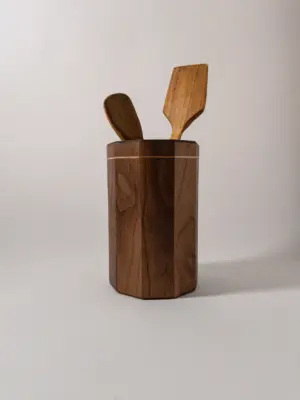

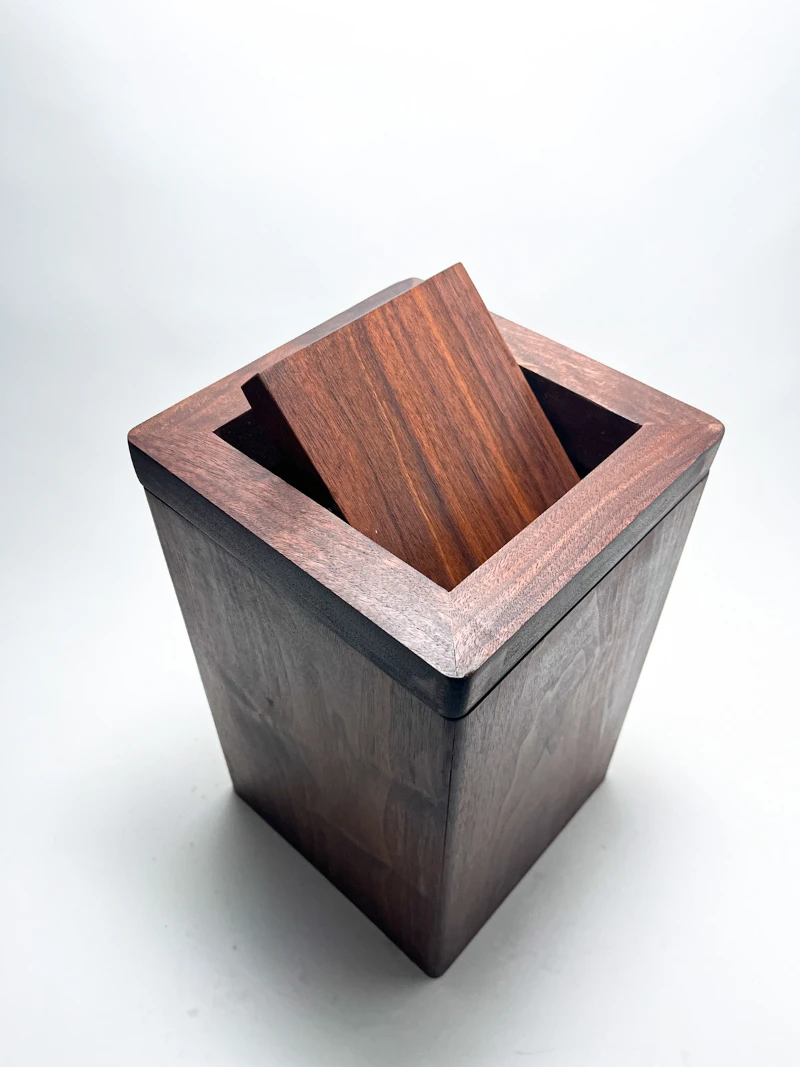
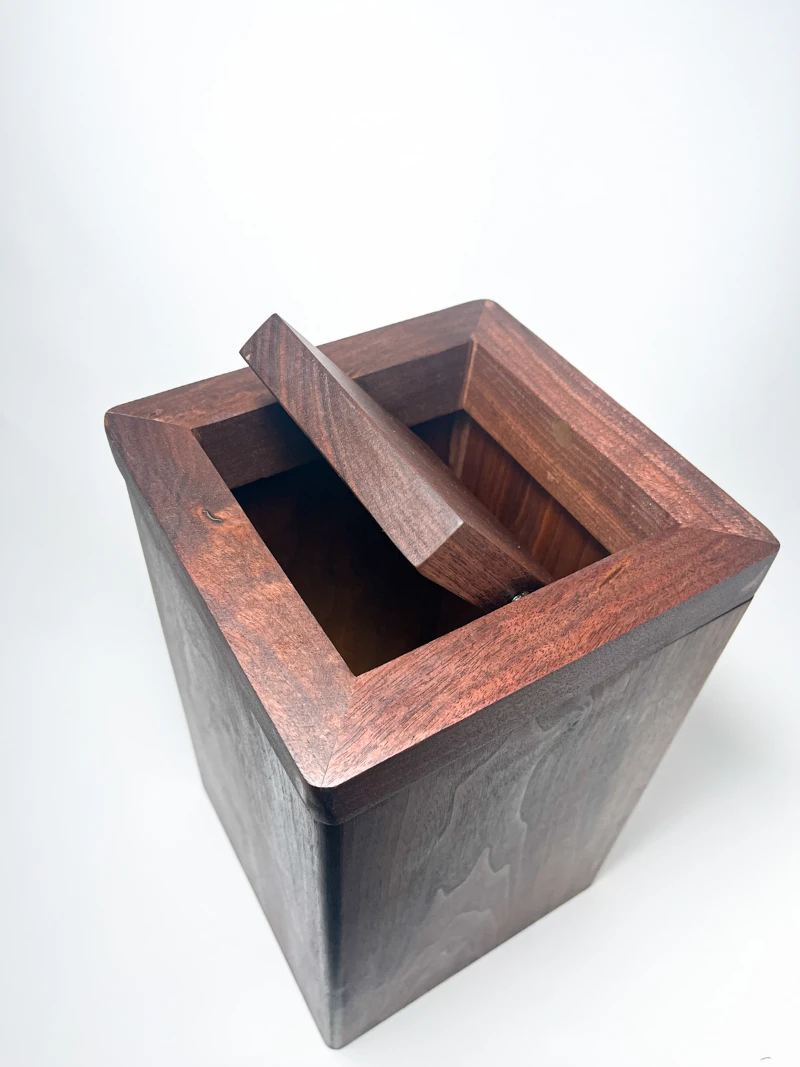
Wooden Utensil Holder
You Save: $10.00 (13%)
Original price was: $80.00.$70.00Current price is: $70.00. excl. tax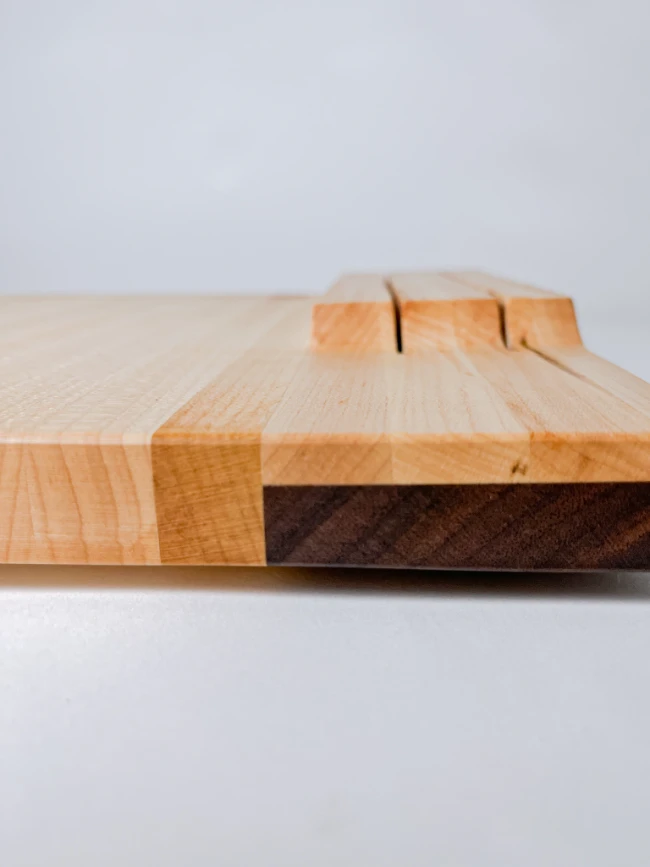
You Save: $15.00 – $30.00
Price range: $145.00 through $265.00 excl. tax
Wood Cutting Boards
Walnut Wooden French Bread Slicer for Baguettes, 1 inch thick slices
Living Room
You Save: $15.00 (20%)
Original price was: $75.00.$60.00Current price is: $60.00. excl. tax