







How to Remove Fish Smell from a Wooden Cutting Board

Fish is delicious. The smell it leaves behind on a wooden cutting board is not. You scrubbed it with dish soap, rinsed it twice, left it to dry overnight, and somehow it still reeks of last night’s salmon. Sound familiar?
The reason fish smell is so persistent on wood comes down to chemistry. The compounds responsible for that distinctive odor bind to wood fibers in a way that water and regular soap do not fully break. The good news is that every item you need to fix this is probably already in your kitchen.
Read these six proven methods and learn how to remove fish smell from a wooden cutting board, ranked from lightest to most aggressive, plus tips to prevent the smell from soaking in next time.
Quick fix: Coarse salt plus a halved lemon scrubbed across the board, left for 5 minutes, then rinsed cold. This removes 90% of fish odors in one pass. For the stubborn remainder, a baking soda paste or white vinegar follow-up finishes the job. Details on all methods below.
Table of Contents
Why Fish Smell Lingers on Wood
Fish smell comes primarily from trimethylamine (TMA) and trimethylamine oxide (TMAO), compounds produced when fish proteins break down. These are alkaline compounds that bond strongly to the slightly acidic cellulose and tannin structure of wood fibers.
When you rinse with water, you remove loose surface residue, but the TMA that has penetrated the wood grain stays bound. Dish soap helps with fats but does not chemically neutralize the TMA molecule. You need an acid (like lemon or vinegar) to react with the alkaline TMA and convert it into a non-volatile salt that does not smell.
This same principle explains why simply scrubbing harder with more soap rarely works. For a broader look at keeping wooden kitchen tools clean, see our guide on how to clean wooden kitchen spoons.
Key insight: Fish smell is alkaline. Acids neutralize it. Lemon juice, white vinegar, and citric acid are your best tools. Baking soda works differently by absorbing odor molecules directly. Either approach beats plain soap and water every time.
The Salt and Lemon Method (Best First Step)
This is the most effective first-response treatment and uses two pantry staples you almost certainly have on hand.
- Rinse the board with cold water to remove any loose debris
- Sprinkle 2-3 tablespoons of coarse kosher salt or sea salt across the entire surface
- Cut a lemon in half and use the cut face as a scrubber, pressing firmly and working the salt into the grain
- Let the salt and lemon juice sit on the surface for 5 minutes
- Rinse thoroughly with cold water and dry immediately with a clean towel
- Stand upright or lay flat to finish air drying
The salt acts as a mild abrasive that opens the wood grain and draws moisture out, while the citric acid in the lemon juice reacts with the TMA odor compounds and neutralizes them. This method also works on garlic, onion, and any other strong food odors.
White Vinegar Soak
For odors that survive the lemon scrub, white vinegar is your next move. Undiluted white vinegar has a pH of around 2.5, which is acidic enough to neutralize most residual fish smell compounds.
- Pour undiluted white vinegar onto the board surface and spread to cover completely
- Let it sit for 5-10 minutes
- Rinse with cold water and dry immediately
You can also wipe with a vinegar-soaked cloth if you prefer not to use the liquid directly. The vinegar smell itself dissipates quickly as the board dries.
Do not soak the board in vinegar (submerging in a water-vinegar bath for an extended period can cause wood swelling). A surface treatment for 5-10 minutes is enough.
Baking Soda Paste Treatment
Baking soda works differently from acids: it absorbs odor molecules rather than neutralizing them chemically. It is particularly effective for fish smell that has had time to set, and it works as a gentle abrasive to lift surface staining.
- Mix 2-3 tablespoons of baking soda with just enough water to form a thick paste
- Spread the paste evenly across the board surface
- Let sit 15-20 minutes
- Scrub gently with a brush or cloth, then rinse completely with cold water
- Dry immediately and thoroughly
You can also combine lemon and baking soda as a two-step treatment: do the salt-lemon scrub first, let dry, then apply the baking soda paste. The acid step neutralizes the TMA, and the baking soda step absorbs any remaining odor compounds.
Hydrogen Peroxide for Stubborn Odors
If the above methods have not fully solved the problem, a 3% food-grade hydrogen peroxide solution is your next step. Hydrogen peroxide is a mild oxidizer that breaks down odor compounds at a molecular level and also kills any residual bacteria.
- Spritz 3% hydrogen peroxide across the board surface
- Let it bubble and sit for 5-10 minutes
- Rinse with cold water and dry completely
Hydrogen peroxide is safe for food-contact surfaces at 3% concentration. Use sparingly since repeated application can slightly lighten darker wood species over time. Standard drugstore hydrogen peroxide (3%) works fine for this purpose.
Safety note: Do not mix hydrogen peroxide with vinegar directly on the surface as combining them creates peracetic acid, which is more corrosive than either alone. Use them separately with a rinse between.
Coffee Grounds Deodorizer
This is a lesser-known trick that works surprisingly well for boards with persistent odors. Fresh or used coffee grounds are a natural odor absorber. The porous structure of coffee particles traps volatile compounds including TMA.
- Spread a thin layer of damp coffee grounds across the board surface
- Let sit for 15-30 minutes
- Wipe away the grounds with a damp cloth and rinse
- Dry completely
This method works best as a follow-up after one of the acid treatments above, not as a standalone. Coffee grounds do not neutralize odors chemically, they absorb them, so you want the majority of the TMA already broken down before using this step.
When to Re-Oil After Deodorizing
Any of the methods above will strip some of the protective oil layer from your cutting board surface. After deodorizing, always finish with a food-grade oil application once the board is completely dry.
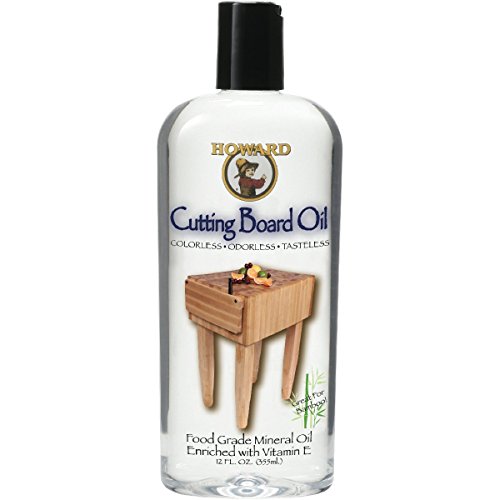
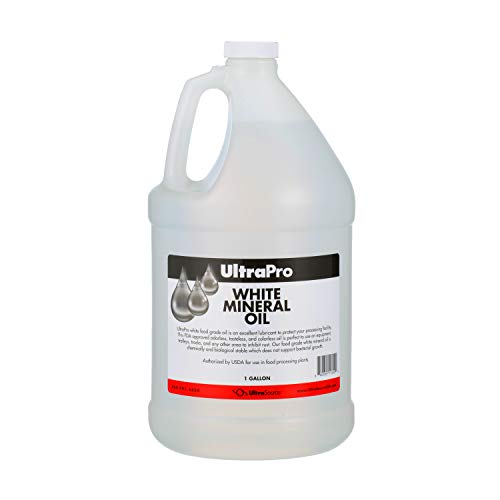
- Apply a thin coat of food-grade mineral oil or a dedicated cutting board conditioner
- Spread evenly with a cloth and let it absorb for at least 2 hours, overnight is better
- Wipe away any excess that has not been absorbed
- The board is ready to use once the surface feels smooth and dry, not tacky
Regular oiling reduces the porosity of the wood surface, which means less odor absorption during the next use. Boards that are well-oiled are significantly easier to deodorize than boards that have been allowed to dry out.
Recommended food-grade mineral oil
Our top picks


Preventing Fish Smell Before It Starts
The easiest fish smell to deal with is the one that never soaks in. A few habits make a significant difference:
- Rinse the board immediately after cutting fish, before the TMA has time to penetrate
- Always rinse with cold water first. Hot water opens the wood grain and drives the smell deeper before you even start cleaning
- Wash with dish soap right after the cold rinse
- Dry immediately rather than letting the board sit wet
- Consider using a thin plastic cutting mat placed on top of the wooden board specifically for fish
- Keep the board well-oiled at all times to reduce porosity
If you regularly cook fish, designating a separate lightweight board just for fish and seafood is a practical solution that keeps your main wooden board odor-free.
Choosing a Cutting Board That Resists Odors
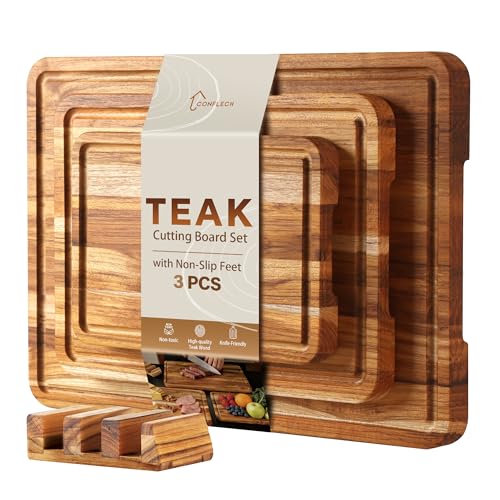
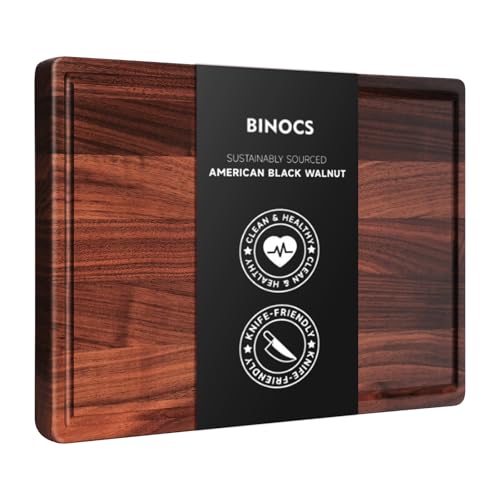
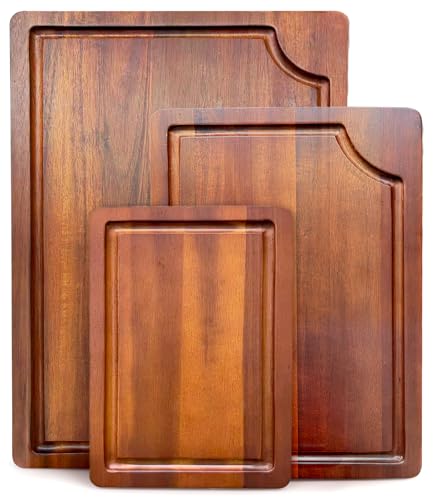
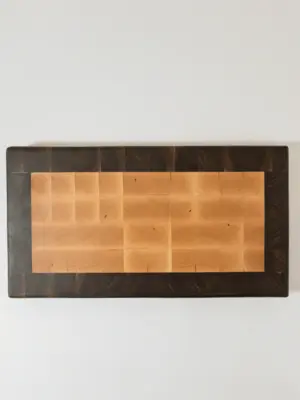
Dense, tight-grained hardwoods like maple, teak, and acacia are more odor-resistant than softer or more porous wood species because they have fewer open pores for liquids and odor compounds to penetrate. End grain boards are particularly good since the cross-section of wood fibers naturally channels liquids down and away from the surface.
A well-maintained end grain maple or teak board, kept properly oiled, will resist fish smell far better than a cheap softwood board that has never been oiled.
Best wooden cutting boards for fish prep
Our recommendations





For more on keeping your cutting board in top condition, read our full guide on how to oil a wooden cutting board.
How do I get fish smell out of a wooden cutting board?
The most effective method is a salt and lemon scrub: sprinkle coarse salt generously on the board, cut a lemon in half, and scrub the surface using the lemon as the applicator. Let sit 5 minutes, then rinse with cold water and dry immediately. For stubborn odors, follow up with a white vinegar wipe or a baking soda paste.
Does baking soda remove fish odor from cutting boards?
Yes. Mix baking soda with just enough water to form a thick paste, spread it over the surface, and let it sit for 15-20 minutes. Baking soda is alkaline and neutralizes the acidic trimethylamine compounds responsible for fish odor. Rinse thoroughly and dry completely before the next use.
Can I use bleach to remove fish smell from a wooden cutting board?
Avoid bleach on wooden cutting boards. Bleach is too harsh for wood fibers, causing drying, cracking, and surface degradation over time. It can also leave a chemical residue. Safer and equally effective options include white vinegar, hydrogen peroxide, or lemon and salt scrubs.
Why does my cutting board still smell like fish after washing it?
Fish odor compounds (primarily trimethylamine and trimethylamine oxide) bind to wood fibers and are not fully removed by soap and water alone. You need an acid (lemon juice or vinegar) or an alkali (baking soda) to chemically neutralize the smell. Plain soap only removes surface residue.
How do I prevent fish smell from soaking into my cutting board?
Rinse the board immediately after cutting fish with cold water (hot water opens the wood grain). Wash with dish soap right away. Designate a separate thin board just for fish, or use a non-porous plastic mat on top of your wooden board when cutting fish. Re-oil regularly to reduce porosity.
This article contains affiliate links #ad





Loved by our customers


Wooden Utensil Holder

Wood Cutting Boards
Walnut Wooden French Bread Slicer for Baguettes, 1 inch thick slices
Living Room