


The Right Way to Clean a Wooden Fruit Bowl
Your wooden fruit bowl works hard. It sits on the counter, cradles apples and bananas, catches citrus peels, and collects everything from condensation rings to mystery sticky spots. And yet, most people never clean it properly — they give it a quick rinse, call it a day, and wonder why it starts to look dull, smell off, or develop those unsettling gray patches.
Here is the honest truth: learning how to clean a wooden fruit bowl is not complicated, but it does require doing a few specific things in the right order. Skip the oiling step and your bowl dries out and cracks. Use the wrong cleaner and you strip the wood’s natural protection. Toss it in the dishwasher even once and you may as well start shopping for a replacement. Wood plays by its own rules, and once you understand them, keeping your bowl in great shape takes almost no effort at all.
This guide covers everything — from your daily 30-second routine to deep-cleaning sticky residue, tackling banana peel stains, neutralizing citrus acid damage, and re-oiling to bring the wood back to life. Think of it as advice from a friend who has ruined a few bowls learning these lessons so you do not have to.
Quick tip: Never submerge a wooden fruit bowl in water or put it in the dishwasher. Wood absorbs moisture unevenly, which causes warping, splitting, and cracking that cannot be reversed. A damp cloth is your best friend here.
Table of Contents
Why Wood Needs Special Care
Wood is a living material — even after it has been turned, shaped, and finished, it continues to respond to its environment. It expands when it absorbs moisture and contracts as it dries out. This movement is normal and healthy up to a point, but repeated extreme swings cause the wood fibers to break down over time. That is why your bowl can look perfectly fine one season and suddenly sport a hairline crack the next.
The finish on your bowl, whether it is a simple oil or a more durable lacquer, acts as a barrier against moisture and contaminants. Once that barrier degrades, food residue, bacteria, and moisture work their way directly into the grain. The good news is that maintenance is simple. The USDA Forest Products Laboratory has studied wood durability for decades, and their consistent finding is that routine conditioning dramatically extends the life of wooden products in kitchen environments.
It also helps to understand that not all wooden bowls are identical. A bowl turned from a dense hardwood like walnut or maple behaves differently than one made from a softer or more porous wood. That said, the cleaning fundamentals are the same across species. If you are curious about how wood density affects care requirements, our guide on caring for a maple wood cutting board covers the specifics in detail — and most of those principles translate directly to fruit bowls.
The Daily Quick Clean
The daily routine takes about 30 seconds and makes every other step easier. After you remove fruit or wipe out any debris, dampen a soft cloth with warm water — not hot, not cold, just warm. Wipe the interior and exterior surfaces in the direction of the grain. Flip the cloth to a dry side and buff away the remaining moisture immediately. Then set the bowl in a spot with good airflow, not directly in sunlight or near a heat source, and let it finish drying for 15 to 20 minutes before putting fruit back in.
That “dry with the grain” step is not optional. Wiping against the grain can raise tiny wood fibers over time, giving the surface a rough texture that traps more residue. The goal is a smooth, slightly matte surface that feels almost silky when dry. If yours is starting to feel rough or fuzzy, that is a signal that it needs oiling, which we will cover shortly.
One common question is whether mild dish soap is safe to use. The short answer is yes, occasionally. A drop of gentle, fragrance-free dish soap on a damp cloth is fine for routine cleaning and does a good job cutting through light residue from fruit juices. Just rinse the cloth and wipe the bowl down again with clean water afterward to remove any soap traces. Do not let soapy water pool in the bowl or soak the wood. Our broader look at how to sanitize wooden items properly goes deeper on this point for anyone who wants a more complete picture.
Quick tip: Always dry your wooden bowl by hand immediately after wiping it down. Even 10 minutes of sitting wet on the counter can push enough moisture into the grain to start the warping cycle.
Deep Cleaning Sticky Residue
Overripe fruit is generous in many ways, and one of them is leaving behind an impressive layer of sticky, oxidized residue that a simple wipe will not touch. You will know this when you see it — a slightly darkened, tacky film that makes the bowl feel unpleasant to hold. The approach here is a paste of coarse salt and lemon juice.
Sprinkle a tablespoon of coarse kosher salt into the bowl, squeeze half a lemon over it, then use the cut face of the lemon as a scrubbing pad. The salt provides gentle mechanical abrasion while the citric acid helps dissolve fruit sugars and cut through the film. Work in small circular motions, focusing on the sticky areas. Let the mixture sit for one to two minutes before wiping it away with a damp cloth. Follow with a clean damp wipe to remove all traces of salt, then dry thoroughly as described above.
For stubborn buildup that does not respond to salt and lemon, a paste of baking soda and water works well as a slightly more aggressive option. Apply it with a soft-bristle brush, let it sit for a minute, then rinse thoroughly. Avoid using steel wool or abrasive scrubbing pads — they will scratch the wood surface and make it even more prone to trapping residue in the future. Keep abrasion gentle and purposeful.
A word on vinegar: diluted white vinegar is a popular home cleaner, and it does work on certain surfaces. However, it requires some care on raw or oiled wood. Frequent vinegar use can degrade the oil finish over time and dry out the wood. For occasional deep cleaning, a solution of one part white vinegar to five parts water is generally safe, but we would not recommend making it your go-to. Our full breakdown of whether vinegar is safe to use on wood covers the nuances and the surfaces where it can cause lasting damage.
Treating Stains from Bananas and Citrus
Banana peel stains are some of the most common and most annoying marks you will find in a fruit bowl. They appear as dark, tannin-rich discolorations that seem to penetrate the wood quickly, especially in lighter species like ash or birch. The oxidizing enzymes in banana skin do real work on wood grain, so the sooner you address them, the easier they are to remove.
For fresh banana stains, the salt-and-lemon scrub described above usually does the job. For older stains that have had time to set, try a paste of hydrogen peroxide and baking soda applied directly to the stain. Let it bubble for two to three minutes, then wipe clean with a damp cloth. Test on an inconspicuous spot first if your bowl has a decorative finish, since peroxide can lighten very dark stains along with lightening the wood itself. After treatment, always follow with a thorough drying and oiling step to restore the wood’s surface protection.
Citrus juice stains work differently. The acidic pH of orange and lemon juice does not stain wood the way banana tannins do, but it does strip the oil finish from the surface wherever it sits. You might not notice any visible mark, but the affected area will feel drier and rougher than the surrounding wood. The fix is targeted oiling of that spot rather than a full stain treatment. Apply a small amount of food grade mineral oil directly to the dry patch, let it soak in for 20 minutes, then buff away the excess with a clean cloth.
Quick tip: If you spot a whitish or dull ring where a citrus fruit was sitting, that is an oil-stripped zone, not a stain. A targeted mineral oil treatment will restore the surface appearance in most cases without any scrubbing needed.
Gray or black discolorations are worth a mention here too. These often indicate early mold or mildew growth, which happens when moisture gets trapped in the grain and is not allowed to dry completely. The diluted vinegar solution or a small amount of 3% hydrogen peroxide applied with a cotton ball is your first line of defense. If the discoloration is deeper than the surface layer and does not respond to either treatment, the affected area may need light sanding with 220-grit sandpaper, followed by thorough oiling. For context on how to handle similar issues with other wooden kitchen items, the principles in these table maintenance tips apply just as well to bowls.
Re-Oiling to Prevent Drying and Cracking
Oiling is the single most important maintenance step for a wooden fruit bowl, and it is the one most people skip entirely. A well-oiled bowl looks richer in color, feels smoother to the touch, resists moisture more effectively, and simply lasts longer. An under-oiled bowl looks dusty and pale, feels rough, and develops hairline cracks that spread over time into larger structural failures.
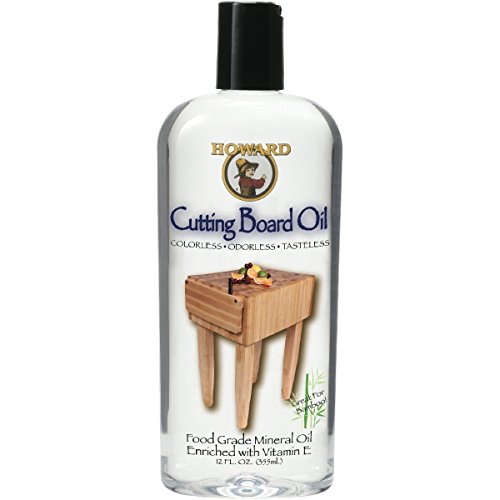
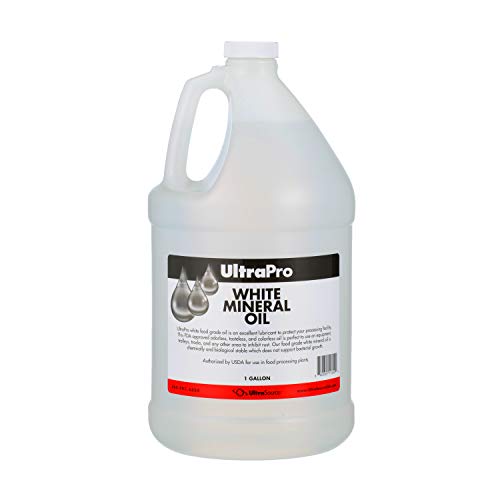
The best oil for a fruit bowl is food grade mineral oil. It is flavorless, odorless, non-toxic, does not go rancid, and soaks into the wood grain beautifully. The FDA classifies food grade mineral oil under 21 CFR 172.878 as safe for incidental food contact, which makes it the standard recommendation for any wooden kitchen item. It is also easy to find and inexpensive. You can pick up food grade mineral oil for under $10 — a bottle lasts for years of regular use.
To oil your bowl, start with a clean, completely dry surface. Pour a small amount of food grade mineral oil onto a soft cloth and work it into the wood using circular motions, covering the interior, exterior, and the base. Apply a generous coat — you want the wood to visibly drink it in. Let it soak for 20 to 30 minutes, then wipe away any excess that remains on the surface. For a bowl that has gone too long without oiling, apply a second coat immediately after removing the first. The grain will absorb both applications quickly, which tells you how thirsty the wood was.
How often should you oil? A bowl in regular use benefits from oiling once a month. A bowl that sits decoratively on the counter and is rarely used can go two to three months between treatments. The easiest visual cue is water behavior: when water beads up on the surface, your oil level is adequate. When water soaks in immediately and darkens the wood, it is time to oil. This same logic applies to the care of any maple or hardwood kitchen piece.
Some people prefer a beeswax conditioning paste or a blend of mineral oil and beeswax for a more durable surface finish. These work well and add a subtle sheen to the wood. The FDA GRAS list confirms beeswax is food-safe, so it is a legitimate option for bowls that hold fruit directly. Whichever you choose, the application method is the same as pure mineral oil.
One conditioning product worth mentioning: board cream, which combines food grade mineral oil with beeswax, provides both deep penetration and a surface seal in one step. It works excellently on fruit bowls and you can find food grade mineral oil products that include these blended conditioners in the same price range.
Best Food Grade Mineral Oils and Conditioners for Wooden Fruit Bowls
Our top picks to keep your bowl hydrated, protected, and crack-free



Premium 100% Pure Food Grade Mineral Oil USP, 4 Pack…
$111.99
Only 16 left in stock - order soon.
Buy on Amazon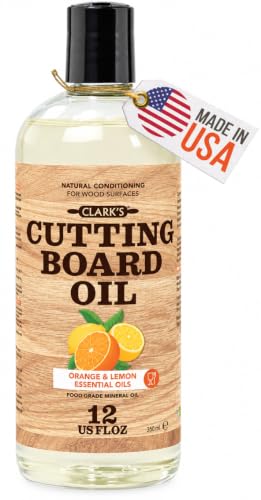
When to Retire a Bowl
Not every bowl can be saved, and recognizing the point of no return saves you time and prevents you from storing fruit in a compromised vessel. Deep cracks that extend across the bowl bottom or up through the sides are a structural issue that oiling will not fix. Persistent dark discoloration that returns after multiple cleaning and oiling cycles often signals deep mold growth embedded in the grain. A bowl that has warped to the point of rocking or not sitting flat has typically lost its structural integrity from repeated moisture exposure.
If your bowl is in that territory, it has had a good life. Replacing it with a quality hardwood piece and maintaining it properly from day one will get you decades of use. For anyone looking at new options, wooden fruit bowls under $30 offer excellent value and there are well-crafted options in walnut, acacia, and mango wood at very accessible prices. Understanding the grain and finish on your new bowl from the start makes every care decision simpler. Our guide on sanitizing wooden kitchen items is a smart companion read before you put the new bowl into service.
Best Wooden Fruit Bowls Under $50
Wood options worth the upgrade


Fruit Bowl Acacia Wood Decorative Wooden Bowl for Kitchen, Dining…
$14.99
Only 19 left in stock - order soon.
Buy on Amazon
Wrapping It All Up
Cleaning a wooden fruit bowl well comes down to four consistent habits: wipe it dry after every use, deep-clean sticky buildup with salt and lemon before it sets, treat stains promptly with the right approach for each type, and oil regularly with food grade mineral oil to keep the wood hydrated and protected. None of these steps are difficult, and none take more than a few minutes.
Wood rewards attention. A bowl that gets this kind of routine care develops a rich, deep patina over time that only improves with age. The grain tightens, the surface smooths, and the natural warmth of the material becomes more pronounced rather than fading. That is the opposite of what happens to bowls that get neglected or subjected to dishwasher cycles.
If you are building out a wooden kitchen, the same principles of regular cleaning, targeted stain treatment, and consistent oiling apply across the board — literally. Our in-depth post on maintaining your wooden dining table extends these ideas to your larger pieces, and the principles stack beautifully once you understand the underlying logic of how wood behaves in a kitchen environment.
Quick tip: The best time to establish a cleaning habit for your wooden bowl is right now. One oiling session today can reverse months of neglect and give the wood a fresh start with a strong protective barrier.
This article contains affiliate links #ad
Can you put a wooden fruit bowl in the dishwasher?
No. The dishwasher is the single fastest way to ruin a wooden bowl. The combination of high heat, prolonged hot water exposure, and strong detergents causes the wood to absorb moisture unevenly, which warps and cracks the bowl in a single cycle. Always hand-wash your wooden fruit bowl with a damp cloth and dry it immediately.
How often should you oil a wooden fruit bowl?
For a bowl in regular daily use, oiling once a month keeps the wood in good condition. A decorative bowl used less frequently can go two to three months between treatments. The best indicator is the water test: if water soaks straight into the wood instead of beading up, the bowl needs oil immediately.
Does citrus fruit damage a wooden bowl?
Citrus juice does not stain wood the way banana or berry juice does, but the acidity strips the oil finish from the surface wherever it sits. You will notice the affected area feels drier and rougher than the surrounding wood. The fix is targeted food grade mineral oil applied to the dry patch, left to soak for 20 minutes, then buffed away.
What is the best oil for conditioning a wooden fruit bowl?
Food grade mineral oil is the standard recommendation. It is flavorless, odorless, non-toxic, does not go rancid, and is classified by the FDA as safe for incidental food contact under 21 CFR 172.878. Beeswax conditioning paste and blended mineral oil and beeswax products also work well and provide an additional surface seal.
How do you remove banana stains from a wooden fruit bowl?
For fresh banana stains, scrub with a paste of coarse kosher salt and fresh lemon juice using the cut face of the lemon as your scrubbing pad. For older set-in stains, apply a paste of hydrogen peroxide and baking soda directly to the stain, let it bubble for two to three minutes, then wipe clean and re-oil the affected area.


Loved by our customers


Wooden Utensil Holder

Wood Cutting Boards
Walnut Wooden French Bread Slicer for Baguettes, 1 inch thick slices
Living Room