







How to Clean a Wooden Chopping Board the Right Way

Your wooden chopping board works harder than almost any other item in your kitchen. It handles raw chicken, pungent garlic, acidic tomatoes, and sticky dough, sometimes all in the same evening. Clean it wrong and you are looking at warping, cracking, bacterial buildup, and a board that smells vaguely of everything you have ever cooked. Clean it right and it stays looking great for years.
The good news is that cleaning a wooden chopping board correctly takes about three minutes and requires items you already have in your kitchen. The bad news is that the most common approaches people use, soaking in water or tossing it in the dishwasher, are also the fastest ways to destroy a board.
This guide covers everything: daily cleaning, deep cleaning for stubborn stains and odors, monthly conditioning, and the specific mistakes to avoid if you want your board to last a decade or more.
The cardinal rules: Never soak a wooden chopping board in water. Never put it in the dishwasher. Always dry it upright so both faces air out evenly. These three rules prevent about 90 percent of all wooden board damage.
Table of Contents
Daily Cleaning After Each Use
Daily cleaning is quick and should happen immediately after you finish using the board. Do not let food residue sit on the surface for hours. Proteins and sugars become harder to remove the longer they sit, and acidic ingredients like citrus and tomatoes can start to stain the wood surface.
Here is the routine: scrape off any remaining food with a bench scraper or the spine of your knife. Then wash the board under warm running water with a small amount of dish soap, working the soap into the surface with a sponge or brush. Rinse thoroughly to remove all soap residue. Pat dry with a clean towel and stand the board upright on its edge so air circulates on both faces. Never lay it flat on the counter to dry, as moisture trapped underneath leads to warping.
A quick note on soap: the old advice was to never use soap on wooden boards because it would damage the wood. According to USDA FSIS guidance on cutting board safety, washing boards with soap and hot water after each use is an essential food safety step. This is largely a myth for modern boards. A mild dish soap used in normal amounts is not going to strip the oil from a properly seasoned board. What damages boards is prolonged soaking, the dishwasher, or soaking the board in a soap solution. Quick wash, quick rinse, done.
Deep Cleaning: Removing Stains and Odors
For stubborn stains and lingering odors, a simple two-ingredient solution works better than most commercial board cleaners. Cut a lemon in half and rub the cut face over the stained or odor-affected area. Let the lemon juice sit for one to two minutes. Then sprinkle coarse salt over the area and use the lemon half as a scrubber, working the salt into the surface in circular motions. The salt acts as a gentle abrasive while the lemon juice brightens the wood and neutralizes odors naturally.
Rinse the board with warm water afterward and dry it upright immediately. This method works particularly well for garlic odors, turmeric stains, and the grey discoloration that appears on boards that have been left slightly damp too often.
For deeply embedded stains that the lemon-salt scrub does not fully address, a light sanding with 220-grit sandpaper removes the stained surface layer and reveals fresh wood underneath. Sand with the grain direction, wipe off all dust with a dry cloth, and then apply mineral oil before returning the board to service. You can also use a paste of baking soda and water as a gentle alkaline cleaner for food stains that have had time to set. For a complete routine, see how our wooden kitchen spoon cleaning guide handles similar deep-cleaning challenges.
For fish odors specifically: Lemon juice and salt works, but white vinegar is more effective. Wipe the board with undiluted white vinegar, let it sit for five minutes, then rinse and dry. Vinegar neutralizes the trimethylamine compounds responsible for fish smell far more completely than citrus acid alone.
How to Sanitize a Wooden Chopping Board
After using a wooden chopping board for raw meat, poultry, or fish, sanitization is more thorough than the standard daily wash. The USDA Food Safety and Inspection Service recommends sanitizing cutting boards that have been used for raw proteins. For wooden boards, the best approach is a dilute bleach solution or a white vinegar treatment.
Dilute bleach method: mix one tablespoon of unscented liquid chlorine bleach per gallon of water. After washing the board with soap and rinsing, flood the surface with this diluted bleach solution and let it stand for a few minutes. Rinse thoroughly with clean water and dry upright. Do not use concentrated bleach directly on wood. The diluted solution sanitizes effectively without causing the bleaching or surface damage that concentrated bleach causes.
White vinegar method: undiluted white vinegar has documented antibacterial properties and is safe for wood surfaces. Wipe the board with vinegar after washing, let it sit for five minutes, then rinse and dry. The UC Davis research on wooden boards noted that bacteria drawn into wood grain do not multiply and die off naturally, which means proper washing and drying handles most contamination risk. Sanitizing after raw meat prep adds an additional layer of confidence. This is the same protocol followed in commercial kitchens that have returned to wooden boards. For the complete deep dive on this topic, see our post on how to sanitize a wooden cutting board.
Monthly Oiling: Why It Matters and How to Do It
Oiling is the single most important maintenance step for wooden chopping boards and the one most people skip. Wood is a natural material that expands and contracts with changes in moisture content. A dry board absorbs water rapidly when washed, swells, and dries unevenly, which leads to cracking along the grain and warping over time. A well-oiled board absorbs and releases moisture slowly and evenly, staying stable and intact.
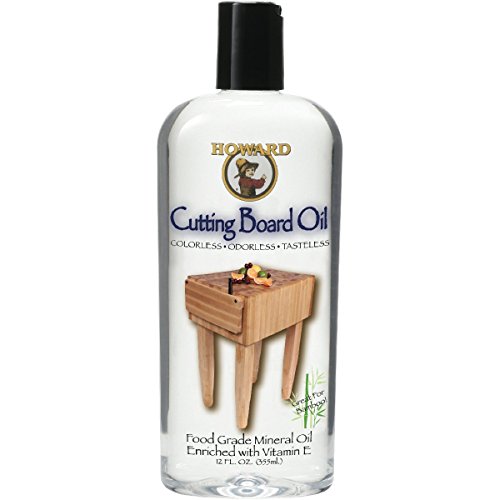
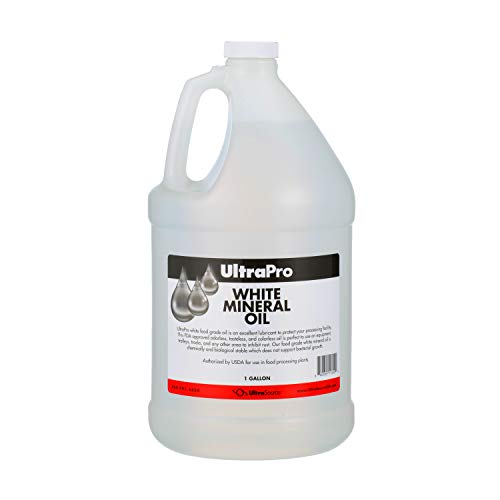
The best oil for chopping boards is food-grade mineral oil. The FDA classifies food-grade mineral oil as safe for direct food contact, it does not go rancid like cooking oils, and it penetrates the wood grain effectively. Avoid olive oil, vegetable oil, or coconut oil on your board. These food-based oils eventually go rancid inside the wood and produce a musty, unpleasant smell that is difficult to remove.
To oil your board: warm the oil slightly (10 seconds in the microwave), apply a generous coat to all surfaces including the sides and bottom face, and let it soak in for at least 20 minutes. Wipe off any excess with a clean cloth. For a new board or a very dry board, repeat the process three to four times in a single session, allowing each coat to absorb before applying the next. After initial seasoning, monthly oiling maintains the board in excellent condition.
Board wax tip: After oiling, apply a thin coat of board wax made from mineral oil and beeswax. The wax fills minor surface scratches and creates a protective barrier that slows future moisture absorption. Buff it in with a clean cloth. The result is a board that feels smooth, looks rich, and lasts noticeably longer between treatments.
Our Recommended Cutting Board Oils and Conditioners
The Right Oil Makes All the Difference in How Long Your Board Lasts



What Not to Do: Cleaning Mistakes That Ruin Boards
Avoiding these mistakes adds years to the life of any wooden chopping board. Every single one is common, and every single one is preventable.
- Soaking in water: Extended water contact causes the wood to swell rapidly and unevenly. Repeated soaking leads to permanent warping and cracking. Thirty seconds under running water is fine. A two-hour soak in the sink is not.
- Putting it in the dishwasher: The combination of prolonged heat, steam, and water in a dishwasher cycle is the fastest way to destroy a wooden board. Boards come out warped, cracked, and split after even one dishwasher cycle. No exceptions.
- Drying flat on the counter: Laying a board flat traps moisture on the underside. Dry it upright on its edge every time.
- Using cooking oil instead of mineral oil: Olive oil, coconut oil, and other food-based oils go rancid inside wood, creating a persistent bad smell that is very hard to eliminate.
- Ignoring the sides and bottom: When oiling, people often coat only the top cutting surface. The sides and bottom absorb moisture just as readily and need the same conditioning treatment.
When to Replace or Resurface Your Board
A wooden chopping board rarely needs to be replaced if you maintain it properly. The situations that call for action are deep knife grooves that have become unhygienic, structural cracks that trap food and cannot be cleaned out, or persistent mold that has penetrated the wood surface beyond what surface sanding can address.
For deep grooves and surface staining, resurfacing is the right move before replacement. Sand with progressively finer grits, starting at 80 or 100 grit for heavy damage, working through 150, and finishing at 220. Always sand with the grain. Wipe away all dust, then apply three to four coats of food-grade mineral oil to re-season the freshly exposed wood. A resurfaced board performs like new and typically gets another five to ten years of service life. If you are choosing between board construction types, our guide on end grain vs edge grain cutting boards explains how each type ages differently under heavy use.
Replacement is warranted when the board has cracked through its full thickness, when the wood has split or delaminated at glue joints on a laminated board, or when mold has penetrated so deeply that resurfacing does not remove it completely. At that point, the board is a safety risk and should be retired. A quality hardwood board maintained correctly rarely reaches this stage within its first decade of use. For more detail on proper board upkeep, our complete cutting board maintenance guide covers every maintenance scenario in depth.
Can you put a wooden chopping board in the dishwasher?
No. The dishwasher combines prolonged heat, steam, and water exposure that rapidly warps and splits wooden boards. Even one dishwasher cycle can cause permanent damage. Wash wooden boards by hand with warm soapy water, rinse quickly, and dry them upright.
How often should I oil my wooden chopping board?
Oil a new board monthly for the first six months to season it thoroughly. After that, oil every six to eight weeks during regular use. A quick test: drop a few beads of water on the surface. If they soak in immediately instead of beading up, the board needs oil.
How do you get the smell of garlic or onion out of a wooden board?
Rub the board with a cut lemon and coarse salt, using the lemon as a scrubber. Let the juice sit for two minutes, then rinse. For persistent odors, wipe the board with undiluted white vinegar, let it sit for five minutes, then rinse and dry upright. Both methods neutralize sulfur compounds that cause the lingering smell.
Is it safe to use a wooden chopping board for raw meat?
Yes, with proper sanitation after use. The USDA recommends sanitizing boards used for raw proteins. Use a diluted bleach solution (one tablespoon per gallon of water) or undiluted white vinegar after washing. Research from UC Davis found that bacteria drawn into wood grain die off rather than multiply, which is an advantage over heavily used plastic boards.
What oil should I use on a wooden chopping board?
Use food-grade mineral oil. It does not go rancid, it is safe for food contact according to the FDA, and it penetrates wood grain effectively. Avoid olive oil, coconut oil, or other cooking oils, which eventually go rancid inside the wood and create persistent musty odors.
This article contains affiliate links #ad
How to refinish old wood floors without sanding
How to Restore Wooden Floors in Simple Steps
How to Clean Engineered Hardwood Floors Without Damage
Wooden Kitchen Spoons: Complete Cleaning And Caring Guide

How to effectively care for wooden kitchen cabinets – 7 simple ways
Learn How to Sanitize a Wooden Cutting Board Correctly
Loved by our customers


Wooden Utensil Holder

Wood Cutting Boards
Walnut Wooden French Bread Slicer for Baguettes, 1 inch thick slices
Living Room