







End Grain vs Edge Grain Cutting Boards: Which Is Better?
Walk into any serious kitchen store and you will find both types on the shelf. End grain boards with their distinctive checkerboard pattern usually carry the higher price tag. Edge grain boards look sleeker and cost less. The question home cooks ask constantly is simple: does the extra money for end grain actually buy you something meaningful?
The honest answer is yes, with important nuances depending on how you cook and how much maintenance you are willing to do. Both types are excellent cutting surfaces. They differ in how they handle knives, how they age under heavy use, how they require care, and where each performs best.
This guide breaks down every meaningful difference between end grain vs edge grain cutting boards so you can pick the right board for your actual kitchen, not just the one with the most impressive marketing copy.
Quick answer: End grain boards are gentler on knife edges and self-heal minor cuts, making them ideal for serious home cooks who sharpen regularly. Edge grain boards are more affordable, easier to maintain flat, and better for light-to-moderate daily prep. Both outlast plastic by years with proper care.
Table of Contents
What Is End Grain?
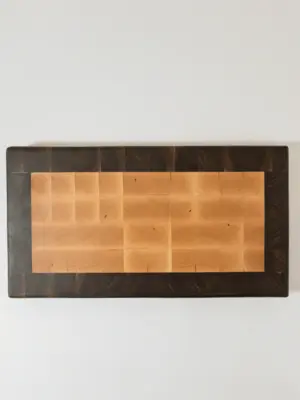
End grain boards are constructed by cutting wood into blocks and arranging them so the ends of the wood fibers face up toward the cutting surface. Think of it like cutting a loaf of bread and looking at the cross-section of each slice. That exposed pattern of rings and growth lines is the end grain. Boards built this way have a distinctive checkerboard or mosaic appearance that many people find beautiful.
The structural result is a surface where your knife blade parts the wood fibers rather than cutting across them. The wood fibers flex slightly apart to accept the blade, then close back together. This is the key mechanical advantage of end grain: it reduces knife wear and allows the board to recover from minor surface cuts over time. According to research in the USDA Wood Handbook, end grain construction also absorbs moisture more readily, which is why these boards need oiling more frequently than edge grain equivalents.
End grain boards are typically thicker (1.5 to 3 inches) and heavier than edge grain boards of the same surface area. That weight keeps them stable during aggressive prep work. Many professional butcher blocks use end grain construction for exactly this reason.
What Is Edge Grain?
Edge grain boards are made by laminating long strips of wood with the edges of the boards facing up as the cutting surface. The result is a clean, linear grain pattern running the length of the board. These are the boards most people picture when they think of a classic wooden cutting board: clean lines, visible grain, elegant simplicity.
Because the edge grain surface cuts across the wood fibers rather than parting them, knives do leave more surface scratching over time. The board does not self-heal the way end grain does. However, the surface is harder and more resistant to warping because it expands and contracts less with moisture changes.
Edge grain boards tend to stay flatter over years of use, which matters for serious cooking where a rocking board is genuinely frustrating.
For most home cooks doing daily prep, the scratching on an edge grain board is purely cosmetic. It does not affect food safety or performance in any meaningful way. And the lower price point makes edge grain a smart choice for anyone who wants a quality hardwood board without the premium investment.
Knife Performance: Which Surface Is Easier on Blades?
This is the category where end grain wins clearly. When a knife blade parts wood fibers at the end grain, the contact angle is fundamentally gentler. The blade slides between fibers rather than dragging across them. Over hundreds of uses, this difference shows up as a knife that stays sharp longer between sharpening.
Professional chefs who use expensive Japanese knives with thin edges are particularly sensitive to this. A hard edge grain board or, worse, a glass or ceramic board, will roll the edge of a high-carbon steel knife noticeably faster than end grain. If your knife collection is an investment, the softer reception of end grain justifies a meaningful portion of the price premium.
Knife care note: Neither end grain nor edge grain boards should be used to replace proper knife maintenance. Hone your blade regularly between sessions and have it professionally sharpened annually. The board choice slows edge degradation; it does not eliminate it.
For home cooks with mid-range knives who sharpen every few months, the difference in blade life between the two board types is real but modest. You will notice it over years, not weeks. If you want to understand how end grain board use stacks up against other cutting board types, our post on whether end grain cutting boards are better goes deeper on this topic.
Durability and Longevity Compared
End grain boards are the tortoise in this race. They withstand more knife use before the surface needs resurfacing, they handle the daily accumulation of micro-cuts without showing significant visual damage, and they feel as premium in year five as they did in year one with proper oiling. A quality end grain maple board maintained well can last 20 or more years of daily use and one reason commercial kitchens have returned to wooden cutting boards.
Edge grain boards are also durable, particularly with respect to staying flat. Because the grain runs lengthwise and the cross-section does not absorb moisture as readily, edge grain boards resist warping better under normal kitchen conditions. The cutting surface does show knife marks more visibly over time, but a light sanding restores the appearance without removing significant material.
Both types are vastly more durable than plastic. A plastic board showing deep groove damage needs to be replaced. A wooden board showing groove damage needs to be sanded and re-oiled. That is a fundamentally different cost-per-year equation, especially for quality boards at the $100 to $300 price range. For more context on what makes a quality wood board last, check our guide on cutting board maintenance.
Maintenance: Oiling, Cleaning, and Resurfacing
End grain boards need oiling more frequently than edge grain boards because the exposed wood end fibers absorb moisture and oil faster. A good rule of thumb: oil your end grain board monthly when new, dropping to every six to eight weeks once it has been seasoned over the first year of use. Use food-grade mineral oil, which the FDA recognizes as safe for food contact surfaces.
Edge grain boards need oiling every six to eight weeks from the start, with maintenance dropping to quarterly after the first year. Both types should be washed with warm soapy water after each use, dried upright, and never submerged in water or put in a dishwasher. The USDA FSIS cutting board guide confirms that proper washing and drying after each use is the single most important food safety practice for any cutting surface. Soaking causes rapid swelling and warping in any wood cutting board.
For resurfacing, end grain boards require a skilled hand with a belt sander or planer. The same general cleaning and oiling principles that apply to boards also apply to cleaning a wooden chopping board properly, drying upright, and monthly oiling are identical because the end grain surface can tear out if approached wrong. Edge grain boards sand easily with an orbital sander. If you are comfortable with light woodworking, either board is resurfaceable at home. If not, any local woodworker will resurface a board for a modest fee.
Price and Value: Is End Grain Worth the Premium?
End grain boards cost more for a concrete reason: they require more labor and material to manufacture. Making an end grain board involves cutting wood into many small blocks, gluing them in the correct orientation, and planing the surface flat. An edge grain board involves fewer cuts and less labor. That production difference translates directly to price.
A quality edge grain board like hard maple runs roughly $40 to $120 depending on size like these edge grain cutting boards under $120 from Amazon. A comparable end grain board starts around $80 and can reach $250 or more for large boards in premium woods like walnut or cherry including these end grain cutting boards for under $250 from Amazon as well. The price gap is real, but so is the longevity advantage. Spread the cost over 15 to 20 years of daily use and the per-year cost of a premium end grain board is surprisingly competitive.
Value math: A $150 end grain board used for 15 years costs $10 per year. A $60 edge grain board replaced every 8 years costs $7.50 per year. The difference narrows considerably when you factor in that the end grain board likely never needs full replacement, just occasional resurfacing at minimal cost.
Top End Grain Cutting Boards Worth Owning
Protect Your Knives and Upgrade Your Prep Surface Today
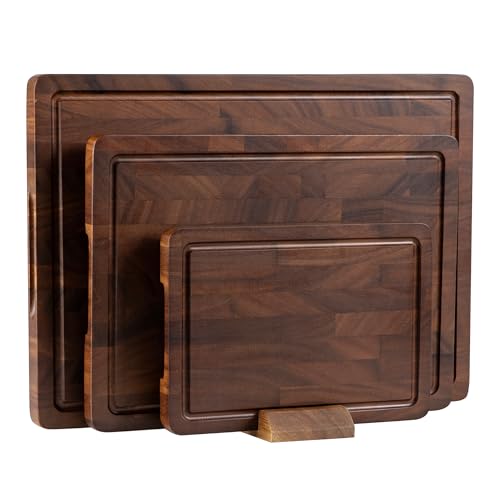


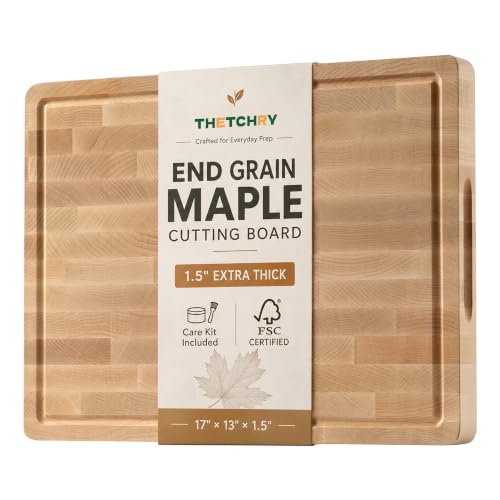
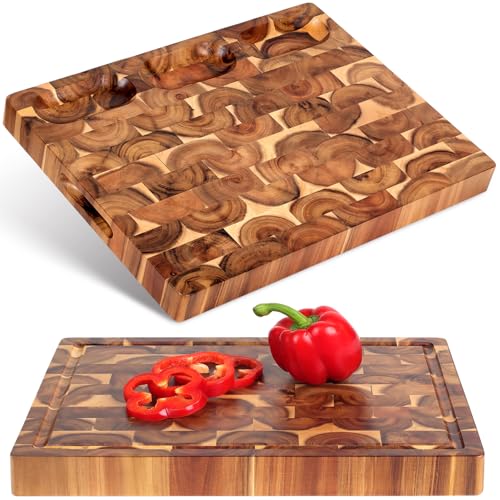

Top Edge Grain Cutting Boards
Our Top Picks

Sonder Los Angeles Franklin Cutting Board, Edge Grain Walnut, 20x15x1.5…
$149.99
In Stock
Buy on Amazon
John Boos Block CHY-R01 Cherry Wood Edge Grain Reversible Cutting…
$94.36
Only 6 left in stock - order soon.
Buy on Amazon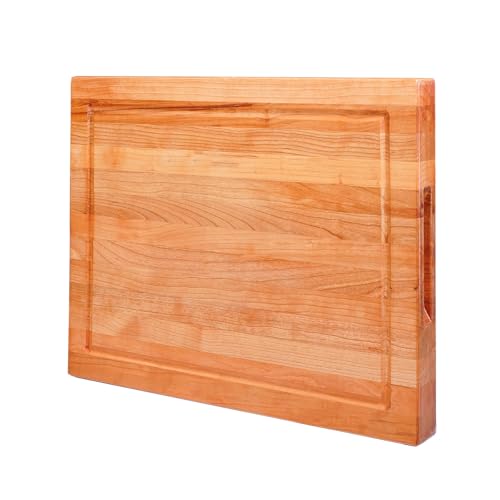
CONSDAN Solid Cherry Wood Cutting Board for Kitchen, USA Grown…
$49.99
Only 20 left in stock - order soon.
Buy on Amazon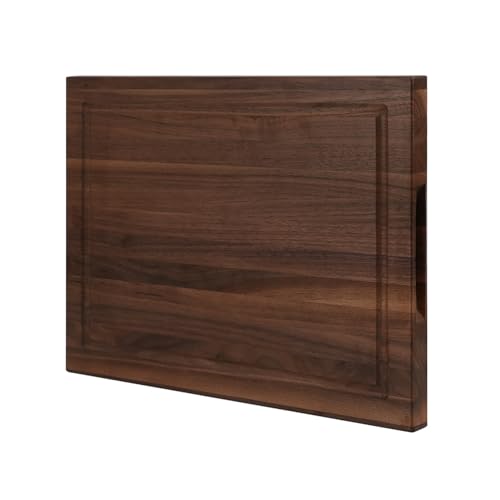
End Grain vs Edge Grain Cutting Boards: Which Should You Choose?
Choose end grain if you cook daily, own quality knives you want to preserve, and are willing to oil the board regularly. The investment pays off over years through better knife life, a cutting surface that improves with age, and a piece that frankly looks impressive on any counter.
Choose edge grain if you want a quality hardwood board without the premium cost, prioritize a perfectly flat surface that resists warping, or cook several times per week rather than every single day. Edge grain boards are excellent tools that the vast majority of home cooks never outgrow.
Either way, you are making a vastly better choice than any plastic board for long-term kitchen use. To explore the full range of quality woods available for either style of board, our guide on choosing the best wood cutting board covers every major species and what to expect from each. For care once you have made your decision, our maple cutting board care guide is a solid starting point.
End Grain vs Edge Grain Frequently Asked Questions
Is end grain or edge grain better for cutting boards?
End grain is gentler on knife edges because the blade parts wood fibers rather than cutting across them. It also self-heals minor surface cuts over time. Edge grain is more affordable, stays flatter, and is easier to maintain. Both are excellent choices; the best pick depends on your cooking frequency and budget.
Do end grain cutting boards really self-heal?
Yes, in a limited way. The wood fibers in an end grain board close back together after a knife cut because they were parted rather than severed. This prevents deep knife marks from becoming permanent as quickly as they do on edge grain surfaces. Heavy use still requires periodic sanding to restore the surface fully.
How often should I oil an end grain cutting board?
Oil a new end grain board monthly for the first six months to season it properly. After that, oil every six to eight weeks during normal use, or whenever the surface looks dry or starts to lighten in color. Use food-grade mineral oil, which is safe for food contact and will not go rancid.
Why are end grain cutting boards so expensive?
End grain boards require more material and significantly more labor to manufacture. Wood must be cut into many small blocks, arranged with end grain facing up, glued, clamped, and then planed flat. Edge grain boards involve fewer production steps, which results in lower manufacturing costs and a lower retail price.
Can I use an end grain board for raw meat?
Yes, with proper sanitation. Wash with hot soapy water immediately after use, sanitize with a food-safe solution if preferred, and dry upright. Using a dedicated board for raw proteins and a separate board for produce reduces cross-contamination risk regardless of which type of board you use.
This article contains affiliate links #ad

Loved by our customers

Wooden Utensil Holder
Wood Cutting Boards
Walnut Wooden French Bread Slicer for Baguettes, 1 inch thick slices
Living Room