


Glass or Wood Cutting Board: Which One Wins?
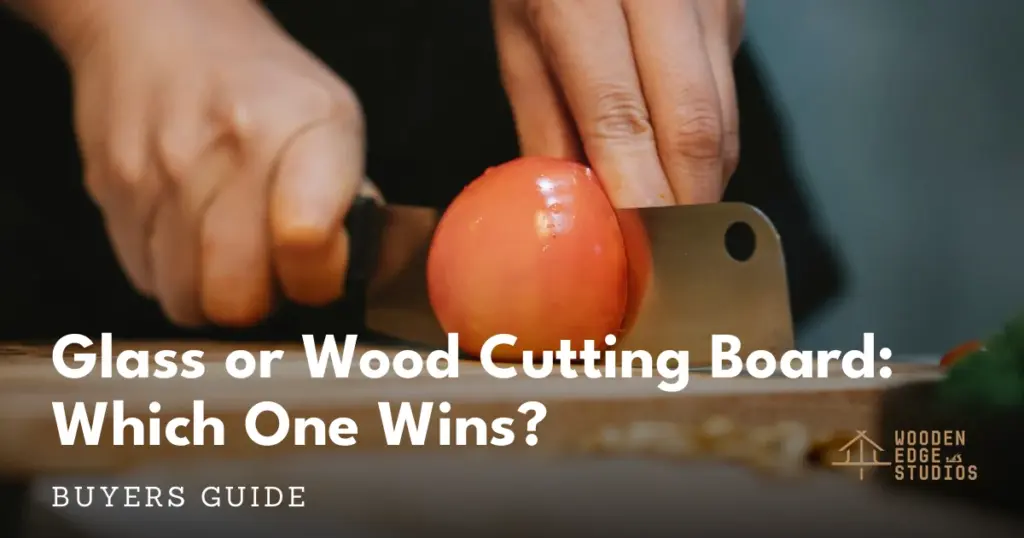
At some point, almost every home cook has stared at a glass cutting board and thought, “That looks so easy to clean.” And sure, it does. But standing at your prep station with a dull knife and a board that sounds like a spoon in a blender is a different story. The debate between a glass vs wood cutting board is not just about hygiene or style. It touches on knife health, food safety, long-term cost, and even the planet. The differences are sharper than you might expect.
This guide puts both materials through a head-to-head comparison across every category that matters to real cooks. You will find category verdicts, a final winner, and product recommendations if you are ready to upgrade. Whether you are buying your first board or finally retiring that scratched-up relic in your cabinet, the right answer is probably already forming.
Fair warning: this article leans toward wood, and not just because Wooden Edge Studios celebrates the craft of timber. The science backs it up. Still, glass has a handful of genuine use cases and we will give it credit where credit is due. Let’s get into it.
Key insight: A UC Davis study found that bacteria introduced onto wooden cutting board surfaces were absorbed into the wood and could not be recovered after a few minutes, while bacteria on nonporous surfaces remained fully recoverable. That is a meaningful difference when you are handling raw chicken on a Tuesday night.
Table of Contents
Knife Damage: The Fastest Way to Ruin a Blade
This category is not even close. Glass cutting boards are, without any exaggeration, one of the worst surfaces you can put a knife against. Glass is harder than the steel in almost every kitchen knife, which means every stroke across that surface is actively rolling the edge. A few sessions on a glass board can undo months of careful sharpening in minutes. If you have ever noticed your knife feels dull after what seemed like light prep work, a glass board is likely the culprit.
Wood behaves in the opposite direction. Hardwoods like maple and walnut have a natural give that lets the blade slip through without fighting back. With end grain cutting boards, the fibers are oriented vertically, so the knife actually parts the wood fibers rather than cutting across them. Those fibers spring back afterward, creating a mild self-healing effect that cushions the edge and reduces micro-chipping over time. The result is an edge that stays sharp longer between sharpenings and a board that shows less scarring.
Edge-grain wood boards are slightly firmer but still dramatically kinder to knives than glass. Even budget wooden boards do less edge damage per meal than a glass board that costs three times as much. If you care about your knives at all, this one category should settle the debate. Glass wins zero points here, and it is not debatable.
Round winner: Wood
Hygiene and Food Safety
Here is where the conventional wisdom gets it backwards. For decades, the food safety narrative assumed that nonporous surfaces were automatically safer. Glass is nonporous, so glass must be cleaner. Right? Not exactly. Research published by microbiologist Dean Cliver and his team at UC Davis found something that surprised a lot of people: bacteria introduced to wooden cutting board surfaces were absorbed into the wood and died. They could not be recovered, even when the researchers tried. Bacteria on glass and nonporous surfaces? They just sat there, fully recoverable, waiting to contaminate the next thing you put down.
The mechanism makes sense when you think about it. Wood fibers absorb moisture and pull bacteria below the surface, where they are cut off from nutrients and oxygen. As the board dries, the hostile environment eliminates the pathogens before they can survive long enough to cause harm. Glass has no such property. Whatever lands on a glass board stays accessible on the surface until you physically scrub it away. The USDA FSIS cutting board guidance acknowledges that both wood and nonporous surfaces can be used safely with proper technique, but wood’s natural antibacterial properties provide a meaningful safety margin that glass simply does not have.
That said, wood does require proper care to keep that advantage working. You need to wash promptly with hot soapy water, rinse well, and let the board dry completely on edge or a rack so air can circulate. Periodic treatment with diluted white vinegar, or a light wipe with 3% hydrogen peroxide, adds another layer of protection. Learn more about the right approach in our guide on how to sanitize a wooden cutting board correctly. Glass, in theory, can tolerate dishwashers and bleach without any damage to the material itself. But that convenience advantage evaporates fast once you factor in knife damage and the fact that glass does not help you the way wood does.
Key insight: Glass boards also develop surface scratches over time from knife contact. Those micro-scratches can trap bacteria just like the grooves in a scarred plastic board. So the “nonporous equals clean” argument actually weakens the more a glass board is used. Wood’s antibacterial advantage, by contrast, does not degrade with use.
Round winner: Wood
Durability and Longevity
Glass cutting boards are technically resistant to knife scoring and do not absorb stains or odors. They are easy to inspect for cleanliness. From a material-hardness standpoint, glass is clearly the tougher surface. The problem is that kitchen durability is not just about resisting scratches from knives. It is about surviving the full environment of a working kitchen, and glass fails on multiple fronts.
Drop a glass cutting board and it shatters. One edge caught on a countertop corner, one unexpected slide off the dish rack, and it is gone. Glass boards also chip and crack at edges from thermal shock, especially if you go from the freezer to a hot counter. They can be slippery when wet, which creates a genuine safety hazard with a sharp knife involved. And unlike a wooden board, you cannot resurface, refinish, or repair a glass board once it is damaged. It goes from functional to garbage in a single instant.
A quality hardwood board, by contrast, absorbs impacts and can be refreshed. Minor knife marks blend into the grain over time. If the surface gets heavily worn, a light sand and re-oil treatment brings it back. End grain boards in particular are known for surviving decades of daily use when properly maintained. For tips on caring for a maple wood cutting board that extend the life of your board, a little maintenance goes a long way. The one area where wood needs attention is moisture: avoid soaking, skip the dishwasher, and oil regularly to prevent warping or cracking. With those habits in place, a good wooden board easily outlasts multiple replacements of most glass boards.
Round winner: Wood
Ease of Cleaning
This is the one category where glass has a legitimate argument. Glass boards are dishwasher-safe, bleach-tolerant, and nonporous, so surface-level cleaning is genuinely straightforward. You can see exactly what is on the surface. There are no oils to reapply, no grain to think about, no cracking risk from a soak. For someone who wants minimal maintenance and maximum convenience, glass boards check those boxes.
Wood requires a more intentional routine. Hot soapy water works fine for daily cleaning, but you cannot submerge wood or run it through the dishwasher without risking warpage or splitting. For deeper sanitation, a rinse with diluted white vinegar is effective and wood-safe. Wondering whether that is actually safe for the board itself? Our article on whether vinegar is safe to use on wood breaks it down clearly. You will also need to oil the board every four to six weeks to keep the surface from drying out. That adds maybe five minutes to your routine once a month. It is not burdensome, but it is not nothing either.
The practical reality is that most home cooks are not running dishwasher cycles after every use anyway. A quick hand wash at the sink takes the same amount of time whether the board is glass or wood. The dishwasher convenience only matters if you actually use it regularly for your board. So while glass technically wins on cleaning ease, the real-world gap is narrower than it sounds for most people.
Round winner: Glass (slight edge)
Should You Choose a Glass Cutting Board?
Top-Rated Glass Cutting Boards on Amazon

Kimiditt Glass Cutting Boards for Kitchen,Clear Tempered Cutting Board for…
$24.99
In Stock
Buy on Amazon
Kitchenville Glass Cutting Board 16"x12": Tempered Glass Kitchen Counter Protector…
$14.95
In Stock
Buy on Amazon

Kitchenville Glass Cutting Board 20”x16”: Tempered Glass Kitchen Counter Protector…
$24.95
In Stock
Buy on Amazon


Aesthetics and Kitchen Feel
Glass cutting boards have a clean, modern look that works well in certain kitchen designs. They come in various patterns and colors, and some versions have illustrated designs that make them more decorative serving pieces. In a sleek all-white or stainless kitchen, a clear glass board can look intentional and polished. So design credit is due.
But wood carries a warmth and organic character that glass simply cannot replicate. The grain of a maple, walnut, or acacia board adds texture and life to a kitchen in a way that manufactured materials do not. A well-made wooden board sits on the counter and looks like it belongs there. It photographs beautifully for anyone who puts food content online. It doubles as a charcuterie or serving board for cheese, bread, and appetizers. The tactile experience of working on wood, the quiet thud of the knife, the feel of the surface, is genuinely more pleasant than the clatter and slip of glass.
From a purely sensory standpoint, wood also wins at the prep station. Cutting on glass produces a sharp, grating sound that many cooks find unpleasant, especially during extended prep sessions. It is a small thing, but spending thirty minutes chopping vegetables on a surface that sets your teeth on edge is not the culinary experience anyone is going for. Wood is quiet, warm, and inviting. Glass is loud and cold.
Round winner: Wood
Cost and Long-Term Value
Entry-level glass and wood cutting boards can both be found at budget price points, so upfront cost is relatively similar at the low end. However, the value math changes significantly over time. Because glass boards destroy knife edges, you end up spending more on knife sharpening or replacement. Because glass boards shatter, you may replace them more often than expected. A board that saves you $15 upfront but costs you a knife re-edge every few months is not the bargain it appears to be.
A quality wooden cutting board under $20 gives you a knife-friendly surface that can last years with minimal care. Move up to a premium hardwood or end grain board and you are looking at a product that outlasts most kitchen equipment. The FDA food contact substance guidelines confirm that both glass and wood are approved food-safe materials, so neither has a regulatory edge. The economic advantage belongs to wood when you factor in total kitchen cost over five or ten years.
The one honest cost caveat for wood is the maintenance investment. Oiling your board regularly and occasionally sanding takes time and a small recurring expense on food-grade mineral oil. That is a reasonable trade for a board that lasts a decade. Glass has no maintenance cost, but it also has no second life. Once it is gone, it is gone.
Round winner: Wood
Eco-Friendliness
Glass is technically recyclable, but most residential glass cutting boards do not make it through municipal glass recycling streams in one piece. Broken glass gets pulled from lines, and colored or tempered glass often cannot be processed alongside standard container glass. In practice, a glass cutting board that cracks or chips usually ends up in the landfill. Manufacturing glass is also energy-intensive, requiring high heat to melt silica and other compounds.
Hardwood boards, when sourced responsibly from FSC-certified forests, represent a genuinely renewable material with a much lighter production footprint. Wood sequesters carbon during growth, and a board that lasts fifteen years spreads its environmental cost across a much longer lifespan than a glass board replaced every few years. At end of life, an untreated wooden board can be composted or repurposed. Some makers even offer resurfacing services that keep boards in service longer. The eco math is not complicated: a renewable material that lasts decades beats an energy-intensive inorganic material that breaks and ends up in a landfill.
Key insight: Choosing domestic hardwoods like maple or cherry also reduces shipping emissions compared to exotic imported species. If sustainability matters to your purchase decision, a maple or cherry board from a US producer is one of the cleaner choices you can make in the kitchen.
Round winner: Wood
Featured: End Grain Cutting Boards
The Top Tier of Wood Cutting Boards
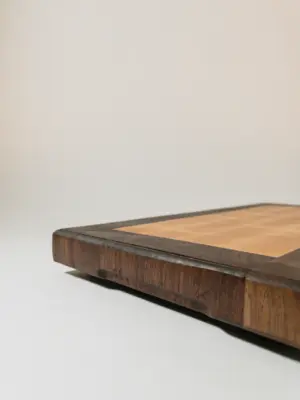
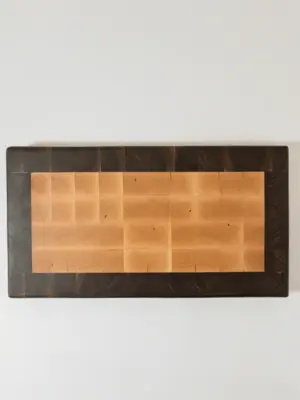
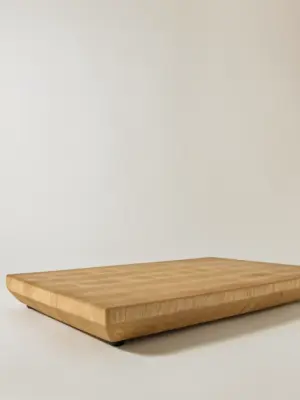
If you are serious about your kitchen, end grain construction is the gold standard. End grain boards expose the cross-section of wood fibers, which means your knife parts the grain rather than cutting across it. The fibers close back up after each cut, dramatically reducing surface scarring and extending the life of your edge. These boards are also the best-looking option on the counter, with their characteristic checkerboard or mosaic patterns that only get better with age. Browse end grain cutting boards under $85 for options that deliver exceptional value without the premium price tag of artisan custom boards.
Top End Grain Picks
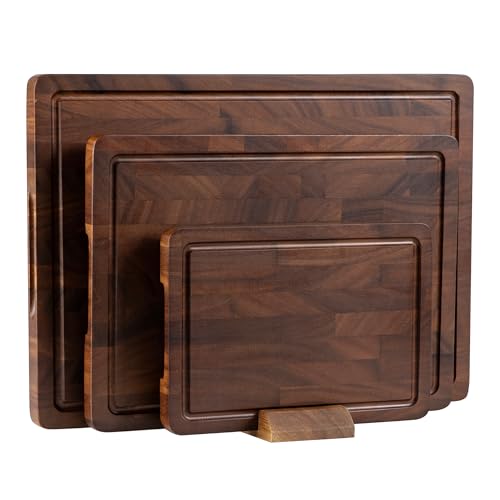


Brown Walnut Wood Cutting Board Set, End Grain Cutting Boards…
$79.99
Only 13 left in stock - order soon.
Buy on Amazon

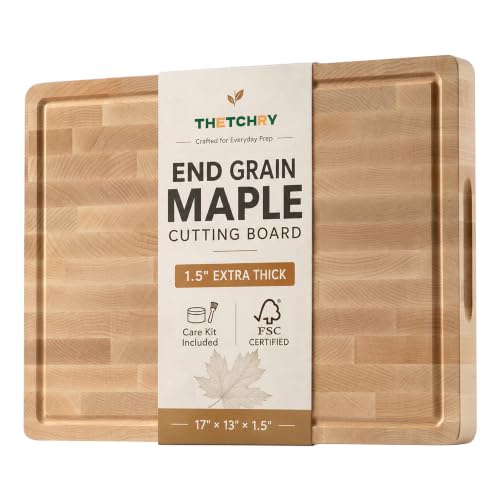

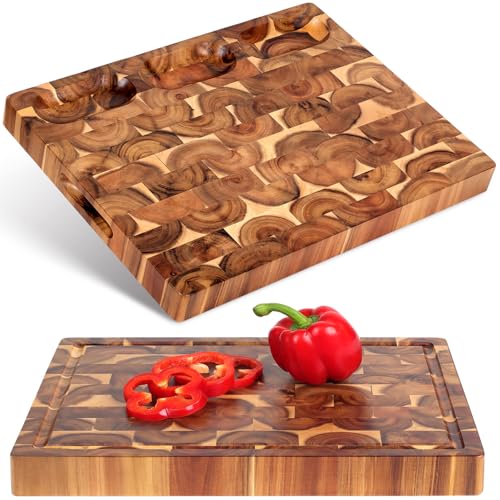


Best Wood Cutting Boards Worth Buying Now
Editor Picks: Wood Cutting Boards for Every Budget
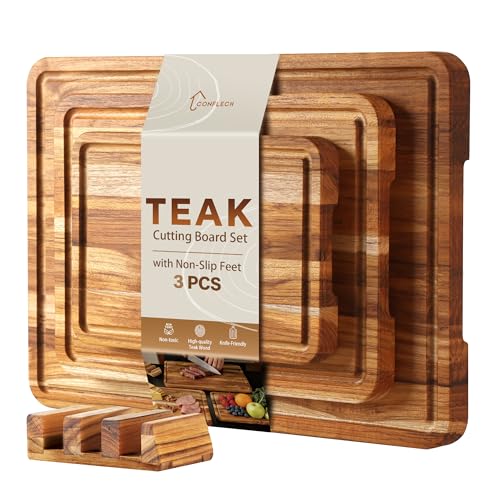
Whether you are upgrading from a beat-up board or buying your first quality piece, the options below represent strong picks across price points. Edge grain boards offer an excellent balance of performance and affordability. Look for thick hardwood construction, juice grooves, and rubber feet for stability. A well-chosen board in this category will outlast most kitchen equipment in your home. You can find quality wooden cutting boards under $20 that still deliver on the things that matter most. For more guidance on species selection, see our comparison of acacia vs teak cutting boards.
Top-Rated Wood Cutting Boards



The Verdict: Wood Wins, With One Honest Exception
Wood wins this comparison in nearly every category that matters to a working kitchen. It is gentler on knives, naturally antibacterial, more durable over the long run, better-looking, and better for the environment. The only round glass takes is ease of cleaning, and even that advantage shrinks when you factor in real-world kitchen habits. For anyone who cooks regularly and cares about their equipment, wood is the clear and defensible choice.
That said, here is the honest exception: glass cutting boards do have a legitimate niche. If you are prepping in an environment where dishwasher sanitation is a strict requirement, where knife quality is not a concern, or where you need a board that can double as a pastry rolling surface, glass serves a purpose. It also works reasonably well as a bread board or surface for tasks that do not involve a sharp knife at all. The issue arises when people use glass as a primary cutting surface for daily cooking and wonder why their knives degrade so quickly.
For most home cooks and anyone remotely serious about their kitchen setup, a wood cutting board is the smarter investment. Start with a solid edge grain hardwood and learn to oil it properly. It will reward you with years of excellent performance. If you want the very best cutting experience available, step up to an end grain board and you will understand immediately why professional kitchens and serious home cooks keep coming back to wood. Our full guide to choosing the best wood cutting board walks through the selection process in detail. And if you are ever wondering whether your board can handle a hot cast iron skillet coming off the stove, our piece on wood cutting board heat resistance answers that directly.
Quick comparison scorecard: Knife safety: Wood. Hygiene: Wood. Durability: Wood. Cleaning: Glass (slight edge). Aesthetics: Wood. Cost/value: Wood. Eco-friendliness: Wood. Final score: Wood 6, Glass 1. The data is consistent.
This article contains affiliate links #ad
Is a glass cutting board bad for knives?
Yes, glass cutting boards are significantly harder than knife steel and will dull or roll your blade edge with every use. Even a few sessions on glass can undo months of careful sharpening. Wood, especially end grain hardwood, is far gentler and helps preserve a sharp edge longer.
Are wood cutting boards more hygienic than glass?
Research from UC Davis found that bacteria introduced to wooden cutting board surfaces were absorbed into the wood and could not be recovered after a few minutes, suggesting the bacteria die within the wood. Glass surfaces allow bacteria to remain fully recoverable on the surface until physically cleaned. With proper care, wood boards offer a meaningful natural hygiene advantage.
Can you put a wood cutting board in the dishwasher?
No. Dishwashers expose wooden boards to prolonged heat and moisture that causes warping, cracking, and splitting. Always hand-wash wood cutting boards with hot soapy water, rinse thoroughly, and stand the board on its edge to air dry completely. Reserve the dishwasher for glass or plastic boards that can tolerate that treatment.
How long do wood cutting boards last compared to glass?
A quality hardwood cutting board, with regular oiling and proper drying, can last many years to several decades. End grain boards in particular are known for exceptional longevity. Glass boards, while scratch-resistant from knives, are brittle and shatter from drops or thermal shock, often ending their life suddenly. Over a ten-year horizon, wood typically outlasts glass in real kitchen use.
Do wood cutting boards harbor bacteria?
When properly maintained, wood cutting boards do not harbor bacteria at unsafe levels. Scientific research has shown that wood absorbs and kills bacteria rather than allowing them to persist on the surface. The key is prompt washing after each use, complete air-drying, and periodic sanitizing with diluted vinegar or hydrogen peroxide. Neglecting these steps with any board material increases bacterial risk.

Loved by our customers
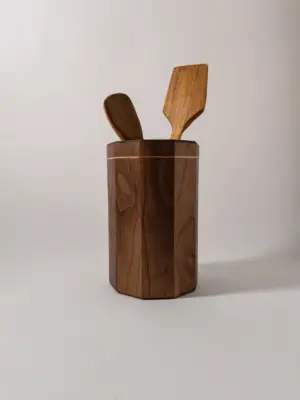

Wooden Utensil Holder
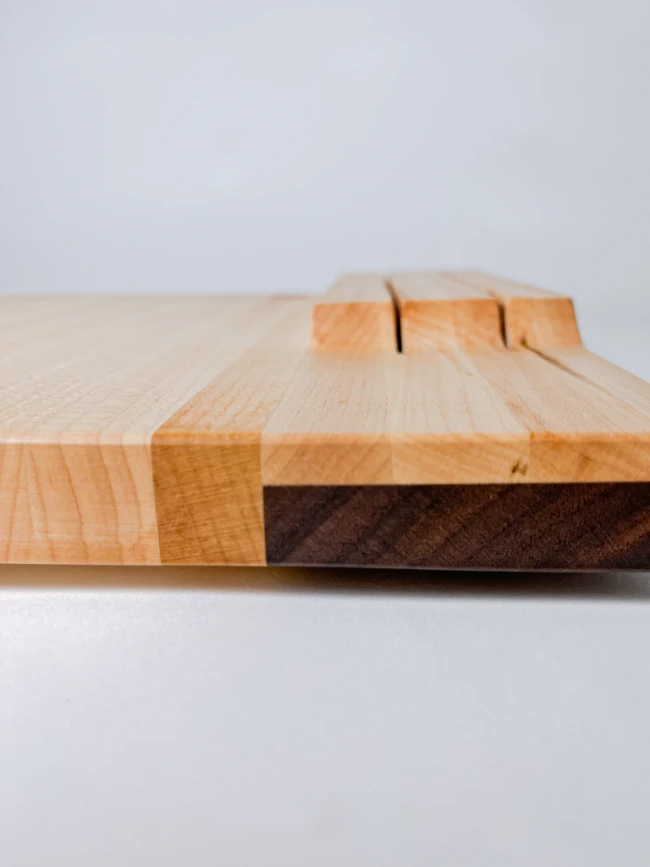
Wood Cutting Boards
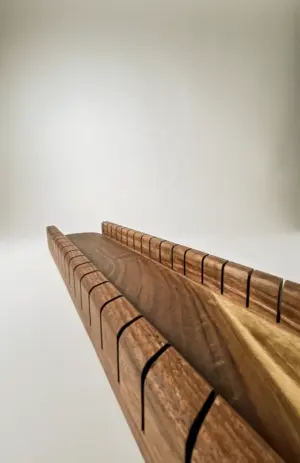
Walnut Wooden French Bread Slicer for Baguettes, 1 inch thick slices
Living Room