







How to oil a wooden cutting board: Step-by-step guide
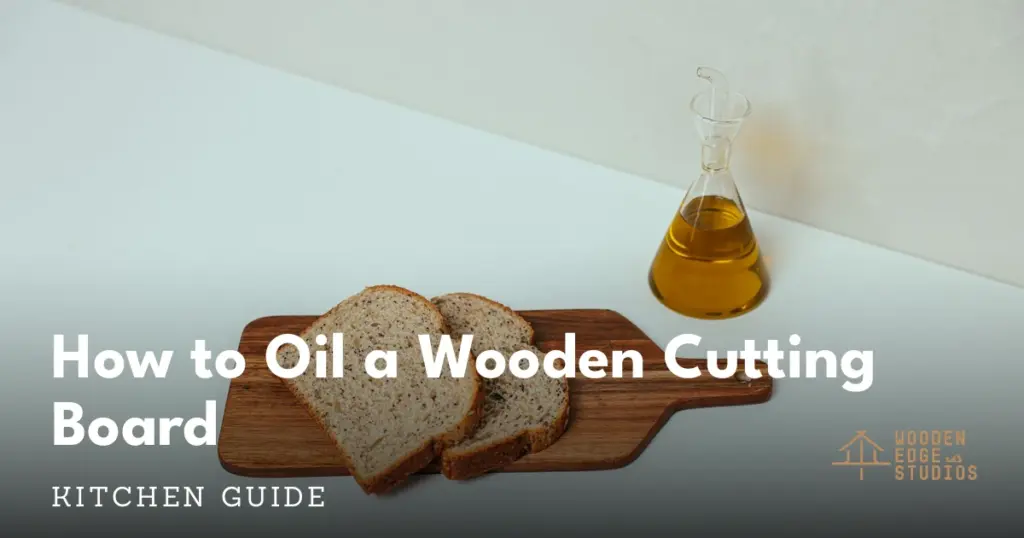
Wooden cutting boards are essential tools for a chef’s daily work in the kitchen. They make life easier and enable a proper flow through the cooking process. Over time, the chef grows accustomed to the cutting board, and it becomes more than a tool, almost like a trusted companion.
For that relationship to last, the chef/owner must know how to oil a wooden cutting board and also maintain and care for it. This will prevent it from warping and cracking over time.
Wooden cutting board maintenance starts with understanding what the wood needs to stay in good condition.
Proper oiling of your wooden cutting board will make your kitchen experience easier and more enjoyable. In this article, I will walk you through a step-by-step guide on how to oil a wooden cutting board so you can maintain it the right way.
Table of Contents
Why Wooden Cutting Board Maintenance and Oiling Matter
To Prevent Cracking and Warping
Wood is highly porous and vulnerable to moisture according to this research from the U.S. Department of Agriculture (USDA). Without a solid protective finish, it can absorb stains, food juices, and cooking aromas directly into its fibres. When moisture builds up excessively inside the wood, it leads to warping and cracking.
Knowing how to oil a wooden cutting board correctly helps prevent all of this and extends the lifespan of your board significantly.
According to America’s Test Kitchen, regular oiling is one of the most effective ways to protect and preserve a wooden cutting board.
Sanitation
When a wooden cutting board is used regularly, knife cuts begin to open up small grooves where food particles and bacteria can hide. Good maintenance and cleaning routines ensure proper sanitation, which protects the health of everyone using the board.
Related: Beyond oiling your board, you should also have information on how you can properly take care of it from heat. This article gives an answer to the question of wood cutting board being heat-resistant.
Enhancing Aesthetics
Another reason to learn how to oil your wooden cutting board is to preserve its natural beauty. When you wash and care for your board consistently, the wood retains its rich colour and smooth finish for much longer.
All of these benefits come down to one consistent habit: knowing how to oil a wooden cutting board and doing it on schedule.
Choosing the Right Oil
The first step in learning how to oil a wooden cutting board is selecting the right food-safe oil. Not every oil is suitable for this purpose, and using the wrong one can do more harm than good. Here are the key qualities to look for:
Food-Safe
Whatever oil you choose must be safe for contact with food. A cutting board interacts with raw ingredients daily, so the oil on its surface must be free from toxic additives and safe for human consumption.
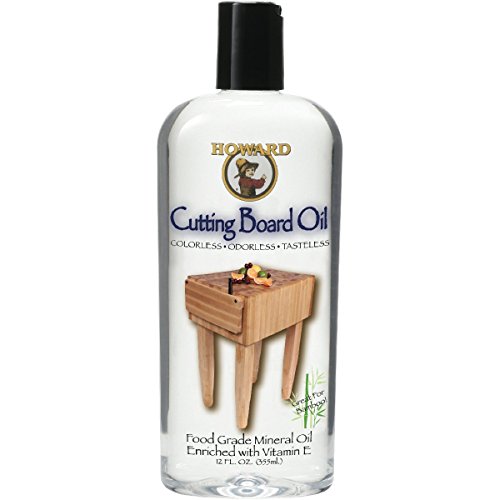
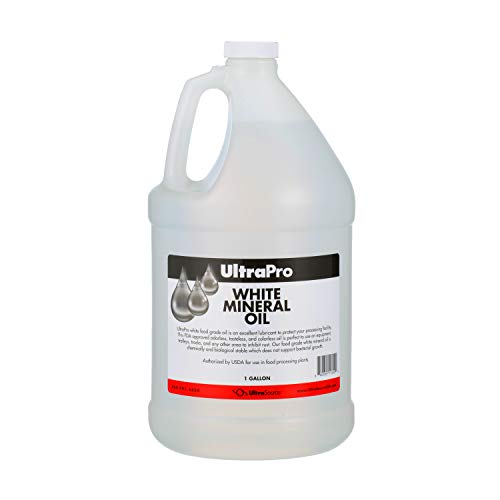
Food Grade Mineral Oil for Cutting Boards and Butcher Blocks



Long-Lasting
Oiling your cutting board should be a periodic task (once every three months), not a constant one. Choose an oil that creates a durable coat so it does not require frequent reapplication.
Deep Penetration
The purpose of oiling is for the product to penetrate into the wood’s pores, conditioning the fibres from the inside out. A good cutting board oil must be able to soak deeply into the wood rather than sitting on the surface.
Resistance to Rancidity
Always choose an oil that is resistant to rancidity. Oils that go rancid will affect the smell and taste of your food over time. Use a high-quality, stable oil that will not spoil. I have provided a well-researched breakdown of the best oils for wooden cutting boards under $35, including why food-grade mineral oil is widely recommended by professionals.
Step-by-Step: How to Oil a Wooden Cutting Board
Step 1 — Prepare Your Board
The first step is to adequately prepare your board. Wash it thoroughly with warm, soapy water and allow it to dry completely.
Washing the board first removes any food particles stuck to the surface. Once washed, stand the board upright and leave it to air-dry for several hours, or overnight (please tender some patience in this step). This ensures no moisture remains in the wood fibres before you apply oil. Oiling a wet board traps moisture inside the wood, which can cause warping.
Step 2 — Apply the Oil
Once the board is fully dry, apply oil generously across the entire surface. Food-grade mineral oil is widely considered the best option for oiling a wooden cutting board as it is food-grade (duhhh). It does not interfere with food and does not go rancid.
Pour a generous amount onto the surface and use a microfiber clean cloth or an applicator like this one from Amazon to spread it evenly across every inch of the board. Pay special attention to the end grain, as those edges are more porous and absorbent than the face of the board. Work the oil into the fibres thoroughly to maintain the integrity of the wood and guard against cracking and warping. This is the heart of how to oil a wooden cutting board. Patience and thoroughness at this stage determine how long the protection lasts.
Step 3 — Aftercare
Once the oil has been applied generously, leave the board undisturbed for several hours or overnight. This resting period allows the oil to soak deeply into the wood fibres. After the oil has fully absorbed, use a clean and dry microfiber cloth to wipe away any excess. This leaves the board surface smooth, non-sticky, and ready for use.
Final Thoughts
Wooden cutting board maintenance does not have to be complicated. Understanding how to oil a wooden cutting board is a simple skill that makes a significant difference. Regular oiling conditions the wood, prevents cracking and warping, supports sanitation, and keeps your board looking beautiful for years. The process takes very little time, wash, dry, oil, rest, and wipe, and the results are well worth the effort.
Related: If you enjoy this article, and you are planning on getting your cutting board, you should read this to to be well informed and to guide your decision between choosing a wooden or plastic cutting board
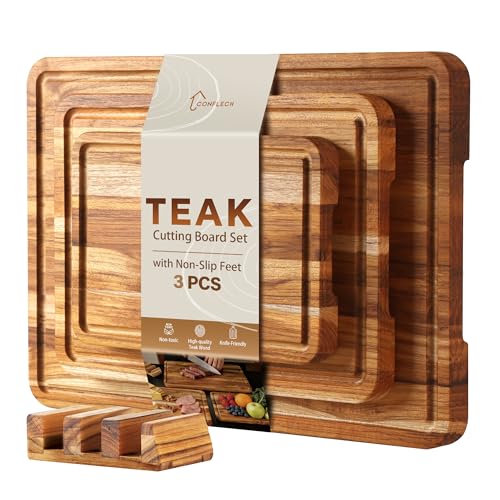
Best wooden cutting boards
Our recommendations






Frequently Asked Questions
How often should I oil my wooden cutting board?
The answer to how often you should follow the how to oil a wooden cutting board process depends on usage, at least once a month under regular use. If the board is used daily or begins to look dry and dull, oil it more frequently every two to three weeks. A good way to test whether the board needs oiling is to sprinkle a few drops of water on the surface; if the water soaks in immediately rather than beading up, it is time to re-oil.
Can I use olive oil or vegetable oil on my wooden cutting board?
No. Olive oil, vegetable oil, and other cooking oils are not suitable for oiling a wooden cutting board. These oils are prone to going rancid inside the wood, which produces an unpleasant smell and can affect the taste of food prepared on the board. The best oils to use are food-grade mineral oil, pure tung oil, or board creams and board conditioners formulated specifically for wood.
How long should I leave the oil on before wiping it off?
After applying oil to your wooden cutting board, leave it to absorb for a minimum of four to six hours. For best results, leave it overnight. The longer the oil is allowed to sit, the deeper it penetrates into the wood fibres. Once the absorption period is complete, use a clean, dry microfiber cloth to remove any excess oil remaining on the surface before using the board again.
This article contains affiliate links #ad



Loved by our customers


Wooden Utensil Holder
Wood Cutting Boards
Walnut Wooden French Bread Slicer for Baguettes, 1 inch thick slices
Living Room