






Are wood cutting boards heat resistant?
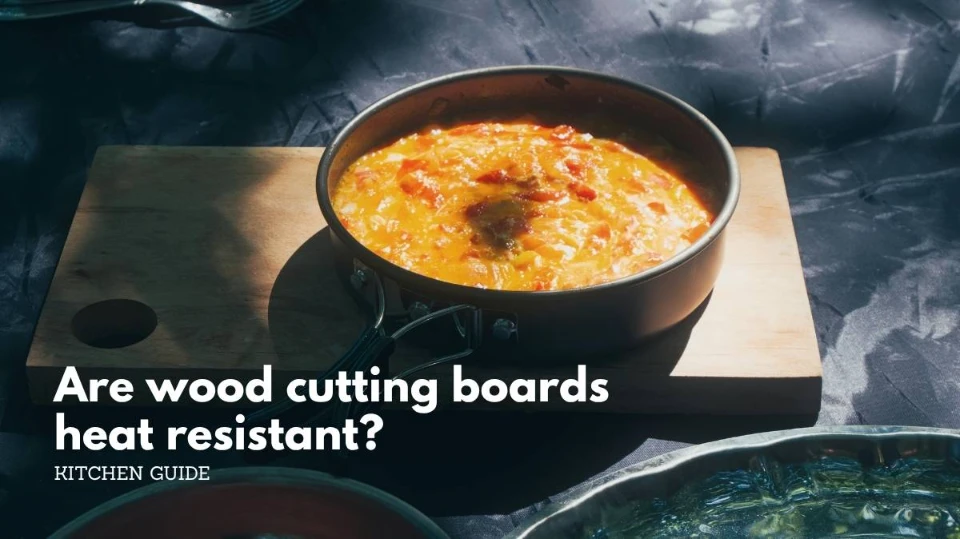
Are wood cutting boards heat resistant? It’s a question many home cooks and chefs get wrong, and the answer could be quietly damaging your board.
This article will address that concern by highlighting the attributes and components of wood to determine whether a wood cutting board is heat resistant. It will also inform you of the heat-resistance specifications for each wood.
Wooden cutting boards are an essential tool in modern kitchen setups. They are known for their durability, functionality, and the beauty they add to the kitchen.
To make wooden cutting boards last longer, they need to be properly maintained, which involves knowing the heat resistance limit they can withstand before they begin to experience damage.
Table of Contents
Are Wood Cutting Boards Heat Resistant? Understand Temperature Limits
Wood cutting boards are not heat resistant in the way metal or silicone surfaces are. They are best suited for cool to room temperature use, and the ideal storage and ambient conditions for a wood cutting board sits between 0°C to 40°C (32°F to 104°F).
When it comes to direct heat contact, such as placing a hot pan or pot on the board, wood begins to show stress at temperatures above 150°F (65°C). At this point, the moisture inside the wood evaporates rapidly, causing the fibres to contract unevenly, which leads to warping, cracking, or splitting over time.
This is why, despite some woods like maple handling brief exposure to higher temperatures, no wood cutting board is designed to withstand direct, sustained heat. The individual wood thresholds covered later in this article apply only to short, incidental contact, not regular or prolonged heat exposure.
It’s strongly advised to always use a trivet for anything coming straight off the burner. Placing a hot pot directly on wood can scorch the surface and compromise the oil seal entirely.
Factors Affecting Heat Resistance
Different factors can affect the heat resistance of the wood cutting board.
Thickness
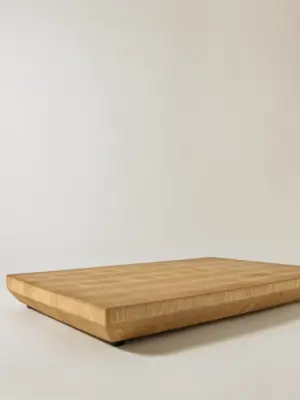
The thickness of the wood varies widely, and this can affect how well the cutting board holds up in the face of heat. A thicker cutting board will have better heat resistance than a thinner one.
This should also be a factor to be considered when getting your cutting board. Your kind of usage should determine the thickness.
Finish
Another big factor is the kind of finish that is used on the wood. Certain finishes can provide a barrier against heat, helping the wood to stay in top condition and also providing some resistance.
Make sure to pick a food-safe finish.
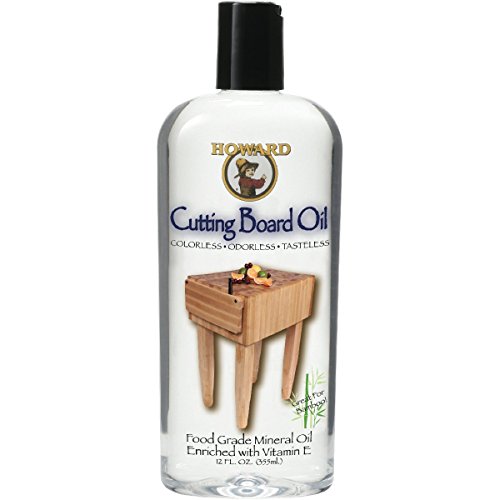
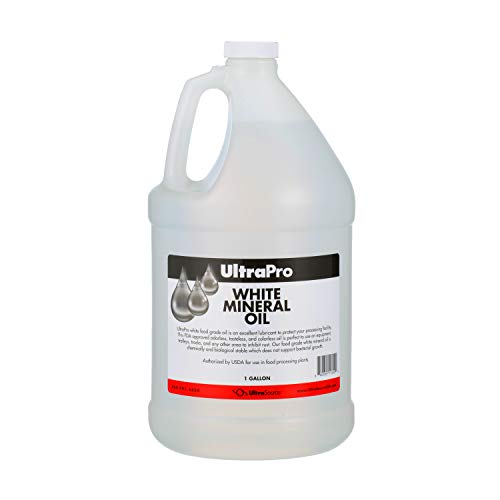
Food Grade Mineral Oil for Cutting Boards and Butcher Blocks




Maintenance
Proper maintenance of the wood cutting board can make it last longer. This can be done through regular oiling, which will prevent the cutting board from cracking and drying.
Different Wood Response to Heat
Cherry Wood Cutting Board
Cherry wood is recognizable for its rich color and unique grain pattern. When it comes to heat resistance, cherry wood performs well, but it can be damaged when in contact with prolonged heat. Damages can be discoloration, warping, or cracking.
Cherry wood’s heat resistance depends on factors like board thickness and finish. Cutting boards made from it typically handle up to 350°F (177°C) for short periods without major damage. Exceeding this raises the risk of heat damage.
Related: If you are unsure which kitchen tools best complement your setup, our guide on must-have kitchen tools every home cook needs is a great place to start.
Best Thick Cherry Wood Cutting Board Built to Resist Heat Damage

John Boos Block CHY-R01 Cherry Wood Edge Grain Reversible Cutting Board, 18 Inches x 12 Inches x 1.5 Inches
$94.36
Only 6 left in stock - order soon.
Condition: New
Buy on AmazonWalnut Wood Cutting Board
Walnut is known for its deep, rich hues and striking grain patterns, making it a top option for chefs and homeowners.
For heat resistance, it performs similarly to cherry wood around 350°F (177°C) for short periods; both share comparable tolerance levels, but prolonged exposure to high temperatures can cause damage. Avoid placing very hot pots or plates directly on a walnut cutting board, as this risks warping and other surface damage.
Best Thick Walnut Cutting Boards Built to Handle Heat, Heavy Use, and Daily Kitchen Life


Live Edge Black Walnut Cutting Board – Amish Handmade in…
$57.95
Only 6 left in stock - order soon.
Buy on Amazon
Small Live Edge Black Walnut Cutting Board, American Amish Handmade,…
$34.95
Only 2 left in stock - order soon.
Buy on Amazon
John Boos R-Board Series Rectangular Wooden Walnut Cutting Board 20”x15”…
$187.16
Only 19 left in stock - order soon.
Buy on AmazonMaple Wood Cutting Board
What makes a maple wood cutting board a good fit for homeowners and chefs is its durability, excellent grain pattern, and light colour.
When it comes to heat resistance, maple is a stronger wood compared to cherry and walnut. Maple can stand the test of time when it comes to withstanding high heat pressure without any significant damage or changes. Maple cutting boards are assumed to have a heat threshold of 400°F (204°C) for short durations.
Best End Grain Maple Cutting Boards for Superior Heat Resistance


What to do after Heat Exposure
It happens in situations when you forget that you left a hot pot on the board, and then you have a dark mark on the board staring back at you. The damage isn’t always sudden but slow. In such a situation, there is something you can do to remedy the situation.
You should begin with sanding. A light sand on the affected area can smooth the surface of earlier discoloration or warping before it becomes a permanent problem. It won’t erase the mark, but can slow the effect down.
After sanding, you should put oil. Most people don’t recognise the essence of this step. It’s very important because heat pulls out moisture from wood fast. When you re-oil the wood after exposure to heat, it puts back the most moisture into the wood, keeping the fibres from contracting further and cracking. With this, you know your board isn’t gone, but needs some timely attention.
Re-oiling is one of the most underrated recovery steps after heat damage. For a full breakdown of how to properly re-oil your wood cutting board after heat exposure, Cosmo Appliances’ maintenance guide walks through the process step by step.
What to Use Instead for Hot Items
It’s important to know that your wood cutting board isn’t meant to carry so much heat. Knowing this doesn’t limit the use of it, but adds direction to how you use it.
If you are dealing with hot pots and pans most of the time in your kitchen, you should get a silicone trivet. It’s your best option. It absorbs heat, doesn’t transfer it, and is very easy to clean, making it a good option. You can also try the stainless steel trivets; they work well and last longer.
Another option for something that feels natural is the cork mat. It is often an underrated option. It insulates heat well and does not take up much space.
Final Thoughts
When you get a cutting board, sometimes what causes heat damage is ignorance. Not properly aware of how to manage the beautifully admired grained cutting board that was brought home.
Wood cutting boards are essential to the kitchen and are built to last, but they have limits. They aren’t designed to handle heat. A lot dwell on this ignorantly, but now that you are aware, you can be able to handle your cutting board well. This information will help you to pick the right temperature range, the right wood, the right finish, and the right maintenance. The compilation of these decisions will add up to your choice of wood cutting board and make it last longer without warping and cracking.
Related: Wood is one of the most reliable materials you can bring into your kitchen, and it goes beyond cutting boards. Discover the 7 amazing benefits of wooden kitchen utensils and why they deserve a place in every home cook’s kitchen.
Frequently Asked Questions
Are wood cutting boards heat resistant?
Wood cutting boards are not heat resistant the way metal or silicone surfaces are. The best way to understand how wood cutting boards handle heat is to know that they can tolerate brief, incidental contact with warm items, but are not designed for direct or sustained heat exposure. Prolonged heat causes warping, cracking, and discoloration.
What happens if I place a hot pan on my wood cutting board?
Placing a hot pan directly on a wood cutting board can scorch the surface, strip the oil finish, and cause the wood fibres to contract unevenly, leading to cracks over time. If it happens accidentally, sand the affected area lightly and re-oil the board immediately to restore moisture.
What should I use instead of a wood cutting board for hot items?
For hot pots and pans, a silicone trivet is your best option as it absorbs heat without transferring it. Stainless steel trivets and cork mats are also reliable alternatives that protect your wood cutting board from heat damage.
This article contains affiliate links #ad
Loved by our customers

Wooden Utensil Holder
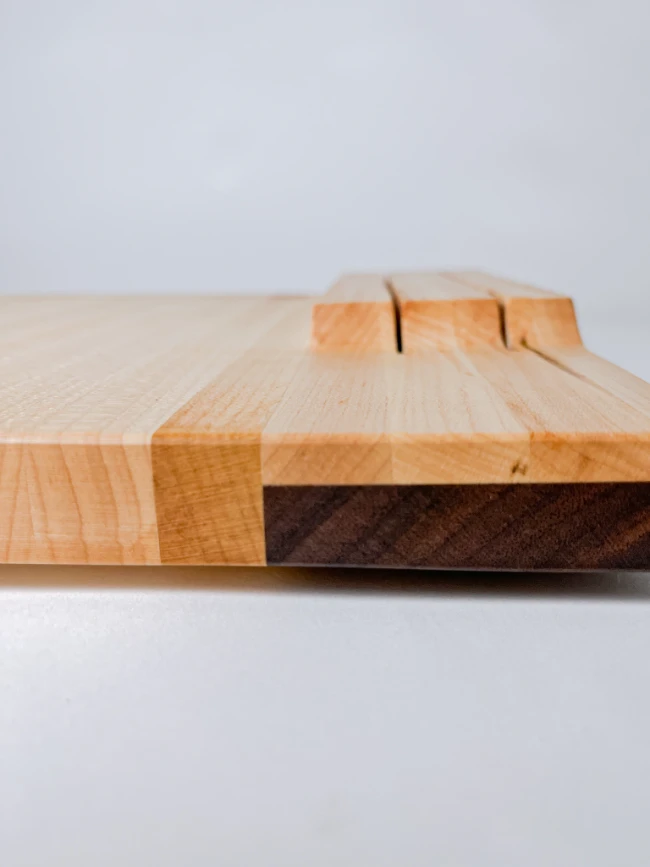
Wood Cutting Boards
Walnut Wooden French Bread Slicer for Baguettes, 1 inch thick slices
Living Room