







Can coconut oil be used to season a cutting board?
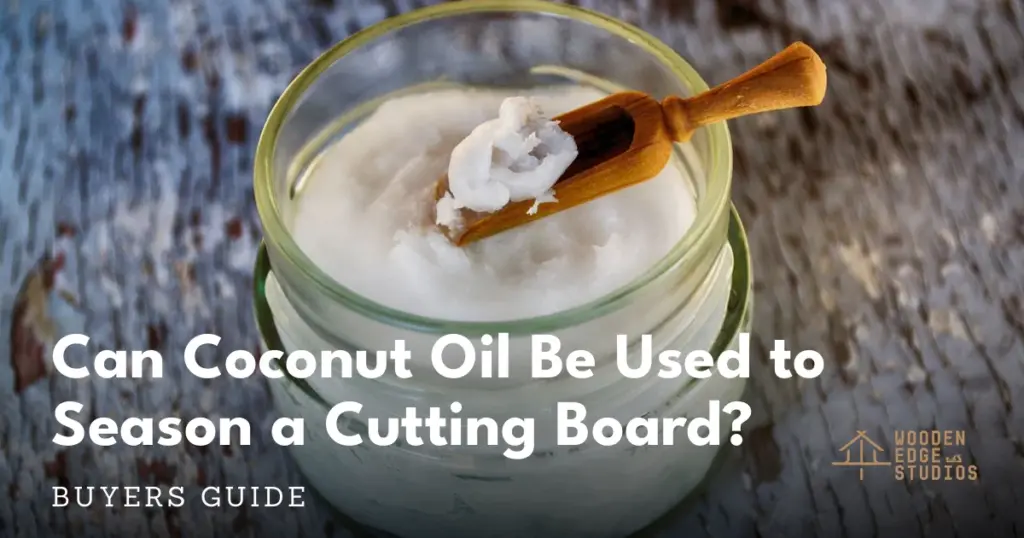
Coconut oil is one of those ingredients that seems like it should be good for everything. It is food-safe, natural, smells pleasant, and you probably have a jar of it sitting in your pantry right now. So when your wooden cutting board looks dry and dull, reaching for the coconut oil makes sense. Kind of.
The answer is not a flat no, but it comes with a real caveat that changes the math for most people. Understanding why requires knowing a bit about how different oils behave in wood over time.
Here is what you actually need to know about using coconut oil on a cutting board, what the better alternatives are, and the right way to season and maintain a wooden board so it lasts for decades.
Short version: Refined coconut oil works in a pinch but can go rancid over time, particularly in warm kitchens. Food-grade mineral oil is the correct long-term choice: it is stable, odorless, tasteless, and does not spoil. If you are out of mineral oil and only have coconut oil, use it once. For regular maintenance, switch to mineral oil.
Table of Contents
The Short Answer: Yes, But There Is a Catch
Coconut oil is not toxic, not harmful, and will temporarily condition a dry wooden cutting board. In an emergency, it is a workable substitute.
The problem is rancidity. Coconut oil is a food-derived fat. Like all food oils that have not been specifically refined for stability, it will eventually oxidize and go rancid. In a warm kitchen, this can happen in weeks or months. When it does, your board will smell off and the rancid oil can transfer to your food.
This is not a theoretical concern. Anyone who has pulled out a cutting board that was oiled with olive oil or coconut oil six months ago and forgotten about has probably noticed that distinctive stale-fat smell. That is rancid oil.
The rancidity test: Smell your coconut-oiled board after 3-6 months, especially if your kitchen runs warm. If it smells like old fat or has any musty quality, the oil has turned. Strip it with dish soap and warm water, let it dry fully, and re-season with food-grade mineral oil.
Why Coconut Oil Is Tempting for Cutting Boards
Coconut oil’s appeal comes from a few real properties. It is high in saturated fats (around 90%), which makes it more stable than polyunsaturated oils like vegetable or sunflower oil. It has a pleasant mild scent. It is widely available. And at room temperature it is solid, which means it is easy to apply without dripping everywhere.
For someone who already has coconut oil in the kitchen and does not want to buy a separate product, it checks the obvious boxes. The issue is the long-term behavior, not the short-term application.
The Problem with Coconut Oil: It Goes Rancid
All food-derived oils contain fatty acids that undergo oxidation when exposed to air, light, and heat. This process – rancidification – produces aldehydes and ketones that smell unpleasant and can affect food flavor.
Coconut oil has a longer shelf life than most food oils due to its high saturated fat content, but it is not immune. A sealed jar in a cool pantry can last 2 years. Coconut oil applied to a warm wood surface in a kitchen environment is a different story. The thin film of oil soaked into open wood grain has significant surface area exposure to oxygen, heat, and repeated moisture cycles.
According to food science sources and cutting board artisans, the time-to-rancidity for coconut oil on a cutting board varies widely based on kitchen temperature and usage frequency, but 3-12 months is a common range in warm environments. Mineral oil does not have this problem because it is a refined petroleum product with no reactive fatty acid chains.
Refined vs. Unrefined Coconut Oil: Does It Matter?
Refined coconut oil has been processed to remove impurities, coconut solids, and some of the organic compounds that accelerate oxidation. It has less coconut scent and a higher smoke point (around 400 degrees F vs 350 for unrefined). For cutting board use, refined is the better choice if you are going to use coconut oil at all.
Unrefined (virgin) coconut oil retains more coconut scent and organic compounds, which means it can go rancid faster and leave more odor transfer. If you have both in your kitchen, use the refined version on the cutting board.
That said, neither version solves the fundamental long-term rancidity issue. Think of the refined vs. unrefined distinction as the difference between a mediocre option and a slightly less mediocre option.
The Best Oils for Seasoning a Cutting Board
1. Food-Grade Mineral Oil (Best Choice)
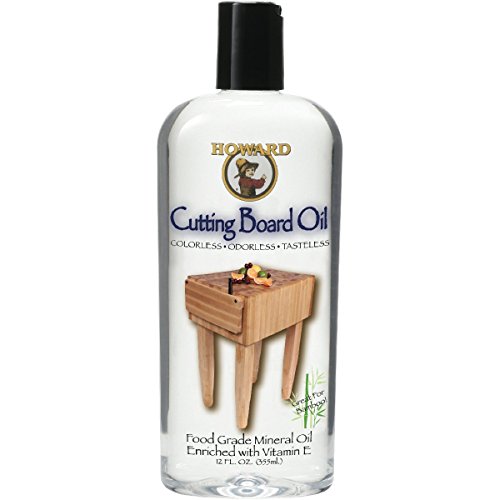
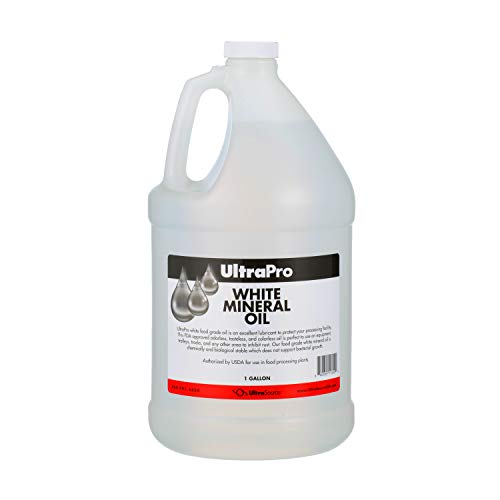
Food-grade mineral oil is a highly refined petroleum product specifically cleared for food-contact surface use by the FDA. It is colorless, odorless, tasteless, and does not go rancid. It penetrates deep into wood grain to condition and protect without sealing the surface. It is also inexpensive and available at any hardware store or pharmacy (sold as a laxative, which is the same product).




2. Cutting Board Conditioner (Best Finish Coat)
Board conditioners typically combine food-grade mineral oil with beeswax and sometimes carnauba wax. The mineral oil penetrates the wood and conditions it, while the wax component creates a harder protective film on the surface. This combination provides better water repellency than mineral oil alone. Use it as a finishing coat after the mineral oil has fully soaked in.


3. Pure Tung Oil (Best for Deep Penetration)
Pure (not polymerized) tung oil is a natural drying oil that hardens and polymerizes within the wood grain rather than staying liquid. It provides excellent moisture resistance. Food-grade versions are available. Note that tung oil from a hardware store (often mixed with solvents) is not food-safe — use only food-grade tung oil on cutting boards.


How to Season a Cutting Board Step by Step
Seasoning means applying enough oil to fully saturate the wood grain so that moisture, bacteria, and food odors cannot penetrate. For a new board or a badly dried-out board, this takes 3-5 coats applied over consecutive days.
- Wash and fully dry the board before starting (never oil a wet board)
- Apply a generous coat of food-grade mineral oil using a clean cloth, rubbing in the direction of the grain
- Let it absorb for a minimum of 2 hours, overnight is better
- Apply a second coat when the first has fully soaked in (the surface should not feel wet or tacky)
- Repeat for 3-5 total coats until the surface stops absorbing oil readily
- Finish with a thin coat of cutting board conditioner (mineral oil + beeswax mix) and buff to a light sheen
First-time board seasoning tip: Stand the board upright or prop it at an angle while the oil soaks in. This lets gravity help the oil penetrate from all sides and prevents pooling on one face. Rotate it every few hours to ensure even absorption.
For a full deep-dive on the seasoning process, see our complete guide on how to season a wooden cutting board.
How Often Should You Re-Oil?
A well-seasoned board used regularly in a typical home kitchen needs re-oiling every 1-3 months. Light-use boards can go longer between treatments. The actual indicator is the board itself, not the calendar.
- After heavy use: Monthly oiling keeps the protective layer intact
- Moderate home use: Every 2-3 months is typically sufficient
- Rarely used boards: Oil before storing for extended periods and once before returning to use
- After deep cleaning: Always re-oil after any deodorizing treatment (salt-lemon, vinegar, hydrogen peroxide) since these methods strip the oil layer
Signs Your Cutting Board Needs Oiling
Your board will tell you when it needs oil. Look for:
- Pale, whitish, or gray color in the wood grain (indicating dryness)
- Rough or slightly fuzzy surface texture
- Water soaks in immediately rather than beading on the surface
- The board feels dry and slightly rough under your finger
- Small surface cracks or checking starting to appear
- Food smells absorbing more readily than usual
Catching and treating dryness early prevents the more serious damage (cracking, warping, deep staining) that occurs when boards are chronically under-oiled. An ounce of mineral oil every couple of months is far cheaper than replacing a quality cutting board.
Can I use coconut oil to season my cutting board?
You can use refined coconut oil for occasional board seasoning, but it is not the recommended choice. Coconut oil is a saturated fat that can go rancid over time, especially in warm kitchens, leading to unpleasant odors and off-flavors. Food-grade mineral oil is the gold-standard choice for cutting board maintenance — it is odorless, tasteless, and does not go rancid.
What oil is best for seasoning a wooden cutting board?
Food-grade mineral oil is the best choice for regular board maintenance. It is inexpensive, odorless, tasteless, colorless, and does not spoil. For additional protection, you can follow up with a beeswax-based board conditioner that combines mineral oil and carnauba or beeswax for a harder protective finish.
Can olive oil be used on a wooden cutting board?
Olive oil is not recommended for cutting board oiling. Like coconut oil, olive oil is a food-derived oil that goes rancid over time, which creates an unpleasant smell and can affect food flavors. Stick to non-food-grade mineral oil, which is specifically refined to be stable and non-rancid.
How do I know when my cutting board needs oiling?
The easiest test: run your finger across the surface. If it feels rough, dry, or if you can see a whitish or pale color in the wood grain, it needs oiling. Another test: drop a few drops of water on the surface. If the water soaks in immediately rather than beading up, the wood is too dry and the oil barrier has worn down.
How long does it take for mineral oil to soak into a cutting board?
Allow the oil to absorb for at least 2 hours, though overnight is ideal for a first seasoning or a badly dried-out board. Apply a second coat after the first has fully soaked in. For new boards, a 3-coat initial seasoning — applied over 3 separate days — builds a thorough protective layer throughout the wood.
This article contains affiliate links #ad



Loved by our customers


Wooden Utensil Holder


Wood Cutting Boards
Walnut Wooden French Bread Slicer for Baguettes, 1 inch thick slices
Living Room