







Does White and Wooden Bedroom Furniture Clash?

Interior design rules have been written, broken, and rewritten so many times that most of them are barely worth the wall space they hang on. The idea that white and wooden bedroom furniture clash is one of those rules that sounds authoritative until you see dozens of stunning bedrooms that prove it completely wrong.
The short answer is no, they do not clash, and they often pair beautifully. The longer answer involves understanding why the combination works, which combinations of wood tones and white finishes hit the sweet spot, and which pairings require a bit more care to pull off well.
Whether you are furnishing a new bedroom or trying to mix pieces you already own, this guide covers everything you need to know to make white and wood work together in a space that feels intentional, not thrown together.
Quick answer: White and wooden bedroom furniture do not clash. They complement each other when you match the undertones in your white pieces to the warmth of your wood. Bright white pairs cleanly with light ash or maple. Warm off-white works beautifully with walnut and oak. The key is undertone consistency, not a perfect match.
Table of Contents
Why White and Wood Work Together
White is a neutral. And neutrals, by definition, do not clash with other colors or materials in the same way that competing hues do. White furniture acts as a visual breath, creating contrast without competing for attention. Natural wood tones bring warmth, organic texture, and depth that pure white alone cannot achieve. Together, they create a bedroom with balance: the crispness of white balanced by the earthiness of wood.
This pairing has appeared across virtually every design era. Scandinavian interiors have relied on white walls, white linens, and light wood furniture for decades a tradition rooted in the Scandinavian design movement that championed functionality and natural materials. The farmhouse style combines white painted furniture with raw wood accents almost universally. Modern organic interiors layer white linen with walnut, ash, and oak. The combination is not a trend. It is a design principle that holds up because it reflects the natural world: snow on branches, white birch bark against dark forests, bleached driftwood on sand.
The reason some white-and-wood bedrooms miss the mark is usually not the combination itself. It is a mismatch in undertones, a lack of intentional repetition, or too many competing wood tones in one space. All of those problems are solvable once you know what to look for.
Understanding Wood Tones and White Undertones
Here is the nuance most people skip, and it is why some white-and-wood rooms look polished while others feel slightly off. White furniture is not all the same white. Bright white (pure, cool white with blue or grey undertones) pairs naturally with lighter, cooler wood tones like maple, white oak, birch, and ash. Warm white or off-white (with yellow, cream, or beige undertones) pairs far better with medium and dark warm woods like walnut, cherry, and red oak.
When you pair cool-toned white furniture with a warm, red-toned wood like cherry without any bridging element, the visual result can feel slightly incoherent. The two pieces seem to belong in different rooms. Add a warm-toned area rug, warm lighting, or swap to an off-white that picks up the golden tones in the cherry, and suddenly the same two pieces work beautifully together.
Design tip: Hold your white furniture swatch next to your wood sample in natural daylight, not under artificial lighting. What looks fine under warm bulbs can look mismatched under bright daylight. Natural light reveals undertones that tungsten or LED lighting masks.
You do not need to be a color theory expert to apply this. Look at the wood and ask: does it read warm (golden, amber, reddish, brownish) or cool (grey, silver, pale)? Then look at the white and ask the same question. Matching warm to warm and cool to cool is the single most reliable rule in mixing these materials.
Best Wood and White Combinations by Style
Different design aesthetics favor different pairings. Knowing which style you are working toward makes the selection process straightforward.
Scandinavian / Minimalist
Bright white paired with light ash, maple, or white oak (a species extensively documented by the USDA Forest Products Laboratory for its pale, even-grain appearance) is the signature of Nordic interiors. The room feels airy, clean, and spacious. White walls, a white bedframe, and natural wood nightstands in a light species create a cohesive, calming environment. Keep textiles in natural linen or wool to reinforce the organic quality of the wood.
Farmhouse / Cottage
Off-white painted furniture with reclaimed wood or pine accents captures the farmhouse look that Lara (one of our primary reader personas) searches for on Pinterest at 10pm on a Tuesday. The painted white pieces anchor the room, and the natural wood brings character and texture. A whitewashed wood headboard combines both in a single statement piece.
Modern Organic / Contemporary
Bright white or warm white paired with medium-dark walnut is one of the most sophisticated combinations in contemporary bedroom design. The contrast is high but the warmth of walnut keeps it from feeling sterile. This pairing suits master bedrooms where the goal is a retreat-like quality rather than playful energy.
Traditional / Classic
Off-white or antique white with cherry or mahogany has a formal, timeless quality. This combination works best in larger bedrooms with high ceilings where the richness of dark wood can breathe. Keep hardware in aged brass or matte black to tie the two materials together and avoid the bedroom looking like a furniture showroom floor.
Common Mistakes That Create Actual Clashing
Most clashing in white-and-wood bedrooms comes from predictable errors. Knowing them upfront saves you from an expensive decorating do-over.
- Too many competing wood tones: Three different wood species in three different tones in one bedroom reads as chaotic. Limit yourself to one primary wood tone and one accent wood that is clearly different (light and dark, for example), or repeat the same wood throughout.
- Mixing warm and cool whites: Two different white pieces with visibly different undertones look like a mismatched set. If you are buying new white furniture, stick to the same manufacturer or finish line to guarantee consistency.
- Ignoring the floor: A dark wood floor that fights with the wall-mounted white furniture or the lighter wood bed frame will undermine the whole room. Factor your flooring into the undertone equation.
- No bridging element: When white and wood pieces are placed side by side without a visual connector, the contrast can look stark. A rug, a throw, or a headboard that incorporates both materials ties the room together naturally.
Rule of thumb: Repeat each major material at least twice in the room. If you have one white dresser and one wooden nightstand with no further repetition of either material, the room feels incomplete. Two or more instances of each material creates intentional design rather than accidental mixing.
How to Mix Existing Pieces You Already Own
Not everyone is starting from scratch with a blank bedroom. Most people have a mix of pieces already in the room and are trying to make them work together without buying an entirely new set. Here is the practical approach.
First, identify your dominant material. If you have more wood pieces than white pieces, let wood be the anchor. If you have more white, let white lead. The majority material sets the tone and the minority material plays the supporting role. Do not try to give both equal weight unless the room is very large and you can use clear spatial separation to group them.
Second, use textiles as the unifying layer. A bedspread, throw pillows, curtains, and a rug that pull from both the warm tones in the wood and the neutral quality of the white create visual continuity. Natural textures, linen, cotton, and wool, work particularly well because they share a material affinity with both wood and white.
Third, if two pieces genuinely do not work together despite your best efforts, consider painting one. A wood piece painted white joins the white camp. Or consider whether you actually need both: sometimes the honest edit is removing the piece that does not belong rather than trying to force it into a composition that will never feel right. For inspiration on what makes wooden bedroom furniture look its best, see our post on whether you can paint a wooden bedroom set. And for the full picture of what to have in a bedroom for a cohesive look, see our guide on 10 essential items to put in a bedroom.
The Final Word on White and Wood Bedrooms
White and wooden bedroom furniture do not clash. They complement each other in every design style from minimalist to traditional when you pay attention to undertone matching, limit competing wood tones, and use textiles to bridge the gap. The combination works because it mirrors natural contrasts that human vision finds inherently pleasing.
The rooms that do not work are not failing because of the combination. They fail because of undertone mismatches, too many competing finishes, or no visual connective tissue between the pieces. Fix those problems and you will find that white and wood is not just an acceptable pairing. It is one of the most versatile and enduring combinations in bedroom design.
Does white furniture go with wood floors?
Yes. White furniture and wood floors are one of the most classic combinations in interior design. The key is matching undertones: bright white furniture works best with cooler grey or pale wood floors, while off-white or cream furniture pairs better with warm oak, cherry, or walnut flooring.
What color wood goes with white bedroom furniture?
Light wood tones like maple, ash, and white oak pair naturally with bright white. Walnut and dark oak work beautifully with off-white or warm white furniture. The best combination is one where both the wood and the white share the same warm or cool undertones rather than pulling in opposite directions.
How do you mix white and wood furniture without it looking mismatched?
Choose one dominant material, repeat each material at least twice in the room, and use textiles in natural fibers to bridge the contrast. Limit yourself to one or two wood tones rather than three competing species. Consistent undertones between your white pieces is the most important single factor.
Is a mix of wooden and white furniture a design trend?
It is more accurately a design constant than a trend. White and wood combinations appear across Scandinavian, farmhouse, contemporary, and traditional styles. The pairing has been popular for decades and shows no sign of fading because it mirrors natural contrasts found in the organic world.

10 Essential Items To Put In A Bedroom For Comfort
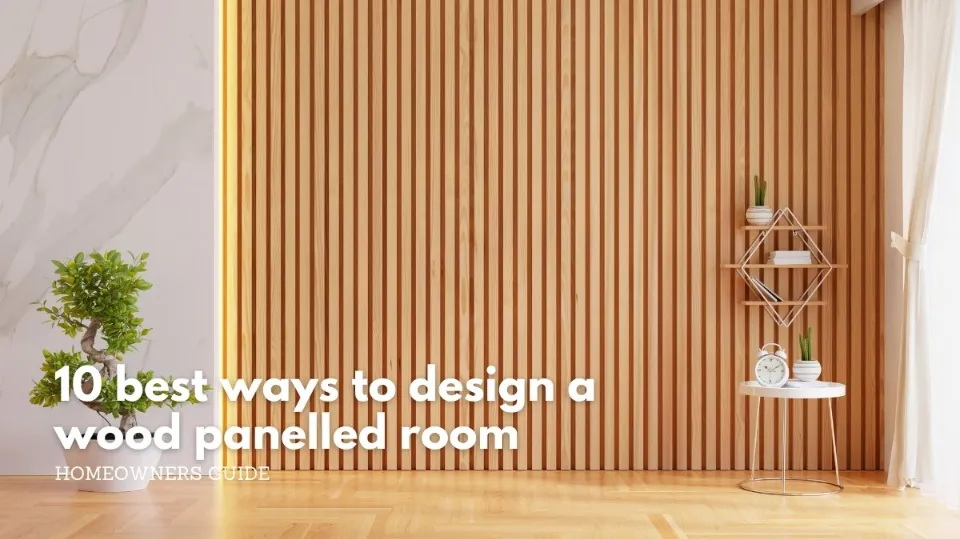
10 best ways to design a wood panelled room

Pressed Wood Vs Real Wood: Which One is Right for You?

Does Wooden Furniture Absorb Water? Everything You Need To Know

Why Is Walnut The Best Wood For Kitchen Utensils?

Neglect These 10 Tips And Ruin Your Wooden Table’s Charm
Loved by our customers


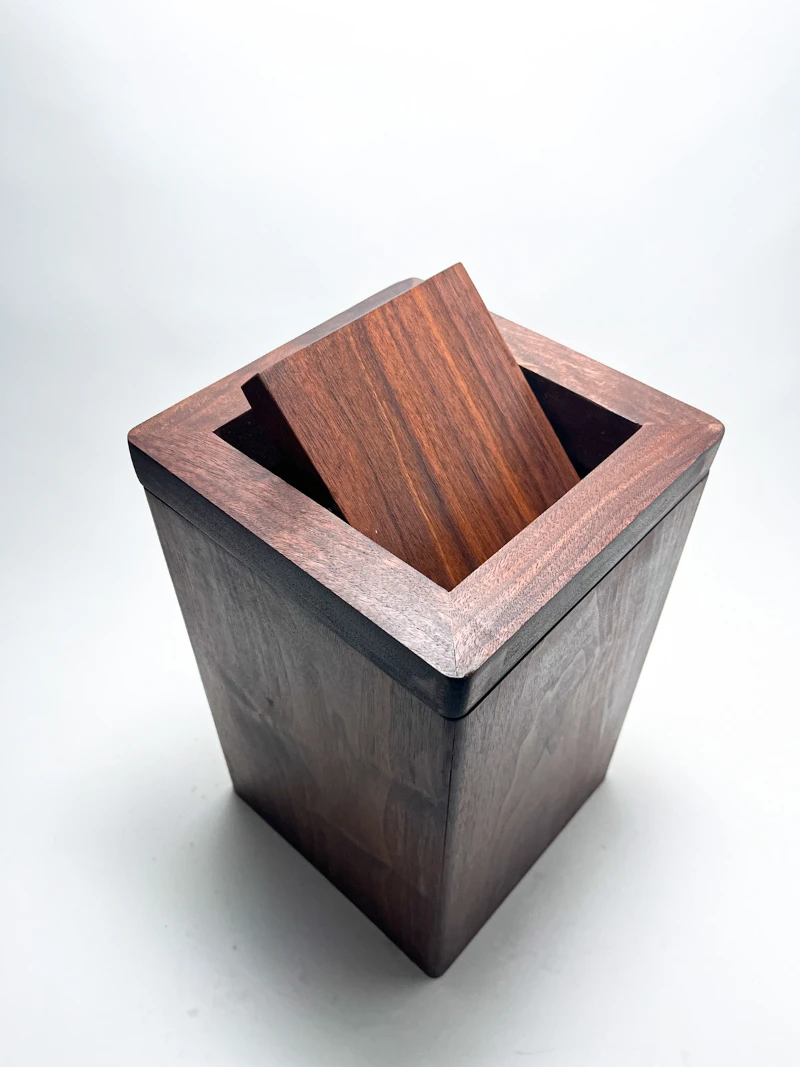
Wooden Utensil Holder
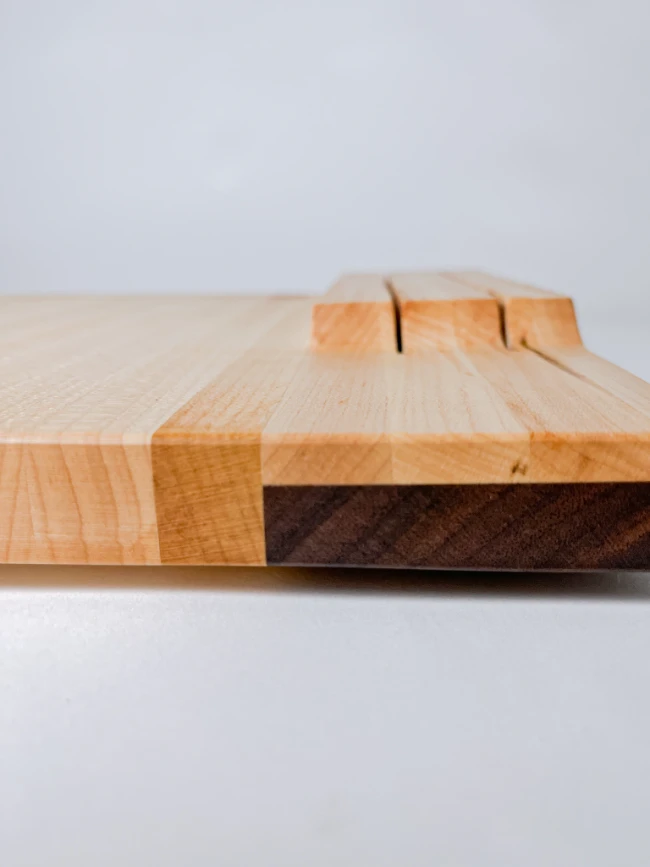
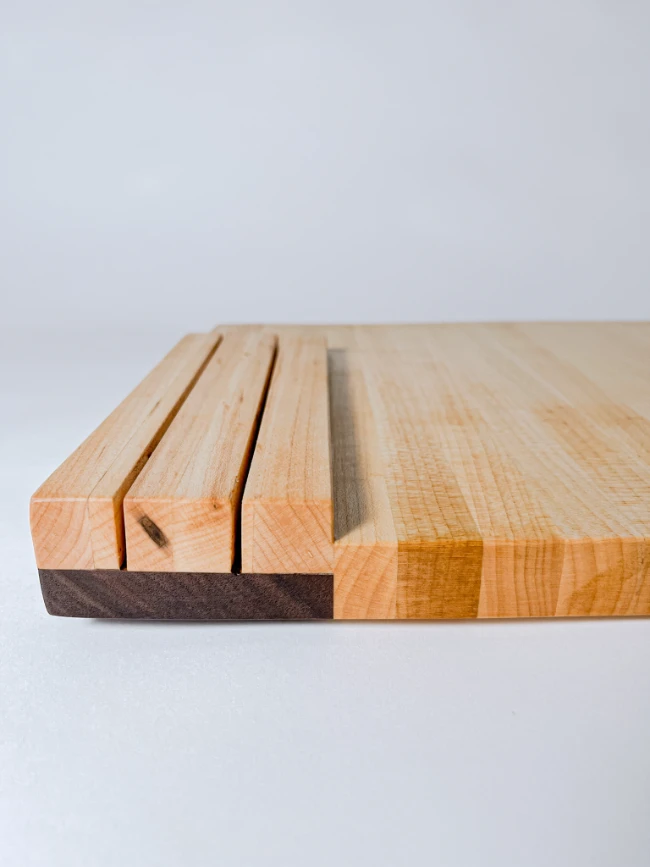

Wood Cutting Boards
Walnut Wooden French Bread Slicer for Baguettes, 1 inch thick slices
Living Room