







How to Clean a Wooden Cutting Board After Raw Meat

You just finished slicing raw chicken on your wooden cutting board. You give it a quick rinse, maybe a swipe with dish soap, and call it done. Here is the part nobody tells you: that rinse is not enough. Bacteria like Salmonella and Campylobacter can survive in the knife grooves and grain of your board long after the water goes down the drain. The risk is real, and the fix is actually simple once you know the right steps.
Cleaning a wooden cutting board after raw meat is not complicated, but it does follow a specific order. Skip a step and you are not sanitizing anything. You are just moving bacteria around in warm water and calling it a win. This guide walks you through the complete process, from the initial rinse to sanitizing to proper drying, so your board stays food-safe and lasts for years.
Whether you are dealing with chicken, pork, beef, or any other raw protein, the method is the same. The goal is to eliminate cross-contamination risk without wrecking the wood. That balance is where most people get it wrong. Fortunately, you are about to get it right.
Food Safety Alert: According to the USDA Food Safety and Inspection Service, wooden cutting boards can harbor bacteria in small crevices and cuts from regular use. Proper sanitizing after every raw meat contact is non-negotiable for a safe kitchen.
Table of Contents
Why Raw Meat Is a Special Risk on Wooden Boards
Raw meat carries a lineup of pathogens that are genuinely dangerous in a kitchen setting. Salmonella, E. coli, Listeria, and Campylobacter are all common residents of raw poultry, beef, and pork. These bacteria do not need much encouragement to get into your food. A cutting board that looks clean can still transfer them to the next item you cut. That transfer is cross-contamination, and it causes an estimated 48 million foodborne illnesses every year in the United States alone.
Wood’s grain structure makes this more nuanced than it sounds. Studies from UC Davis found that wood can actually draw bacteria down into the grain, where those organisms eventually die off in the dry environment below the surface. That UC Davis research on cutting board safety showed that wooden boards recovered from bacteria contamination more effectively than plastic when properly cared for. The key phrase there is properly cared for. A cracked, deep-grooved, or improperly dried board creates a completely different environment where bacteria can survive much longer.
The risk goes up when you use the same board for raw meat and then immediately cut something ready-to-eat, like vegetables, bread, or fruit. You do not need a microscope to understand the problem. Juices from raw chicken sitting in those knife grooves will come right back up when you drag the next ingredient across the surface. This is exactly why learning how to clean a wooden cutting board after raw meat is a genuine food safety skill, not just a housekeeping preference.
If you want to take your overall board hygiene to the next level, it also helps to understand how to sanitize a wooden cutting board as a regular maintenance practice, not just a post-meat emergency protocol.
Step-by-Step: How to Clean the Board Immediately
The first few minutes after raw meat contact matter the most. Meat juices and proteins bond to wood quickly, and the longer they sit, the harder they are to remove and the longer any bacteria have to colonize grooves. Act promptly, and this process stays fast and effective.
Step 1: Scrape off solids immediately
Use a bench scraper or the back of your knife to push any meat residue, fat, or visible debris into the trash or a waste bowl. Do not rinse first. Rinsing with hot water right away can actually set proteins into the wood grain, similar to what happens when you wash a blood stain with hot water. Get the solids off the surface before water touches the board.
Step 2: Wash with warm water and dish soap
Add a small amount of dish soap to the board and scrub with a stiff-bristled brush using warm (not hot) water. Scrub in the direction of the wood grain to push debris out of the grooves rather than deeper in. Dish soap is effective at breaking down fats and removing surface bacteria. Contrary to what some old-school advice says, dish soap is completely safe on wooden boards when used in normal amounts. Rinse thoroughly with warm water.
Step 3: Use coarse salt for stubborn residue
If you have visible staining or persistent residue after soaking, sprinkle a generous amount of coarse kosher salt over the board while it is still damp. Rub it in using the cut side of a halved lemon. The salt acts as a mild abrasive while the lemon provides natural acidity and a fresh scent. This is a traditional method that works well for surface cleaning without risking damage to the wood. Rinse clean after scrubbing.
Important: Never submerge your wooden cutting board in water or run it through the dishwasher. Prolonged water exposure causes the wood to warp, crack, and split. Those cracks become permanent bacteria traps that no amount of cleaning can fix. Wash it quickly and dry it immediately.
How to Sanitize a Wooden Cutting Board After Raw Meat
Washing removes visible contamination. Sanitizing kills the bacteria that washing leaves behind. These are two different steps, and both are necessary after raw meat contact. Most home cooks do the first step and skip the second entirely. That is the gap where foodborne illness risk actually lives.
Method 1: White vinegar spray
Undiluted white vinegar is one of the safest and most accessible sanitizers for wooden cutting boards. After washing, spray or wipe the entire surface with full-strength white vinegar and let it sit for five minutes before rinsing. Vinegar’s acetic acid content is effective against a broad range of bacteria, including E. coli and Salmonella. According to guidance on whether vinegar is safe to use on wood, diluted applications are generally fine, and the brief contact time of this method poses no risk to the board’s surface. Do not use vinegar more than two to three times per week, as frequent application over months can slightly dry the surface. Rinse and dry after each use.
Method 2: Diluted bleach solution
For a more powerful sanitize after contact with high-risk proteins like raw poultry, a diluted bleach solution is the gold standard recommended by the USDA FSIS. Mix one tablespoon of unscented liquid chlorine bleach per gallon of water. Apply to the board surface, let it stand for a few minutes, then rinse thoroughly with water and allow to air dry. Use this method sparingly on wooden boards. Over time, frequent bleach use will dry and lighten the wood. Reserve it for high-risk situations, not your daily routine.
Method 3: Hydrogen peroxide
Three percent hydrogen peroxide, the standard strength sold in drugstores, makes an excellent wood-safe sanitizer. Apply it to the clean, washed board and let it fizz for two to three minutes. The fizzing action indicates active oxidation, which destroys bacteria on contact. Rinse and dry immediately. Hydrogen peroxide is gentler on wood than bleach and slightly more effective than vinegar, making it a solid middle-ground choice for regular post-meat sanitizing. If you are looking for a commercial option to keep handy, a food safe cutting board sanitizer under $15 can handle this job conveniently without mixing anything yourself.
Food-Grade Mineral Oil: Conditioner, Not Sanitizer
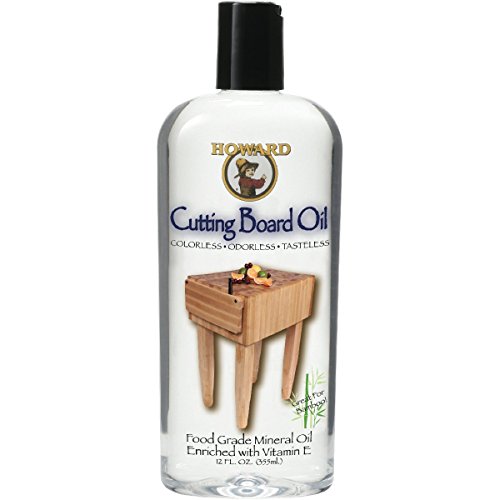
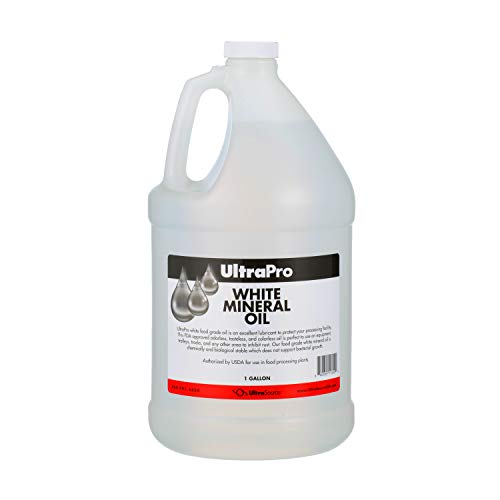
One important clarification: food-grade mineral oil is not a sanitizer. It is a conditioner that protects wood from moisture and cracking. Apply it after sanitizing, not instead of it. That said, a well-oiled board is harder for bacteria to penetrate, because the oil creates a moisture barrier in the grain. We will cover the full oiling process in the care section below. A quality food-grade mineral oil like Kate Naturals (8oz, under $9) is the standard recommendation across professional kitchens and food safety resources. The FDA lists food-grade mineral oil as an approved food contact substance, so it is safe to use on surfaces that touch food.
Best Food-Grade Mineral Oils for Cutting Board Care




Drying Correctly: The Step Most People Skip
You washed it. You sanitized it. You are done, right? Not quite. Improper drying is one of the most overlooked contributors to bacterial survival on wooden cutting boards. A board left flat and wet on the counter after cleaning creates exactly the warm, moist conditions that bacteria need to recover and multiply. Even a clean board can become re-contaminated if it is stored wet in a closed cabinet or stacked against other boards while damp.
After rinsing, shake off excess water and stand the board upright against a wall or a dish rack so air can circulate on both sides simultaneously. Flat drying allows moisture to pool on the surface and can cause the board to absorb that moisture unevenly, which leads to warping over time. Vertical drying solves both the bacterial and the structural problem at once. Give the board at least thirty to forty-five minutes of air exposure before storing it.
If your kitchen runs humid or the board is extra wet, a quick wipe with a clean dry towel before standing it up speeds things along. The goal is to get the surface dry to the touch before it goes back on the counter or into storage. A dry board does not support bacterial growth. That is your target state after every post-meat cleaning session.
Heat Check: Wondering whether you can speed up drying with an oven or direct heat? Think twice. Read our breakdown of whether wood cutting boards are heat resistant before using any heat-based drying method. Most wooden boards should not be exposed to temperatures above 150°F, and oven drying risks warping or cracking your board permanently.
Ongoing Care: Oiling and Protecting Your Board
Cleaning and sanitizing address what is happening on the surface of your board right now. Oiling addresses what happens over time. A board that dries out develops cracks and deep knife grooves at a faster rate, and each new groove is a potential bacterial hideout that becomes progressively harder to clean. Regular oiling is the single best thing you can do to extend the life of your board and maintain its food safety over months and years.
How often to oil your board
New boards should be oiled three to four times before first use, with each application allowed to absorb fully before the next. After that, oil your board roughly once a month under normal use conditions, or whenever the wood starts to look dry and matte compared to its usual tone. A simple test: sprinkle a few drops of water on the surface. If they bead up, the board is well-protected. If they absorb immediately, it is time to oil.
How to apply mineral oil
Start with a completely clean and dry board. Apply a generous layer of food-grade mineral oil like Thirteen Chefs (8oz, under $10) using a clean cloth or paper towel. Rub it into the grain in circular motions, covering the entire surface including the sides and back of the board. Let it soak in for at least four to six hours, or overnight for a deeply dry board. Wipe off any excess with a clean cloth. The board should feel smooth and slightly enriched, not slick or greasy.
Never use olive oil, vegetable oil, or any other food-based cooking oil on your cutting board. These oils go rancid inside the wood grain and produce an unpleasant smell that can transfer to your food. Mineral oil stays stable indefinitely because it does not oxidize. For a full overview of the best protective oils and what to avoid, our guide on cutting board maintenance covers every detail. You can also explore a budget-friendly option like Bambüsi food-grade mineral oil at around $6.74 if you are looking for an affordable entry point.
Common Mistakes That Create Cross-Contamination Risk
Knowing what not to do is just as valuable as knowing the right steps. These are the most common cutting board mistakes that quietly undermine kitchen food safety, even in homes where people think they are being careful.
Using one board for everything
The easiest way to prevent cross-contamination is to use dedicated boards for different food types. Keep one board for raw meat, poultry, and seafood. Use a separate board for produce, bread, and ready-to-eat foods. If budget or counter space is a constraint, at minimum clean and sanitize your board completely between raw protein and everything else. This single habit eliminates a huge percentage of cross-contamination risk in home kitchens.
Rinsing with hot water first
Hot water sets proteins into wood the same way it sets a blood stain into fabric. When you rinse raw meat residue under scalding water, you are essentially cooking those proteins into the grain of your board. Always use warm water for the initial rinse. Cold or lukewarm water loosens and removes protein residue far more effectively. Save the hot water for the final rinse after scrubbing with soap.
Skipping the sanitize step
A clean-looking board is not a sanitized board. Soap and water remove visible contamination and reduce bacterial load significantly, but they do not eliminate bacteria entirely. After any raw meat contact, a proper sanitizing step with vinegar, diluted bleach, or hydrogen peroxide is what pushes your board from “looks okay” to genuinely food-safe. Skipping this step after chicken contact, in particular, is where Salmonella and Campylobacter survive to cause problems the next time you use the board.
Leaving the board in a puddle
Flat storage on a wet counter is a setup for two different problems: warping and re-contamination. Standing the board upright to dry is a small habit change with significant long-term benefits for both food safety and board longevity. For deeper guidance on caring for specific board types, our post on keeping wooden surfaces clean without damaging the finish covers complementary techniques that apply to board care as well. Our full guide on cutting board maintenance also addresses proper storage in detail.
Ignoring deep grooves and cracks
Over time, a heavily used wooden cutting board develops cuts and grooves that accumulate bacteria and resist cleaning. If your board has deep cracks across the surface that you cannot clean out with a brush, it is time to retire it. No amount of sanitizing reaches bacteria sitting at the bottom of a quarter-inch crack. A well-maintained board with regular oiling resists this kind of deterioration significantly longer. The wooden vs. plastic cutting board comparison breaks down how the two materials age differently and when replacement makes sense for either type.
Our Top Picks: Wooden Cutting Boards
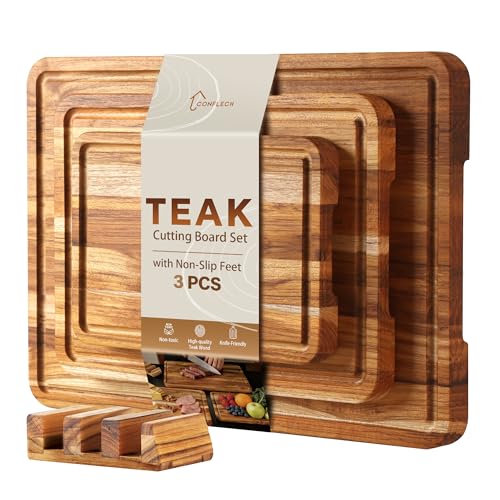
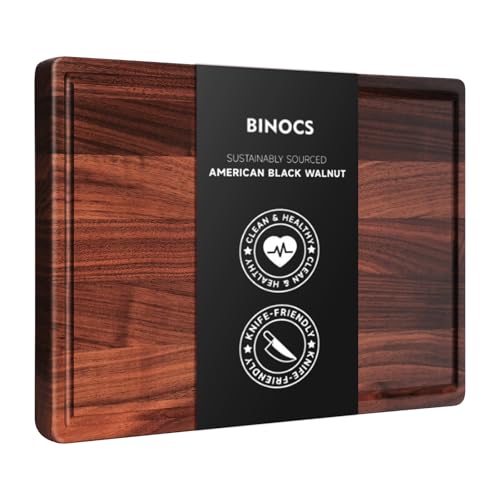
Not all wooden cutting boards are created equal when it comes to post-meat cleaning and food safety. The best options have tight grain construction that resists knife cuts, smooth finishes that do not harbor bacteria, and enough thickness to handle regular sanitizing without warping. Here are our top picks across a range of budgets, all well-suited for meat prep and daily kitchen use.
Best Boards for Meat Prep and Daily Kitchen Use
Top-Rated Wooden Cutting Boards Under $30





The Verdict: Your Board, Your Food Safety
This article contains affiliate links #ad
Can you use a wooden cutting board for raw meat?
Yes, you can use a wooden cutting board for raw meat, but only if you clean and sanitize it properly afterward. Wood has natural antibacterial properties that help draw bacteria into the grain where they die off, but this only works when the board is well-maintained, properly dried, and regularly oiled. Always clean and sanitize immediately after raw meat contact.
Does vinegar sanitize a wooden cutting board after raw meat?
White vinegar is an effective sanitizer for wooden cutting boards after raw meat. Apply undiluted white vinegar to the cleaned board, let it sit for five minutes, then rinse thoroughly. Vinegar’s acetic acid kills a broad range of bacteria including Salmonella and E. coli. It is gentler on wood than bleach, making it suitable for regular use after raw meat contact, though diluted bleach is more powerful for high-risk situations like raw poultry.
How long can bacteria survive on a wooden cutting board?
Bacteria can survive on an improperly cleaned wooden cutting board for several hours to several days depending on conditions. In knife grooves with moisture and food residue, Salmonella and E. coli can persist for 24 hours or longer at room temperature. Proper cleaning and sanitizing immediately after raw meat use, followed by thorough drying, eliminates this risk effectively.
Should I have separate cutting boards for meat and vegetables?
Yes, food safety authorities including the USDA recommend using separate cutting boards for raw meat and ready-to-eat foods like vegetables and fruit. This prevents cross-contamination even if cleaning is not done between uses. Color-coded boards are a popular solution. At minimum, always clean and sanitize your board completely before switching from raw protein to any ready-to-eat ingredient.
Can I put a wooden cutting board in the dishwasher to kill bacteria?
No. Never put a wooden cutting board in the dishwasher. The prolonged heat and water exposure causes the wood to warp, crack, and split, creating permanent deep grooves that become ideal bacterial hiding spots. Hand washing with warm water and dish soap, followed by a proper sanitizing step and vertical air drying, is the correct and board-safe method.




Loved by our customers


Wooden Utensil Holder

Wood Cutting Boards
Walnut Wooden French Bread Slicer for Baguettes, 1 inch thick slices
Living Room