







Wooden Utensils and Non-Stick Pans: What You Need to Know
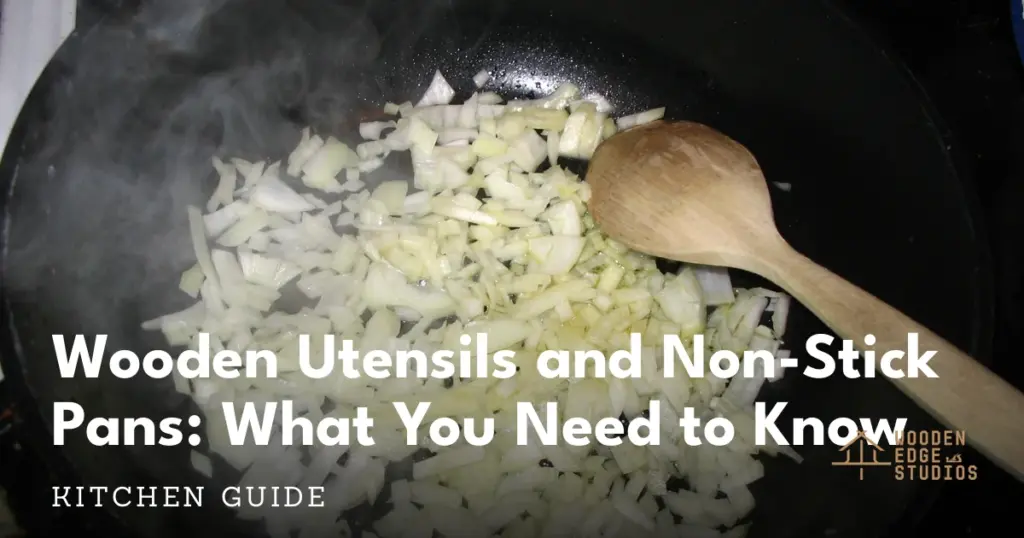
Your non-stick pan is one of the most useful tools in the kitchen — and also one of the easiest to ruin. The coating that makes scrambled eggs glide effortlessly out of the pan is surprisingly delicate, and the wrong utensil can scratch, flake, or degrade it faster than you’d expect. Choosing the right tool is not a minor detail. It’s a decision that protects your investment and keeps your food safe.
So where do wooden utensils land in all this? Good news: they are one of the best choices you can make for non-stick cookware. Wood is naturally soft enough to avoid scratching PTFE and ceramic coatings, it does not conduct heat into your hand, and it will not react with acidic foods the way some metals can. That said, not all wooden utensils are created equal, and a few common habits can shorten their lifespan significantly.
This guide covers everything you need to know — from the science of why wood works so well, to the specific wood types worth buying, to the care habits that keep your utensils in great shape for years. Whether you are outfitting a brand-new kitchen or reconsidering the drawer full of plastic spatulas, you are in the right place.
Quick Summary: Wooden utensils are safe on both PTFE (Teflon) and ceramic non-stick pans. They are gentle on coatings, heat-resistant, and naturally antibacterial when properly maintained. The key is choosing smooth, well-finished wood and keeping it dry between uses. Keep reading for the full breakdown.
Table of Contents
Why Utensil Choice Matters for Non-Stick Pans
Non-stick coatings work because of a thin, chemically bonded layer applied to the pan’s surface. On PTFE-based pans (commonly marketed as Teflon), that layer is only a few microns thick. On ceramic coatings, it is a silica-based gel applied at high temperature. Either way, the surface is not indestructible. Hard or sharp utensils — metal spatulas, wire whisks, stainless steel tongs — can scratch, chip, or wear through that layer over time.
Once the coating is scratched, you face two problems. First, the non-stick performance degrades quickly. Food sticks in the damaged areas, which defeats the whole point of owning the pan. Second, microscopic flakes from the coating can end up in your food. While the FDA considers PTFE a safe food contact substance and it largely passes through the body inertly, most cooks reasonably prefer not to consume any coating at all.
Key Fact: Non-stick coatings are only a few microns thick. Metal utensils can scratch through them in just a few uses. Switching to wood or silicone is the single easiest way to double the lifespan of your non-stick pan.
The solution is simple: choose utensils that are softer than the coating itself. That rules out most metals. Silicone is one option. High-quality wood is another and in many ways the better one. Wood does not melt near high heat the way softer silicone can, it provides better grip and control, and it brings a natural warmth to your kitchen aesthetic that plastic and rubber simply do not.
Are Wooden Utensils Safe on Non-Stick Cookware?
Yes, wooden utensils are safe on non-stick pans — both the PTFE variety and ceramic. The short answer is that wood is simply not hard enough to scratch these coatings under normal cooking conditions. But understanding why helps you make smarter choices about which wooden tools to buy and how to use them.
What Makes Wood Gentle on Coatings
Wood sits at roughly 2 to 4 on the Mohs hardness scale depending on species — far below the hardness of metal cookware or even the glass-ceramic cooktops these pans often sit on. Non-stick coatings, while thin, are hard enough that wood simply glides across them rather than cutting in. There is no abrasion, no scoring, no micro-scratching the way a metal edge would cause.
There is also a texture advantage. Well-finished wooden utensils have smooth, rounded edges with no sharp angles. Compare that to a stainless steel spatula with a crisp, beveled edge, and the difference in what happens to your pan’s surface is obvious. Wood’s natural grain also creates a slightly cushioned contact — almost like the difference between dragging a sponge across a surface versus dragging a credit card.
Beyond hardness, wood is a poor conductor of heat. Your utensil handle stays cool even when the cooking surface is hot, which gives you better control and reduces the chance of a burn-induced fumble that could drag a metal utensil sharply across the pan. That combination of softness and heat resistance is why many professional cooks still reach for a wooden spoon even when the shelf is full of options. For a deeper look at what makes wood a standout kitchen material, see our guide on the benefits of wooden kitchen utensils.
Pro Tip: Wood sits at just 2-4 on the Mohs hardness scale — well below the threshold that would scratch a non-stick coating. It is genuinely one of the safest tools you can put in a pan.
PTFE (Teflon) vs. Ceramic — Does It Matter?
Both types of non-stick coatings are safe to use with wooden utensils, but they do have different durability profiles. PTFE coatings are more flexible and generally more scratch-resistant than ceramic when used with the right utensils. Ceramic coatings can be slightly harder on the surface but tend to degrade faster at very high heat — which is one reason proper utensil selection matters even more with ceramic pans.
Neither coating has any issue with wood. The FDA GRAS framework covers the materials used in both coating types, and wood does not introduce any chemical reaction risk with either surface. The practical difference for your utensil choice is minimal: smooth, well-maintained wood works excellently on both.
The Best Woods for Non-Stick Cooking
Not every wood performs the same in the kitchen. The best options share a few key traits: tight grain structure, natural oil resistance, minimal splintering, and a hardness that is firm enough to be durable but soft enough to protect your cookware. Here is how the most popular choices compare.
What to Look For: The best kitchen woods share three traits — tight grain (less splintering), natural oil resistance (less warping), and a smooth factory finish. If the utensil feels even slightly rough in the store, skip it.
Teak, Beech, Olive, and Bamboo Compared
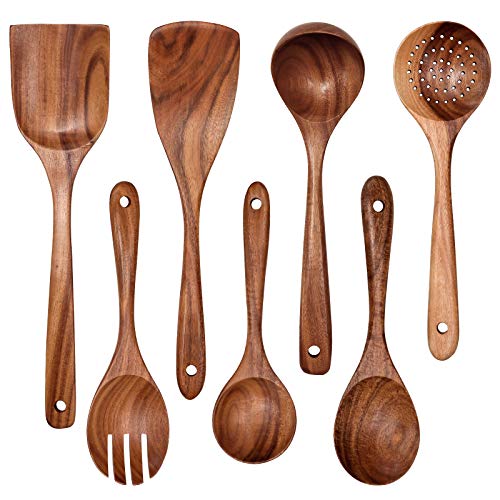
Teak is widely regarded as the gold standard for kitchen utensils. It has a naturally high oil content that makes it highly resistant to moisture, warping, and cracking. The grain is tight and smooth, and it holds its finish well over years of use. Teak utensils tend to be on the pricier end, but they are a one-time investment that pays off.
Beech is the most common wood used in European-style kitchen tools. It is hard, smooth, and relatively affordable. Beech absorbs a bit more moisture than teak, so it benefits from occasional oiling, but it is an excellent everyday choice for non-stick cooking. Most professional kitchens that use wooden utensils are stocked primarily with beech.
Olive wood is beautiful, dense, and naturally antimicrobial. The swirling grain patterns make each piece unique. It is harder than beech and quite resistant to odors and stains. The trade-off is that olive wood can be less forgiving if neglected — it dries and cracks faster without regular conditioning. Still, for anyone who wants utensils that are as much art as tool, olive wood is hard to beat. You can learn more about its properties at The Wood Database.
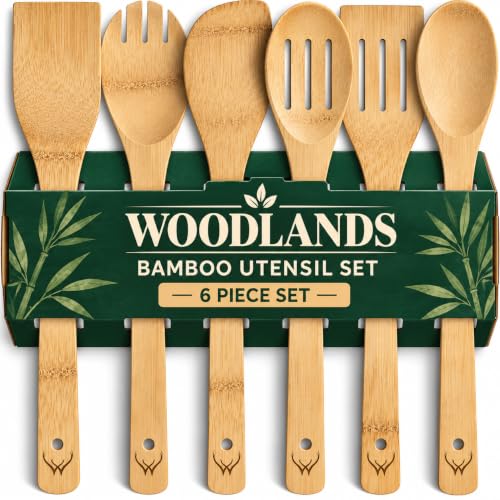
Bamboo is technically a grass, not a wood, but it behaves similarly in the kitchen and is worth including here. It is extremely hard, very light, and often more affordable than true hardwoods. The downside is that bamboo’s hardness — while still well below what would scratch non-stick — means the edges need to be very well finished. Rough bamboo can be a problem, but quality-finished bamboo utensils work fine on non-stick pans.
Our Top Picks for Wooden Utensil Sets
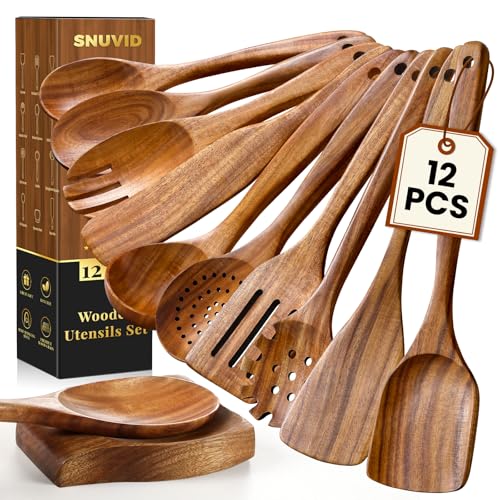
A complete wooden utensil set gives you everything you need — spoons, spatulas, turners, and more — all matched in material and finish. If you are starting from scratch or replacing worn-out plastic tools, a set is the most cost-effective move. Here are some of the best options available right now, spanning a range of price points and wood types.

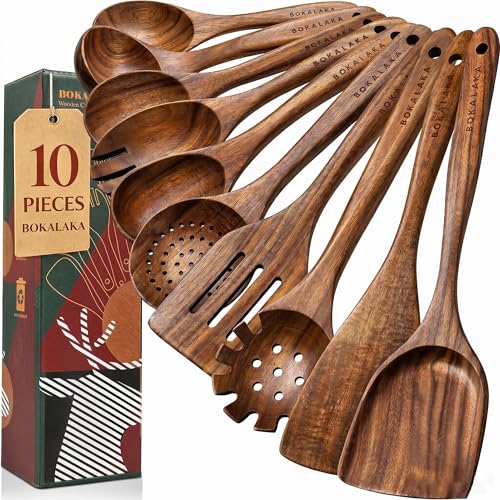

The Best Wooden Spoons for Non-Stick Pans
If you only buy one wooden utensil, make it a spoon. A good wooden spoon handles stirring, scraping, tasting, and saucing all in one tool. Look for a rounded bowl with no sharp edges and a handle long enough to keep your hand clear of the pan. The options below are consistently well-reviewed and safe for all types of non-stick cookware.
Looking for a deal? You can find solid options with best wooden spoons for non-stick pans under $25 that hold up beautifully with regular use.
What to Avoid (Even With Wooden Utensils)
Wooden utensils are safe on non-stick pans, but that does not mean anything goes. A few specific habits or conditions can introduce real problems — both for your pans and for your utensils themselves. Here is what to watch for.
Common Mistakes to Avoid: Using splintered or rough-edged wooden tools on non-stick pans can cause micro-scratches. Soaking wooden utensils in water causes warping and cracking, which creates the rough edges you want to avoid. Always inspect your utensils before use and retire anything that feels or looks rough.
Quick Fix: If a wooden utensil feels rough, do not toss it yet. Light sanding with 220-grit sandpaper takes 30 seconds and restores a smooth surface. Follow up with food-safe mineral oil and it is good as new.
Rough or Splintered Edges
A new, well-sanded wooden utensil is smooth and safe. But over time — especially without proper maintenance — wood can develop small cracks, splinters, or rough patches. Those rough edges are exactly the kind of surface that can scratch a non-stick coating, even though the wood itself is soft. The grain is no longer aligned; you effectively have tiny wood fibers acting like a mild abrasive.
The fix is simple. Inspect your utensils periodically and run your finger along the working edges. If anything catches or feels rough, a light sanding with 220-grit sandpaper followed by a coat of food-safe mineral oil will restore the surface. If the damage is too far gone, it is time for a new tool. A $10 wooden spoon is not worth risking a $60 pan over.
Rule of Thumb: Never let wooden utensils soak in water, and never put them in the dishwasher. The hot water cycle causes warping and cracking faster than years of normal use. Hand-wash, dry immediately, done.
Soaking and Warping
Leaving wooden utensils submerged in water is one of the fastest ways to ruin them. Wood absorbs moisture unevenly, which causes the grain to swell on one side and contract on another. The result is warping, cracking, and eventually splintering. A warped spoon with a bent bowl or a cracked handle is not just less useful — it can develop the rough edges described above.
The rule is easy: wash promptly, rinse quickly, and dry immediately. Never leave wooden utensils in a sink full of water. Never put them in the dishwasher either — the extended hot water cycle causes the same kind of moisture damage, just faster and more dramatically. Hand-wash, pat dry, and let them air out standing upright rather than lying flat. For more guidance on keeping your tools in shape, our article on how to clean wooden kitchen utensils goes deeper on this topic.
How to Care for Wooden Utensils
A well-maintained wooden utensil can last a decade or more. The maintenance is not complicated, but it does require some consistency. Think of it the same way you think about seasoning a cast iron pan — a small recurring investment that pays dividends every time you cook.
Quick Tip: Oil your wooden utensils every 4 to 6 weeks with food-safe mineral oil or a dedicated wood conditioning oil. Apply a thin coat, let it soak in overnight, then wipe off any excess. This keeps the wood hydrated, prevents cracking, and maintains the smooth surface that makes them safe for non-stick pans.
Cleaning, Drying, and Conditioning
Cleaning is straightforward: warm water, a drop of dish soap, and a soft sponge. Avoid abrasive scrubbers — they roughen the wood surface over time. Rinse completely to remove all soap residue, since soap left in the grain can dry the wood out. Then dry immediately with a clean towel and stand the utensil upright to finish air-drying.
For deep cleaning after contact with raw meat or strong-smelling foods, a paste of coarse salt and lemon juice applied with a cut lemon works well. Scrub, let sit for five minutes, rinse thoroughly, and dry. The salt acts as a mild abrasive while the lemon provides natural antibacterial action. The USDA FSIS guidelines on cutting boards offer helpful context on safe food handling with wood surfaces generally.
Conditioning is the step most people skip — and the one that matters most for longevity. Food-safe mineral oil is inexpensive and widely available. Beeswax-based conditioning blocks (like board cream) add a protective layer on top of the oil and are ideal for utensils that get heavy use. Apply oil when the wood looks dry or dull; do not wait for cracking to start. A well-oiled utensil resists moisture better, maintains its smooth surface, and is less likely to develop the rough spots that could eventually affect your non-stick pan.
If you are also using a wooden cutting board alongside your utensils, the same care principles apply. Our guide on how to oil a wooden cutting board walks through the process step by step.
Looking for affordable starter options? There are plenty of wooden kitchen utensil sets under $30 that give you a full set of well-finished tools without a big upfront commitment. Once you have tested the waters, you can always upgrade to teak or olive wood for the pieces you use most.
The Smart Choice for Your Non-Stick Kitchen
Wooden utensils are not just safe on non-stick pans — they are one of the smartest choices you can make for them. They are gentle on coatings, comfortable to hold, heat-resistant, and long-lasting when properly maintained. Whether your pan is PTFE-based or ceramic, a smooth, well-oiled wooden spoon or spatula will treat it far better than any metal alternative.
The key takeaways are simple. Choose a high-quality wood — teak, beech, or olive wood are all excellent. Keep the surfaces smooth by inspecting regularly and oiling consistently. Wash by hand and dry promptly. Avoid soaking. That is the entire playbook, and it requires almost no effort once the habits are in place.
The combination of a well-seasoned non-stick pan and a quality wooden utensil set is one of those kitchen pairings that just makes cooking more enjoyable — and keeps your tools in great shape for years to come.
Bottom Line: Wooden utensils are safe, effective, and ideal for non-stick pans. Choose smooth-finished hardwood, keep them oiled, and wash by hand. Do that, and your pans — and your utensils — will both last significantly longer.
Are wooden utensils better than silicone for non-stick pans?
Both wooden and silicone utensils are safe on non-stick pans, but they have different strengths. Wood offers better rigidity and control for scraping and stirring, does not melt near high heat, and is more eco-friendly. Silicone is more flexible, slightly easier to clean, and can be dishwasher-safe. For most everyday cooking on non-stick surfaces, wood is the preferred choice for its durability and feel.
Can a wooden spoon scratch a Teflon pan?
A smooth, well-maintained wooden spoon will not scratch a Teflon (PTFE) pan. Wood is significantly softer than the coating material. The risk arises only if the wooden utensil has rough edges, splinters, or cracks from poor maintenance. Inspect your wooden tools regularly and lightly sand and re-oil any rough spots to keep them safe for non-stick use.
Is it safe to use wooden utensils on ceramic non-stick cookware?
Yes, wooden utensils are safe on ceramic non-stick coatings. Ceramic coatings are harder than PTFE in some respects but equally susceptible to scratching from metal tools. Smooth wooden utensils pose no scratch risk to ceramic surfaces under normal cooking conditions. As with any non-stick pan, avoid sharp metal edges and always use gentle, non-abrasive tools.
How do I know if my wooden utensils are still safe to use?
Run your finger along the working edges and bowl of the utensil. If the surface feels smooth, it is safe for non-stick pans. If you feel any roughness, catches, or visible splinters or cracks, address them before use. Light sanding with 220-grit sandpaper followed by food-safe mineral oil will restore most minor surface damage. Heavily cracked or warped utensils should be replaced.
How often should I oil my wooden cooking utensils?
A good rule of thumb is every 4 to 6 weeks for utensils in regular use. The clearest sign that it is time to oil is when the wood looks dull, dry, or lighter in color than usual. Apply a generous coat of food-safe mineral oil, let it soak in overnight, then wipe off any excess with a clean cloth. Regular oiling prevents cracking, maintains a smooth surface, and extends the life of your tools significantly.
This article contains affiliate links #ad
Are Wooden Utensils Machine Washable? The Complete Guide For 2026

Why Is Walnut The Best Wood For Kitchen Utensils?

7 Amazing Benefits of Wooden Kitchen Utensils

Acacia Wood vs Bamboo Utensils: Which Should You Choose?

Do chefs use wooden utensils? 4 surprising reasons they do
Wooden Kitchen Spoons: Complete Cleaning And Caring Guide
Loved by our customers

Wooden Utensil Holder
Wood Cutting Boards
Walnut Wooden French Bread Slicer for Baguettes, 1 inch thick slices
Living Room