







Acacia Wood vs Bamboo Utensils: Which Should You Choose?

Both acacia wood and bamboo utensils dominate the natural kitchen tools market for good reason. They look warm and beautiful on any counter, they are gentler on nonstick cookware than metal alternatives, and they carry a lower environmental footprint than plastic. But they are genuinely different materials with different strengths, different maintenance needs, and different lifespans under hard use.
The choice between them is not obvious from a product page. You have to understand the underlying material properties to make a decision that holds up over years in your actual kitchen. That is what this guide is for.
We are comparing acacia and bamboo across durability, food safety, heat resistance, care requirements, environmental impact, and aesthetics, so you can buy with confidence and stop replacing utensil sets every two years.
Quick comparison: Acacia wood utensils are denser, more durable, and better suited for heavy daily cooking. Bamboo utensils are lighter, harder than most hardwoods by density, more moisture-resistant out of the box, and more affordable. Both are food-safe and knife-friendly. Your choice comes down to how hard you cook and how much maintenance you want to do.
Table of Contents
What Is Acacia Wood?
Acacia is a genus of flowering trees and shrubs found across Africa, Asia, Australia, and the Americas. The acacia species used for kitchen utensils is primarily harvested from Southeast Asia, where Acacia mangium and related species are farmed sustainably as a plantation wood. These trees grow quickly for a hardwood, reaching harvest maturity in 25 to 30 years, which makes them significantly more renewable than traditional slow-growth hardwoods like walnut or maple.
Acacia wood is dense, with a Janka hardness rating that typically ranges from 2,300 to 2,900 lbf depending on the specific species, making it harder than maple (1,450 lbf) and significantly harder than most kitchen woods. According to the Wood Database, acacia also has naturally high oil content that gives it inherent moisture resistance and a rich, warm grain that varies dramatically from piece to piece.
The oil content in acacia is a functional advantage for kitchen use. Tools made from acacia wood start their life with a built-in degree of moisture resistance that other hardwoods require months of oiling to develop. The grain patterns, ranging from straight to interlocked to wavy, create visual interest that makes acacia utensils look genuinely beautiful hanging in a holder or sitting in a crock. For more on acacia’s properties in kitchen applications, our in-depth piece on whether acacia wood is good for cutting boards covers the full technical picture.
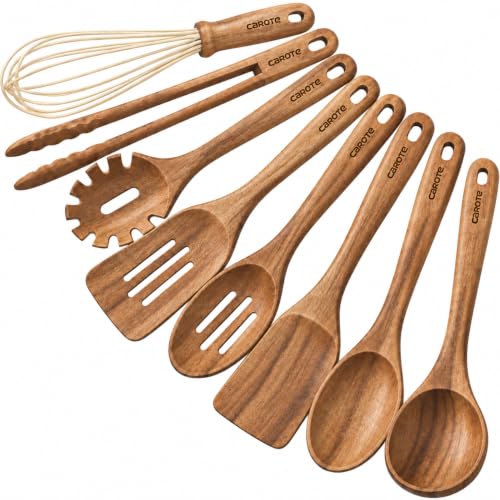
The best acacia wooden utensils for your kitchen
Our top picks




What Is Bamboo?
Here is the first surprise for many people: bamboo is not wood. It is a grass. Bamboo culms are the fast-growing stalks of the Bambusoideae subfamily, and they reach harvest maturity in three to five years compared to the decades required for any hardwood species. Kitchen utensils labeled bamboo are made from these stalks, often laminated together with food-safe adhesives to create the desired thickness and shape.
Despite being a grass, bamboo is remarkably hard. The silica content in bamboo fiber gives it a hardness that exceeds many true hardwoods by density. This hardness is one of bamboo’s genuine advantages as a kitchen material: it resists surface scratching and holds its shape well under repeated use. The tightly packed, parallel fiber structure of bamboo also makes it naturally resistant to absorbing moisture on the surface, which helps prevent bacterial accumulation between uses.
However, bamboo’s laminated construction introduces a potential weak point that solid wood utensils do not have: the glue lines. Most bamboo utensils are manufactured using food-safe adhesives, but prolonged exposure to heat, water, or dishwasher cycles can weaken these bonds over time, causing de-lamination or splitting along the glue joints. This is the primary durability concern with bamboo that does not apply to solid-wood utensils. For a detailed comparison of bamboo versus acacia specifically in cutting board applications, see our acacia vs teak cutting board comparison for related context.
The best bamboo utensils for daily use
Our recommendations
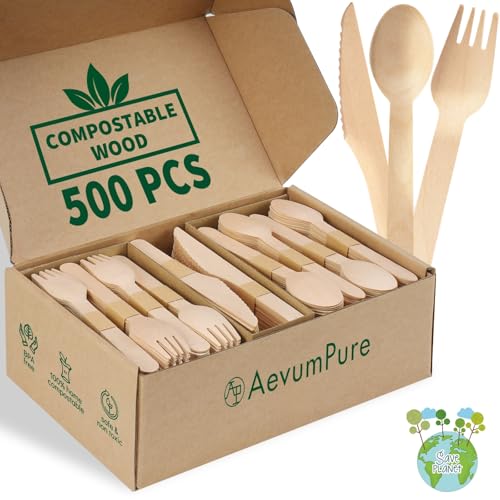
500PCS Wooden Utensils Set-Disposable Wooden Cutlery,Compostable Silverware | Bamboo Utensils…
$19.99
In Stock
Buy on Amazon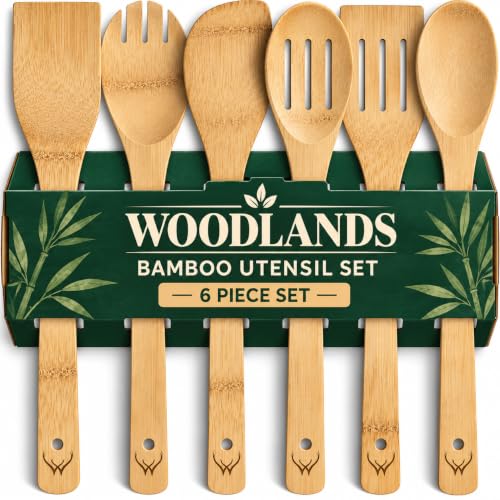


Durability: Which Lasts Longer in Daily Use?
For durability under hard daily cooking, acacia wood has the edge. The solid-wood construction means there are no lamination joints to fail. Acacia handles high heat, vigorous stirring, and contact with cast iron and heavy cookware better than bamboo because the entire utensil is one continuous material. Surface wear shows as smoothing and slight darkening over years, but the utensil remains structurally sound indefinitely with proper care.
Bamboo utensils are durable for normal household cooking but show their limitations faster under heavy use. The laminated construction is the primary vulnerability. Dishwasher use, repeated submersion, or high-heat contact can cause delamination within months of purchase. The harder fiber structure also makes bamboo more prone to cracking if dropped or subjected to impact stress, because it has less natural flexibility than solid wood.
Durability verdict: Acacia wood utensils last longer under heavy cooking conditions. Bamboo utensils perform well for moderate home cooking but degrade faster with dishwasher use, high-heat contact, or aggressive stirring in heavy pots. If you cook every day and cook hard, acacia is the better long-term investment.
Food Safety and Heat Resistance
Both materials are food-safe when properly maintained. The FDA classifies food-contact wood and bamboo surfaces as acceptable for kitchen use when they are smooth, free of cracks, and properly maintained. The key concern for any natural material utensil is cracks and deep grooves that harbor bacteria and cannot be cleaned out. A well-maintained acacia or bamboo utensil in good condition poses no greater food safety risk than metal or silicone alternatives.
Heat resistance is where these two materials differ in a practical way. Acacia handles higher contact temperatures better because solid wood is a natural heat insulator and does not transmit heat from a hot pan up the handle the way metal does. You can stir a hot soup with an acacia spoon and hold it comfortably. Bamboo performs similarly at moderate temperatures, but prolonged contact with very high heat cooking (searing, wok cooking, high-heat sauteing) can cause bamboo to char or crack at the lamination lines faster than solid acacia wood.
Neither material is rated for deep frying or prolonged contact with boiling oil. For that application, silicone or metal utensils are the appropriate choice. But for everyday stirring, sauteing, and serving at normal cooking temperatures, both acacia and bamboo perform safely and comfortably. Our piece on why walnut is a top choice for kitchen utensils provides additional context on how different wood species handle heat and food contact.
Maintenance: Oiling, Cleaning, and Care
Maintenance requirements differ meaningfully between these two materials, and your tolerance for ongoing care should factor into your purchase decision.
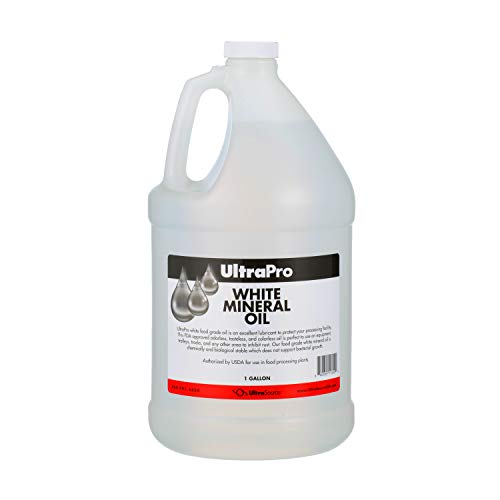
Acacia wood utensils need periodic oiling to stay in good condition. The wood’s natural oils deplete over time with washing, and dry acacia wood is more prone to cracking and splitting than well-conditioned acacia. The oiling routine is simple: apply food-grade mineral oil monthly, let it soak in for 20 minutes, wipe off excess. This takes about three minutes and protects the investment significantly. The FDA confirms food-grade mineral oil is safe for food contact surfaces. Wash acacia utensils by hand with mild dish soap and warm water, dry immediately, and do not put them in the dishwasher.
Bamboo utensils require less oiling because the natural silica content and tighter fiber structure make them more moisture-resistant out of the box. However, bamboo should also be washed by hand and dried immediately. The dishwasher is equally damaging to bamboo as to wood: the combination of heat and moisture degrades the adhesive bonds in laminated bamboo. Do not soak bamboo in water, and apply a light coat of mineral oil every few months to prevent surface drying and cracking.
Both materials benefit from the same basic rule: wash promptly after use, dry immediately, store in a way that allows air circulation. A quality kitchen utensil holder or crock keeps them upright, lets air reach all surfaces, and prevents the dampness that accelerates degradation in any natural material kitchen tool. For a complete care routine for wooden kitchen tools, our guide on cleaning wooden kitchen spoons covers the key principles.
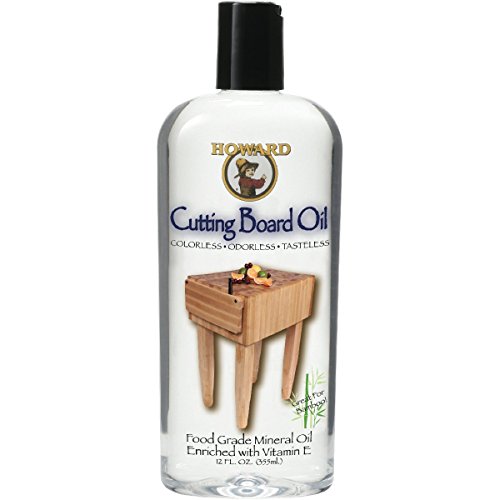
Best food-grade mineral oil for maintaining your utensils
Our suggestions




Environmental Impact: Bamboo vs Acacia
Bamboo carries the better environmental story on paper, and it is a compelling one. Bamboo matures in three to five years versus 25 to 30 years for acacia. It sequesters carbon rapidly during growth, produces significant biomass per acre, and can be harvested without killing the plant, since it regrows from the existing root system. These properties make bamboo one of the most renewable raw materials available for consumer products.
Acacia is also a sustainable choice, particularly when sourced from certified plantation operations rather than old-growth forests. Look for FSC (Forest Stewardship Council) certification or similar third-party sustainable sourcing verification when buying acacia products. The USDA Forest Products Laboratory provides ongoing research into sustainable hardwood sourcing and wood material properties relevant to kitchen applications. The slower growth cycle means acacia requires more planning in supply chain management, but the product lifespan is longer, which improves the per-year environmental cost of the utensil over its service life.
Environmental perspective: Bamboo wins on raw material renewability. But a well-maintained acacia utensil that lasts 15 years uses less total material and manufacturing energy over time than three sets of bamboo utensils replaced every five years. Longevity is a meaningful part of any environmental calculation.
Shop Acacia Wood Cutting Boards
Upgrade Your Kitchen With a Board That Gets Better With Age

3 PCS Acacia Wood Cutting Boards for Kitchen With Wooden…
$12.59
Only 2 left in stock - order soon.
Buy on Amazon




Acacia vs Bamboo: The Verdict
Both acacia and bamboo are genuinely excellent choices for kitchen utensils. The right pick depends on your cooking habits, budget, and priorities.
Choose acacia if you cook frequently and intensively, want utensils that develop character and improve with age, prioritize long-term durability over lower initial cost, and do not mind a monthly oiling routine. Acacia utensils look stunning, perform under hard use, and last for years when cared for properly. They are the better choice for serious home cooks who want natural kitchen tools built to last.
Choose bamboo if you cook moderately, want a lighter and more affordable utensil set, prioritize raw material sustainability, and prefer a tool that needs less hands-on conditioning. Bamboo works well for most everyday cooking tasks and is widely available at accessible price points. The key is treating bamboo correctly: hand wash, dry immediately, never dishwasher.
Either way, you are making a better choice for your kitchen and your cookware than metal or plastic alternatives. Both materials protect nonstick surfaces, look beautiful in any kitchen style, and connect your cooking to natural materials in a way that mass-produced plastic simply cannot. If you are selecting a cutting board to go with your new utensils, our breakdown of end grain vs edge grain cutting boards helps you choose the right surface for your kitchen. For more on building a complete wooden kitchen tool collection, see our guide on the benefits of wooden kitchen utensils.
Is acacia wood better than bamboo for cooking utensils?
Acacia wood is more durable under heavy daily cooking because of its solid construction, high natural oil content, and exceptional hardness. Bamboo is lighter, more affordable, and more sustainable by raw material standards, but its laminated construction makes it more vulnerable to delamination under heavy use or dishwasher exposure. For serious daily cooks, acacia is the better long-term investment.
Are bamboo utensils safe for cooking?
Yes. Bamboo utensils are food-safe for normal cooking temperatures. The FDA permits food-contact bamboo surfaces. The main consideration is maintaining them properly: wash by hand, dry immediately, avoid the dishwasher, and inspect regularly for cracks where bacteria can accumulate. A bamboo utensil in good condition poses no food safety risk.
Do bamboo utensils need to be oiled?
Bamboo needs less oiling than solid wood because its silica fiber structure provides natural moisture resistance. Apply a light coat of food-grade mineral oil every three to four months to prevent drying and surface cracking. Bamboo that looks dry or has small surface cracks needs oil immediately to prevent further damage.
Can you put acacia wood utensils in the dishwasher?
No. The dishwasher’s heat, steam, and water exposure will warp, crack, and dry out acacia wood utensils even in one cycle. Wash acacia utensils by hand with mild soap and warm water, dry immediately, and store in a way that allows air circulation.
Which is more eco-friendly, acacia or bamboo?
Bamboo has the faster growth cycle at three to five years versus 25 to 30 years for acacia, making it more renewable by raw material standards. However, well-maintained acacia utensils last significantly longer, which reduces total material use over time. Both materials are more environmentally responsible than petroleum-based plastic alternatives.
This article contains affiliate links #ad

7 Amazing Benefits of Wooden Kitchen Utensils
Are Wooden Utensils Machine Washable? The Complete Guide For 2026

Why Is Walnut The Best Wood For Kitchen Utensils?

Do chefs use wooden utensils? 4 surprising reasons they do

Can I Sterilize Wooden Utensils in the Oven?
Can you use steel wool on wooden kitchen utensils?
Loved by our customers

Wooden Utensil Holder


Wood Cutting Boards
Walnut Wooden French Bread Slicer for Baguettes, 1 inch thick slices

Living Room