






How to Clean Engineered Hardwood Floors Without Damage
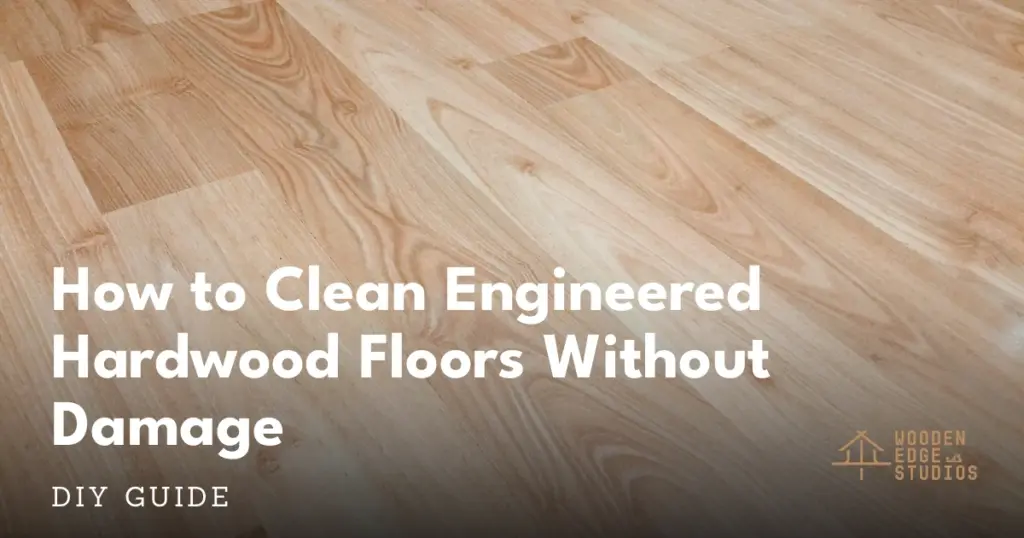
Engineered hardwood floors look like solid hardwood but behave differently. The construction is a real wood veneer bonded over layers of plywood or HDF core. That structure gives engineered hardwood better dimensional stability than solid wood but also means certain cleaning methods that work fine on other floors can permanently dull the finish or cause swelling that solid wood would shake off.
The cleaning rules for engineered hardwood floors are actually simpler than most people expect. The problem is that well-intentioned homeowners often apply lessons from other floor types that do not translate. Steam mops are safe on tile. They ruin engineered hardwood. Wet mops clean vinyl beautifully. They slowly destroy engineered wood planks.
This guide walks you through the correct daily routine, the best weekly cleaning method, how to tackle common spills and stains, and what to avoid to keep your floors looking the way they did when you moved in.
Core rule: Engineered hardwood and standing water are enemies. Moisture that gets under the veneer layer causes swelling, delamination, and bubbling that is expensive to repair. Every cleaning method you use should leave the floor dry within minutes, not hours.
Table of Contents
What Makes Engineered Hardwood Different to Clean
Engineered hardwood consists of a thin real-wood veneer layer, typically 2mm to 6mm thick, bonded to a core of cross-layered plywood or HDF (high-density fiberboard). This cross-ply construction gives the floor exceptional stability compared to solid wood, but the glue bonds and veneer thickness create specific vulnerabilities that solid wood does not share to the same degree.
The veneer layer is real wood with a factory-applied finish (usually polyurethane or aluminum oxide). The finish is what you actually clean. You are not cleaning raw wood. As long as the finish is intact, the floor is relatively resistant to moisture and surface stains. Where homeowners cause damage is by using products or methods that penetrate or degrade that factory finish over time.
The construction difference between engineered hardwood and vinyl LVP or tile also means that engineered wood is far more sensitive to excessive moisture at the seams and edges. Water that wicks into seams reaches the HDF or plywood core, which swells readily. According to the USDA Wood Handbook, wood composites used in flooring cores absorb moisture significantly faster than solid lumber. This is why the no-standing-water rule is non-negotiable for engineered hardwood.
Daily Cleaning Routine for Engineered Hardwood
Daily maintenance is about removing abrasive particles and light soil before they work into the finish. Dust, dirt, and sand act like sandpaper underfoot. Every step grinds these particles against the floor finish and creates micro-scratches that accumulate into a dull, hazy appearance over months and years. Preventing that accumulation is far easier than reversing it.
The most effective daily tool is a microfiber dust mop. Dry microfiber picks up fine dust and pet dander without scratching and covers a large area quickly. Use it daily in high-traffic areas and every two to three days in lower-traffic rooms. A vacuum on the bare-floor setting also works well, but avoid vacuums with beater bars, which can scratch engineered hardwood surfaces. Use the hardwood-safe attachment or switch the beater bar off before running it over your floors.
Place entry mats at all exterior doors and area rugs in high-traffic zones. Shoes and pet paws track in grit that is responsible for a significant percentage of floor finish wear. A simple mat at the door reduces the abrasive particle load on the floor by an impressive margin. Use felt pads under all furniture legs to prevent scratching when pieces are moved.
Quick tip: Change or launder floor mats regularly. A mat that has trapped grit becomes an abrasive surface itself and can scratch the floor worse than bare feet would. Shake or vacuum entry mats at least weekly.
Weekly Deep Cleaning: Mopping Without Damage
Weekly or bi-weekly mopping removes soil that the dry mop cannot address. The method is a damp mop (not wet), which means the mop pad is barely moist, not wrung out. You should be able to squeeze it and have zero water drip from it. A spray mop that applies a fine mist directly ahead of the pad works better than a bucket-and-mop approach because it applies a controlled amount of moisture.
Work in sections along the direction of the planks, not against the grain. Overlap slightly as you move across the floor. The floor should appear dry within a minute or two of mopping. If you see a wet trail that persists for more than a couple of minutes, your mop pad is too wet. Wring it out more or let it dry slightly before continuing.
After mopping, move any rugs back once the floor is fully dry. Do not place rugs or furniture on a floor that is still slightly damp. Trapped moisture under a rug can cause discoloration and finish damage over time. Also check that your cleaning solution has fully evaporated. Some all-purpose cleaners leave a slight film if not fully worked off, which attracts more dust and dulls the finish appearance.
Cleaning Products That Are Safe vs. Ones to Avoid
The cleaners you choose matter as much as the method. Some common household cleaners are actively harmful to engineered hardwood finishes over time.
Safe Options
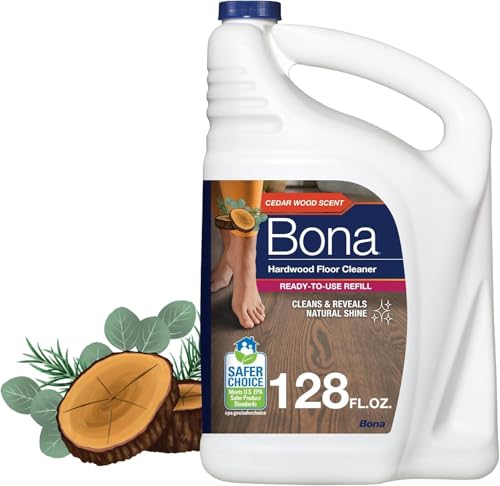
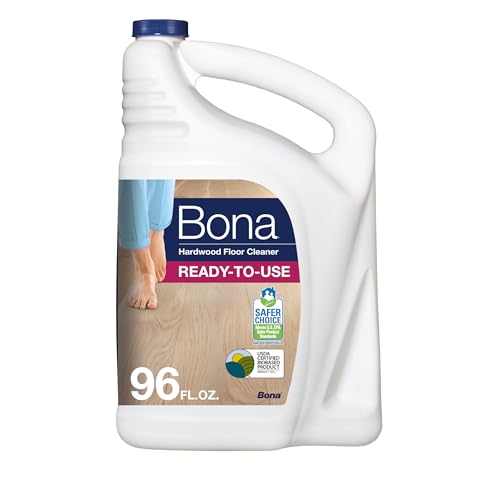
- Manufacturer-approved hardwood floor cleaner: Products from Bona, Rejuvenate, or your floor brand’s own cleaner are formulated to clean without dulling or building up on the finish.
- Plain warm water (damp mop only): For lightly soiled floors, plain water with a well-wrung mop pad is often all you need and leaves zero residue.
- Diluted dish soap (sparingly): A small drop of mild dish soap in a bucket of water for stubborn spots only, used sparingly and followed immediately by a damp-water wipe to remove any soap residue.
Hardwood Floor Cleaners from Bona and Rejuvenate





Products to Avoid
- Steam mops: The combination of heat and moisture in steam penetrates seams and the veneer layer rapidly. Even a single session can cause swelling and adhesive bond failure.
- Vinegar or vinegar-based cleaners: Despite being a popular DIY floor cleaner, the acid in vinegar gradually degrades polyurethane finishes. (Note: vinegar is useful for sanitizing wooden chopping boards, but keep it off your floor finish.) Over repeated use it causes haziness and dulling that is difficult to reverse without refinishing.
- Oil soaps (Murphy Oil Soap): These leave a waxy buildup on the factory finish that attracts grime and creates a yellowing, sticky surface over time.
- Bleach or ammonia cleaners: These damage the finish chemistry and can discolor the wood veneer.
- Wax-based products: On factory-finished engineered hardwood, wax creates buildup that cannot be easily removed and interferes with future refinishing.
Dealing with Common Stains and Spills
Speed is the most important factor with spills on engineered hardwood. Blot liquids immediately with a dry cloth or paper towel. Do not rub: rubbing spreads the liquid and works it into seams. Blot, then press and lift repeatedly until no more liquid transfers to the cloth. Follow up with a barely damp cloth if any residue remains, then dry the spot completely.
For dried or stuck-on debris like food, candle wax, or gum, let it harden fully if it is not already solid, then gently scrape with a plastic scraper. Never use metal tools on the floor surface. After scraping, clean the area with a small amount of manufacturer-approved hardwood cleaner on a cloth. For pet urine, act immediately: blot up all liquid, clean with a hardwood-safe cleaner, and dry thoroughly. Urine left to soak causes ammonia damage to the finish and, if it reaches the core, permanent discoloration that requires plank replacement.
Scuff marks from shoes respond well to a tennis ball or a soft cloth rubbed in a circular motion. The friction lifts the scuff compound without scratching the finish. For greasy spots, a small amount of dish soap on a damp cloth removes the oil effectively. The key for any treatment is using a small amount of product on a cloth rather than applying product directly to the floor.
Long-Term Care: Protecting Your Investment
Engineered hardwood floors installed and maintained correctly should last 20 to 30 years or more, even in high-traffic homes. The long-term care strategies that have the biggest impact are humidity management, finish protection, and preventing mechanical damage from furniture and foot traffic.
Maintain indoor humidity between 35 and 65 percent a range consistent with EPA indoor air quality guidance on moisture management. Wood floors in very dry environments shrink and develop visible gaps between planks. In very humid environments they can swell and buckle. A whole-home humidifier or dehumidifier set to maintain the mid-range of this window protects floors far better than any cleaning product. Direct sunlight is another long-term concern: UV rays fade and yellow wood finishes over time. Use curtains or UV-filtering window film in sun-exposed rooms.
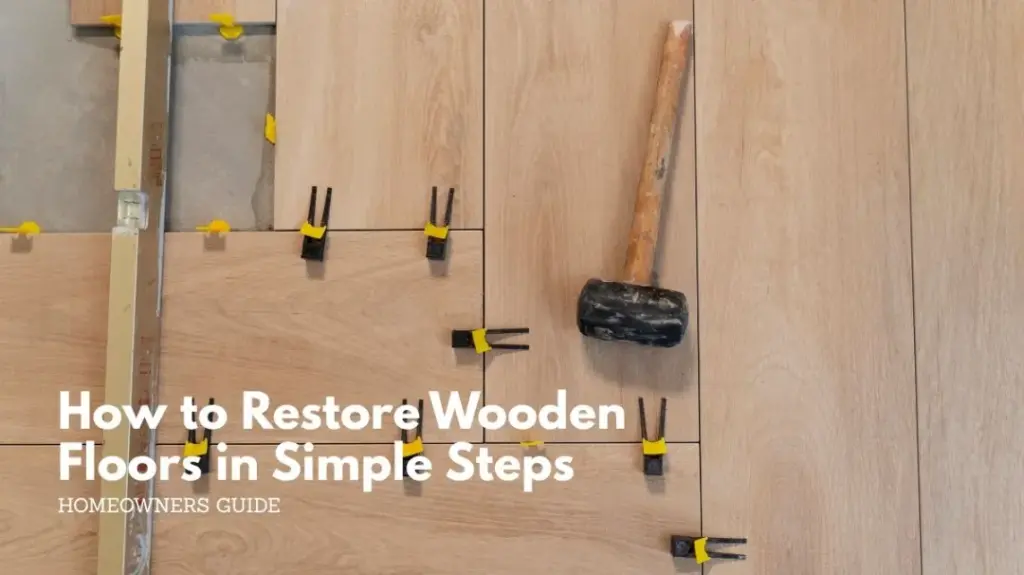
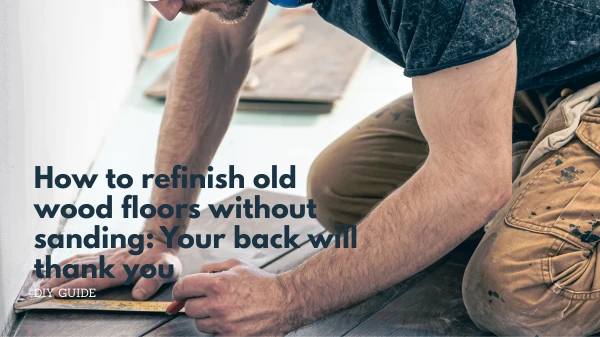
If you have wooden bedroom furniture alongside your hardwood floors, our guide on mixing white and wooden bedroom furniture covers how undertones affect the whole room’s cohesion. When the factory finish begins to show wear in high-traffic areas, screen-and-recoat is the right solution. A floor professional lightly abrades the existing finish and applies a new topcoat layer, restoring the protective barrier without removing wood material. This is cheaper and faster than full refinishing and can be done several times before a full sand is necessary. For related floor care questions, see our guide on how to refinish old wood floors without sanding and our post on restoring wooden floors in simple steps.
Bottom line: Clean engineered hardwood regularly with a dry microfiber mop, damp-mop weekly with a manufacturer-approved cleaner, and avoid steam, vinegar, and excess water. Manage humidity year-round and address spills immediately. That routine, consistently applied, protects a significant flooring investment for decades.
Can you use a steam mop on engineered hardwood floors?
No. Steam mops force hot moisture into the seams and veneer layer of engineered hardwood, causing swelling, delamination, and adhesive bond failure. Even a single session can cause visible damage. Use a damp mop with minimal moisture instead.
What is the best cleaner for engineered hardwood floors?
Manufacturer-approved hardwood floor cleaners like Bona Hardwood Floor Cleaner are specifically formulated to clean without building up on the finish. Plain warm water on a well-wrung mop pad also works well for light cleaning. Avoid vinegar, bleach, ammonia, and oil soaps, which all damage the factory finish over time.
How often should you mop engineered hardwood floors?
Dry dust-mop or vacuum daily in high-traffic areas and every two to three days in lower-traffic rooms. Damp-mop weekly or bi-weekly. Over-mopping shortens finish life; under-mopping allows soil and grit to abrade the finish from foot traffic.
Why do my engineered hardwood floors look dull after cleaning?
Dullness after cleaning usually indicates product buildup on the finish. Oil soaps, wax-based cleaners, and some all-purpose cleaners leave a film that attracts dust and creates a hazy appearance. Strip the buildup with a manufacturer-approved hardwood cleaner and switch to a residue-free product going forward.
Can engineered hardwood floors be refinished?
Yes, but only a limited number of times depending on veneer thickness. A 2mm veneer may tolerate one light screen-and-recoat. A thicker 6mm veneer can be sanded and refinished two to three times. Check your floor’s veneer thickness in the manufacturer documentation before scheduling any refinishing work.



Loved by our customers

Wooden Utensil Holder
Wood Cutting Boards
Walnut Wooden French Bread Slicer for Baguettes, 1 inch thick slices
Living Room