







Do chefs use wooden utensils? 4 surprising reasons they do

Last week, I went out with a group of friends to a special restaurant. It was a different experience compared to the usual ones I have had in the past. We had jollof rice and stewed escargot (another fancy name for stewed snails), which was fascinating beyond my imagination. It was a chef’s kiss. What stood out to me were the wooden utensils used to serve the dishes. They added glamour while accompanying the food to my mouth. It created a different sensation from the common use of metal and synthetic utensils found in modern kitchens and used by professional chefs.
This made me look into the general appeal of chefs using wooden utensils for cooking in their kitchens.
So, do chefs use wooden utensils? From my own personal experience, the answer is yes, and there is a lot more to it than aesthetics. This article will walk you through the benefits of using wooden utensils for cooking, compare them to metal alternatives, and help you understand what types of wood are worth your attention.
Table of Contents
Why Pro Chefs Use Wooden Utensils
Heat Resistance
Wooden utensils do not conduct heat. No matter how hot the food gets, the handles stay cool to the touch. Unlike plastic utensils, which can warp under high heat, or metal, which transfers heat instantly, wood maintains its integrity. This is a significant advantage when stirring or mixing hot dishes, as wooden utensils are far less likely to transfer heat to your hands making them both safer and more comfortable in a fast-paced kitchen environment.
For more on how wood performs under heat compared to other materials, this breakdown from Wood Work Science is worth reading.
Ergonomics and Grip
Many chefs believe that using wooden utensils feels like a natural extension of the hand. The material provides a solid, comfortable grip that synthetic alternatives often fail to replicate. This ergonomic advantage is especially helpful in fast-paced kitchen environments where control and comfort matter as much as speed.
Protecting the Cookware
Wooden spoons and spatulas do not scratch non-stick pans, cast iron, or delicate surfaces. This is one of the most practical reasons professional chefs reach for wood over metal. By avoiding scratches, wooden utensils help preserve expensive cookware over time a priority in any serious kitchen. They are also gentle on cutting boards, extending the life of multiple tools at once.
Aesthetically Pleasing
Wooden utensils are visually appealing both in use and on display. They offer a natural, classic warmth that complements any kitchen from rustic to modern. There is a reason they have been a staple in professional and home kitchens for centuries.
Limitations of Using Wooden Utensils
Cleaning Challenges
Wooden utensils require more maintenance than most people expect. They cannot go into the dishwasher. Prolonged exposure to heat and moisture can cause warping, splitting, and bacterial growth. Even hand-washing takes more effort, and removing stains from foods like tomatoes, beets, and spices often requires extended scrubbing that plastic or metal utensils simply do not demand.
Hygiene Concerns
There are real hygiene concerns surrounding wooden utensils that are worth taking seriously. Due to their porous nature, wood can harbor bacteria if not properly cleaned and dried. Unlike non-porous materials such as stainless steel or silicone, wooden utensils can absorb food particles, liquids, and oils, creating an environment where bacteria can grow.
Even thorough cleaning does not always remove all contaminants, which is why proper drying and occasional oiling are essential. New Hampshire Bowl and Board covers this and other wooden spoon care practices in detail.
Risk of Damage
After prolonged use, wooden utensils that are not properly maintained can develop splinters. These splinters can break off and get into food during cooking which poses both a safety and a hygiene risk. The good news is this can be managed by periodically replacing old utensils and maintaining them through regular oiling.
Related: If you are enjoying this article, you should also read why a wooden utensil holder is necessary in your kitchen.
Types of Wood Used for Wooden Utensils
Teak Wood
Teak is a top choice for wooden utensils because of its natural oils, which repel water, resist bacteria, and prevent cracking. Its tight grain also makes it a reliable option that will not scratch your cookware.
Maple Wood
Maple is another excellent choice. It is dense, splinter-resistant, and available at a relatively low cost. Its fine grain makes it ideal for daily stirring and scraping. The light colour also makes it easy to spot wear and damage early. If you want to add maple to your kitchen, our Maple Wood Kitchen Utensil Holder is a great place to start.
Olive Wood
Olive wood brings both functionality and beauty to the kitchen. Its irregular grain makes every piece unique. It is also known for its natural antibacterial compounds, which enhance food safety an added bonus for anyone conscious about kitchen hygiene.
Beech Wood
Beech sits in a comfortable middle ground between teak and maple. It has been a favourite among European craftsmen for centuries, offering strong resistance to wear at an affordable price point.
Woods to Avoid
Not all wood is suitable for kitchen utensils. Even if a type of wood is useful in other areas of woodworking, hygiene and food safety must come first.
Softwoods
Softwoods are a poor choice for utensils. Their low density allows bacterial penetration, they splinter easily under use, and they can impart unwanted flavours into food.
Treated or Finished Woods
Treated or finished woods should be avoided entirely. Once a wood has been painted or varnished, it can flake into food and introduce chemicals that pose serious health risks.
Aromatic Woods
Aromatic woods like cedar are too oily for utensil use. Their natural oils can mix with food and trigger allergic reactions in sensitive individuals. Note that while walnut is sometimes listed as aromatic, it is actually most commonly avoided due to allergy concerns, especially for those with tree nut sensitivities.
For a broader look at the health benefits of choosing the right wood in the kitchen, Oggn Home’s guide to wooden kitchenware is a helpful reference.
Final Thoughts
So, do chefs use wooden utensils? Absolutely, and now you know exactly why. From their natural heat resistance to their ability to protect expensive cookware, wooden utensils for cooking have earned their permanent place in both professional and home kitchens. The key is choosing the right wood, teak, maple, olive, or beech, and maintaining it properly so it stays safe and lasts long.
Are there limitations? Yes. But with the right care routine, those limitations are manageable. Wood has been a kitchen companion for centuries, and the reasons chefs still reach for it today are just as valid as they have ever been.
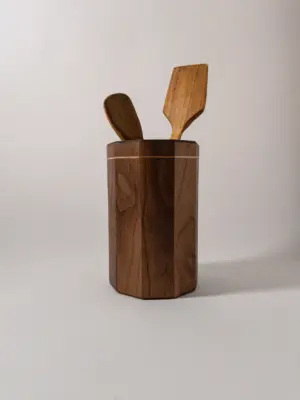
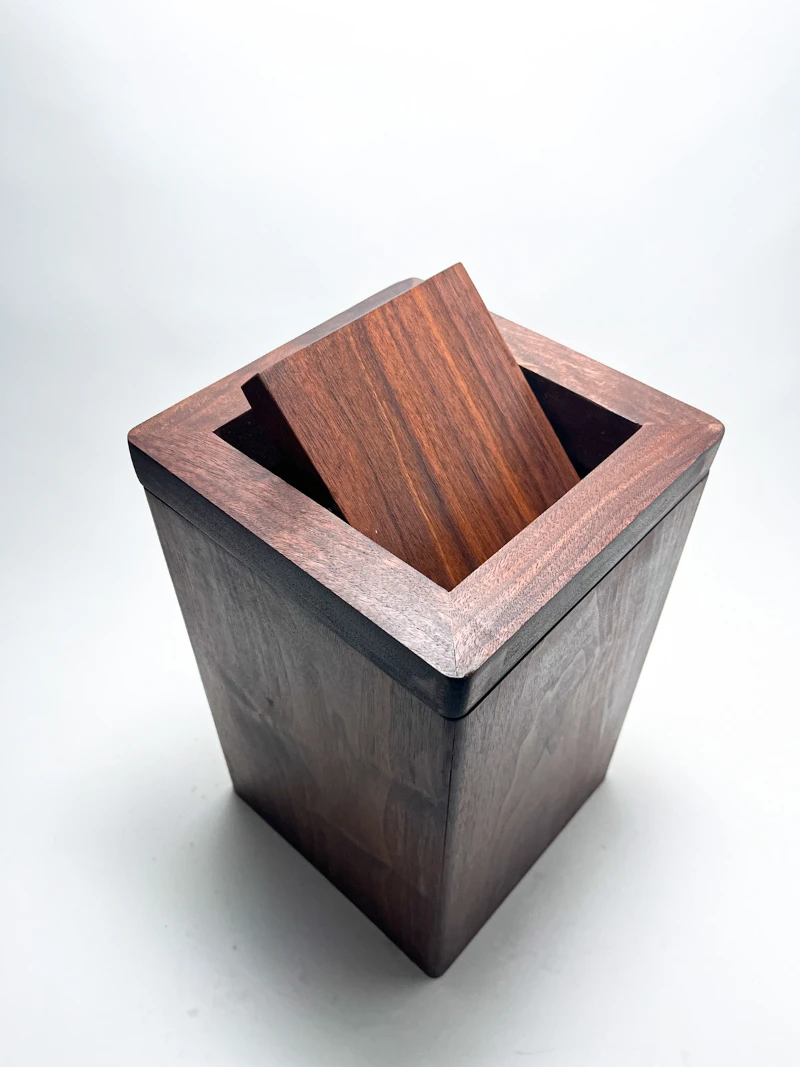
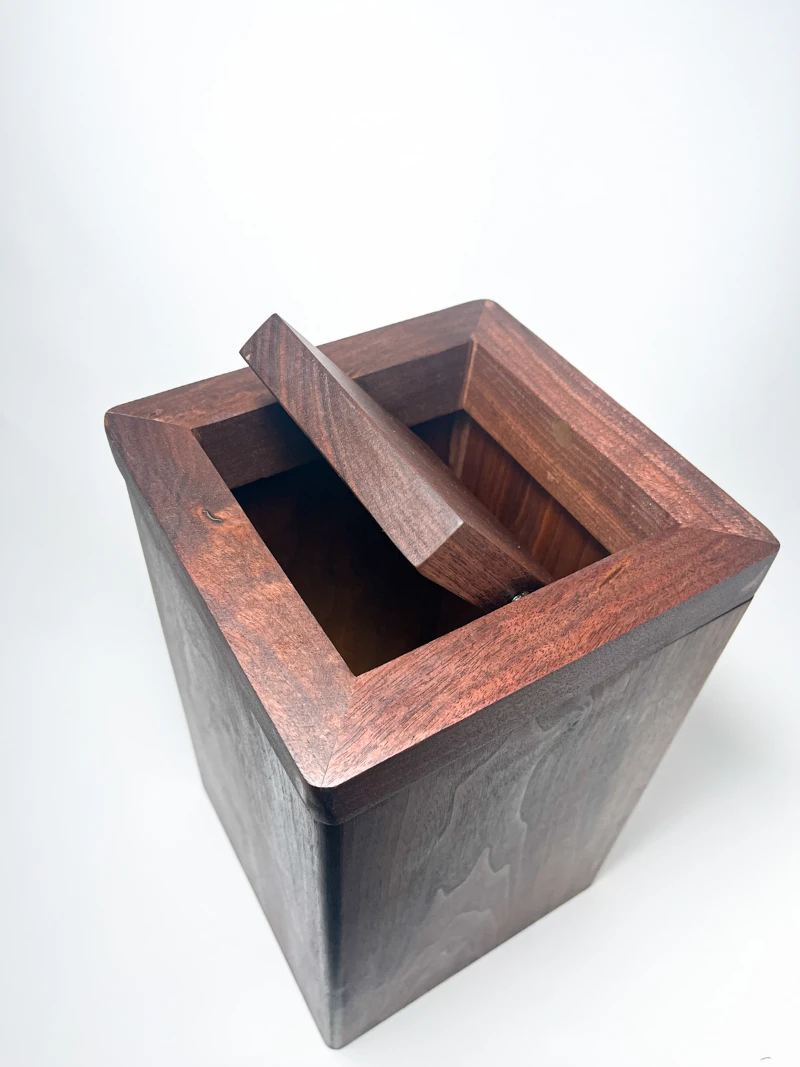
Whether you are a home cook curious about upgrading your tools or simply wondering what the professionals prefer, the answer is clear: wooden utensils are worth it. Our Walnut Wood Kitchen Utensil Holder is a beautiful way to keep your wooden tools organised and within reach.
Related: A wooden kitchen utensil is one among many tools needed in the kitchen. This article gives a detailed tool that every home cook needs. You should read it to discover the ones you are missing out on.
Frequently Asked Questions
Do chefs use wooden utensils in professional kitchens?
Yes, many professional chefs use wooden utensils regularly. Wood is valued in professional kitchens because it does not scratch expensive cookware, does not conduct heat dangerously, and provides a comfortable, ergonomic grip. Its durability and non-reactive nature make it a practical choice for daily, high-intensity cooking.
Are wooden utensils hygienic enough for everyday cooking?
Wooden utensils can be hygienic when properly maintained. The key is to wash them by hand with warm soapy water immediately after use, dry them thoroughly, and oil them periodically to prevent cracking and splinter formation. Some hardwoods like olive wood also contain natural antibacterial compounds that add an extra layer of food safety. Replace any utensil that develops deep cracks or visible splinters.
What is the best type of wood for kitchen utensils?
Teak, maple, olive wood, and beech are among the best choices for kitchen utensils. Teak is particularly prized for its natural oil content and tight grain. Maple is a great budget-friendly option. Olive wood is both beautiful and antibacterial. The wood to avoid includes softwoods, treated or varnished woods, and overly aromatic varieties that can interfere with the flavour and safety of your food.
Keeping wooden kitchen tools properly conditioned is key to their longevity. For guidance on choosing the right oil, see our post on whether coconut oil works to season a cutting board and what to use instead for lasting protection.

Loved by our customers

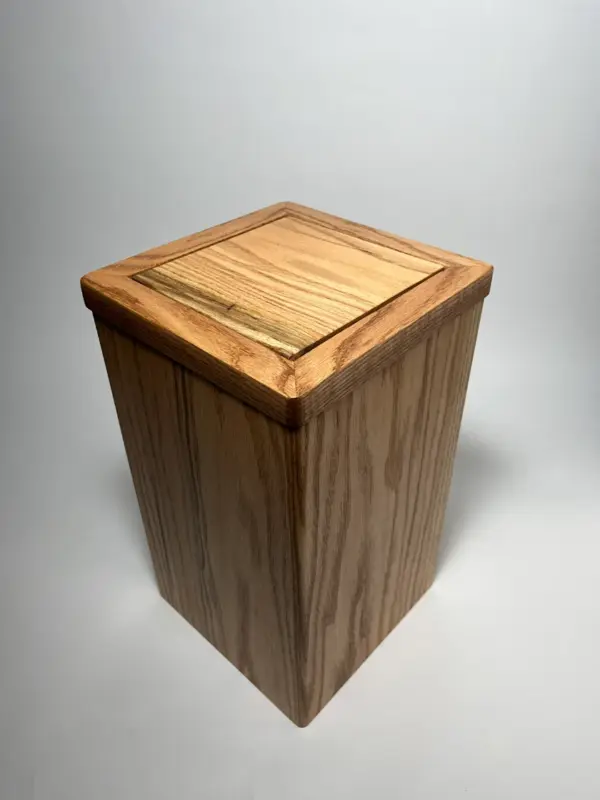
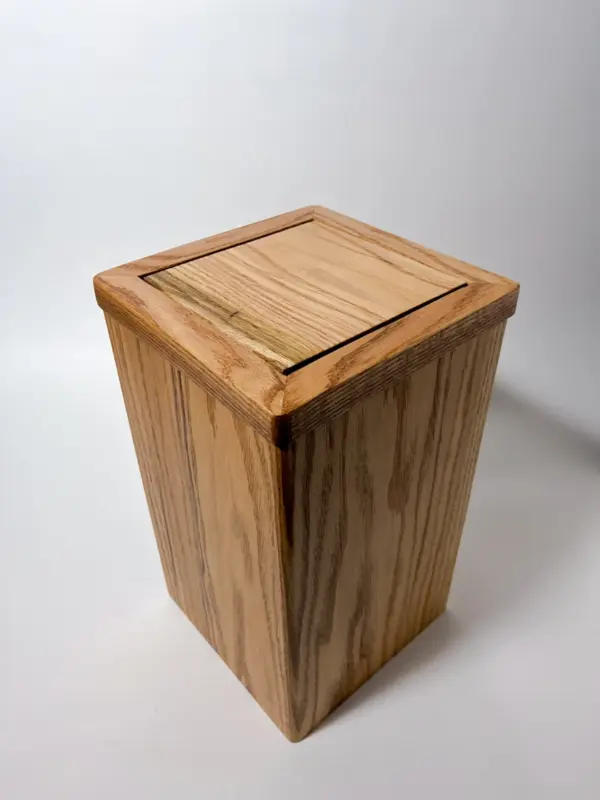
Wooden Utensil Holder
Wood Cutting Boards
Walnut Wooden French Bread Slicer for Baguettes, 1 inch thick slices
Living Room