






What are live edge slabs and why are they popular in home designs
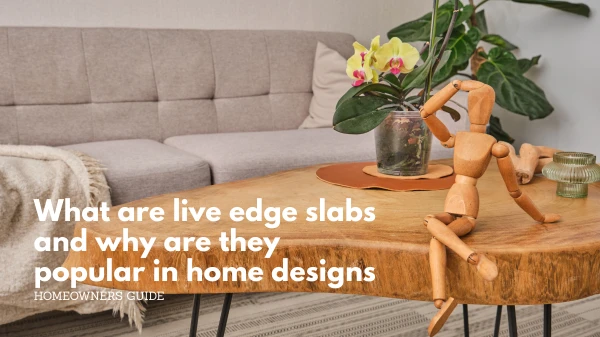
Have you ever marveled at a lovely table, carved out directly from a tree, with the live edges and the grain pattern showing natural artwork, commanding attention in a sleek room? These are live edge slabs, raw wood pieces showing beauty through natural imperfection. This article will explore what they are and why they are becoming popular among home designs.
Table of Contents
What are Live Edge Slabs?
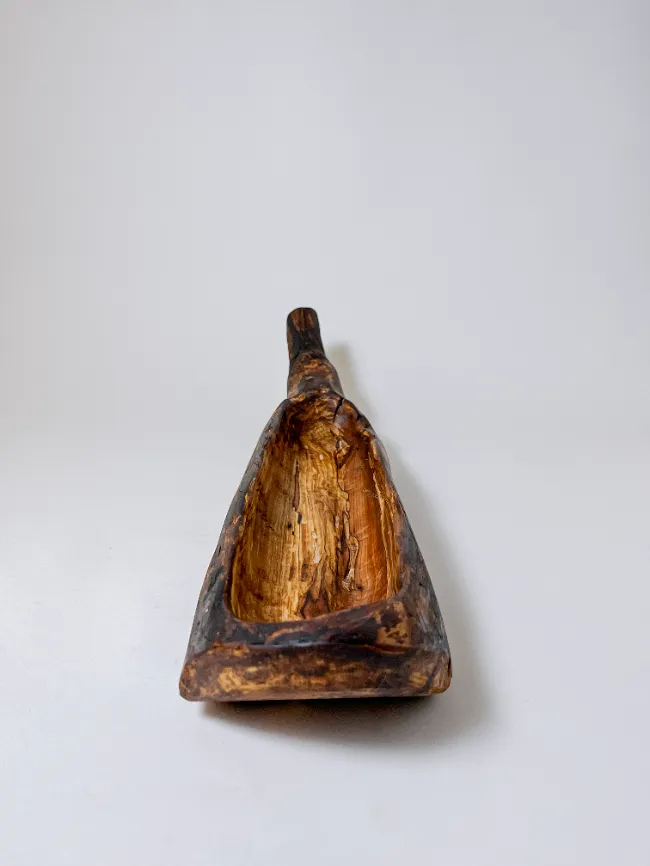
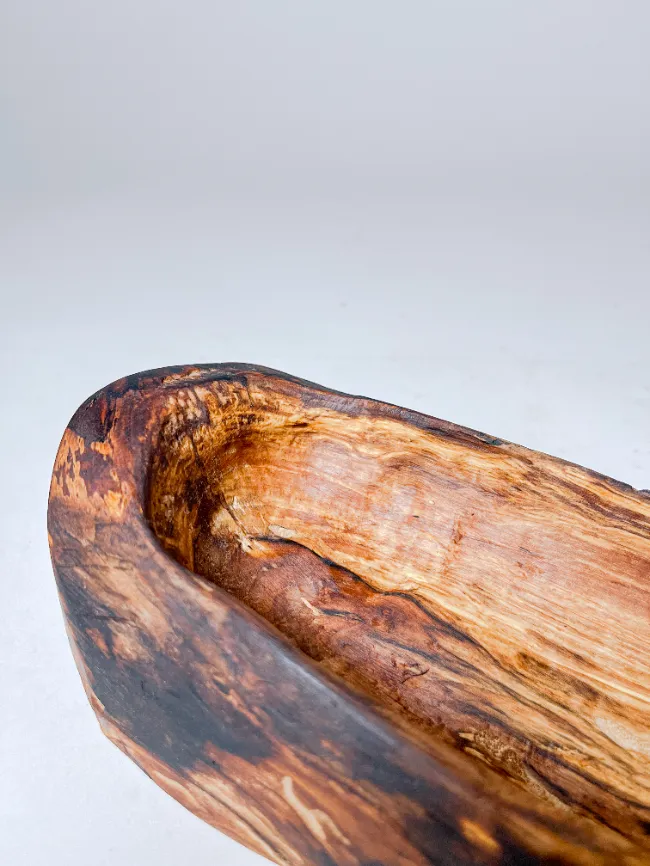
Live edge slabs, also known as natural edge slabs, are wood that are cut directly from trees without losing their natural edge. This means that one or both edges of the wood will have the slab, giving a natural outlook of the wood.
They are becoming a popular variety in design magazines and TV shows. One thing about live edge slabs is that they preserve the natural contours, unlike traditional lumber, which is cut according to regular edges.
History of Live Edge Slabs
While live edge slabs have become a popular feature among home designs, it wasn’t so in the past. It has been present for a long time, as the history of wood can be traced back about 10,000 years.
It started in the 1600s as more of a necessity than for design. Settlers had to make use of wood simply gotten and sawn into unfinished slabs.
In 1946, it was reported that a certain man by the name, George Nakashima, was the founder of this type of design, and that was when the term “live edge slabs” became popular. He had a special love for making the imperfections in wood useful without striving for perfection. This was something no one had done before, making the style avant-garde at the time.
In recent years, live edge furniture has become extremely popular, and people now blend it with different design styles.
Types of Wood Used for Live Edge Wood
Walnut
Walnut is a very popular tree for this kind of furniture type because of its rich dark color and beautiful grain pattern.
Maple
Maple is another tree with a light-colored appearance and a rich grain pattern, which gives a variety of design to live edge slabs.
Red Cedar
Red Cedar is light-colored wood with a distinctive smell. It’s a solid wood for live edge because of its resistance to insects and decay, making it very reliable among other woods.
Oak
Oak wood is a strong and reliable wood. It has a prominent grain pattern, which makes it rank high in selection for flooring and furniture.
Mahogany
Mahogany stands out as a favored wood for its deep, luxurious hues, spanning pale to dark brown tones often accented by red or reddish-brown undertones. Featuring a straight grain and prominent darker growth rings, it delivers striking visual depth.
Related: If you are trying to buy your dining table without experiencing any mistakes that would make you unhappy, read our article on how to avoid common mistakes when buying a dining table
Why They Are So Popular in Home Designs
Uniqueness
Each and every piece of live edge furniture is completely unique. The feel can never be matched, and the design can never be replicated. This gives it a sense of individuality that mass-produced furniture doesn’t have. Whether used as a dining table, coffee table, or statement piece, it gives a touch that can’t be replaced.
Seamless Integration with Modern Designs
Live edge slabs blend well with any design style, including modern interiors. They offer wide versatility and can be used in different display styles. Their natural appearance works beautifully in minimalist décor, while their bold presence enhances other settings. They help balance sleek modern designs with natural warmth.
Sustainable
Live edge slabs are usually made out of sustainable hardwood, which can last a lifetime. Maintenance mainly involves regular oiling from time to time. This makes live edge slabs a long-lasting and eco-conscious choice.
Functional Art
Live edge slabs are a stunning work of wood craftsmanship while remaining highly functional. They can be carved and built into various furniture pieces while serving as artworks in different styles and shapes. They add aesthetic value and durability to any space.
Biophilic Design
One major reason for using live edge slabs in home design is to create a connection with nature. Preserving the wood’s natural aesthetics allows the feel of the forest to come indoors. It offers a sensory experience through sight, touch, and even smell.
Low Maintenance
One key advantage of live edge slabs is that they require minimal maintenance. Because of their hardwood properties, they do not get damaged easily. Regular cleaning with a damp cloth and occasional oiling keeps the wood fresh and vibrant. This makes them a practical choice for busy homes.
Easy to Repair and Refinish
Unlike synthetic or engineered materials, it is easy to repair live edge slabs when scratched or damaged. Minor scratches can be removed with light sanding and refinishing, restoring the wood to its original beauty.
Timeless Appeal
Live edge slabs have a timeless appeal and do not easily succumb to trends. They blend well with both modern and traditional furniture styles. Investing in one guarantees a design that remains relevant for years.
Customizable
Live edge slabs are highly customizable to your exact needs. You can choose the type of wood, size, finish, and overall design to suit your space perfectly.
Conclusion
In a world filled with popular furniture designs, live-edge slabs stand out as an unusual piece of furniture with natural appeal and aesthetic, which blends with both traditional and modern designs. This celebrates the raw form of wood, with its natural edges and grain pattern, making it both functional and artistic. it also offers the distinctive edge that can never be. Choosing live-edge slabs is about bringing nature into the home.
Related: Are you trying to get furniture yourself and you are unsure of your decision-making in getting the best? Read our expert tips on finding quality furniture that last
Recommended for You
Common Mistakes To Avoid when Buying A Dining Table
Neglect These 10 Tips And Ruin Your Wooden Table’s Charm
10 best ways to design a wood panelled room

7 Surprising Reasons To Use Wood Every Day At Home
Cherry vs Birch Wood Table: What to Know Before You Buy

Why Is Walnut The Best Wood For Kitchen Utensils?
Loved by our customers

Edge Grain Cutting Boards
FREE Shipping
Wood Cutting Boards
Walnut Wooden French Bread Slicer for Baguettes, 1 inch thick slices
FREE Shipping
FREE Shipping