







10 tips for working with veneers for craft
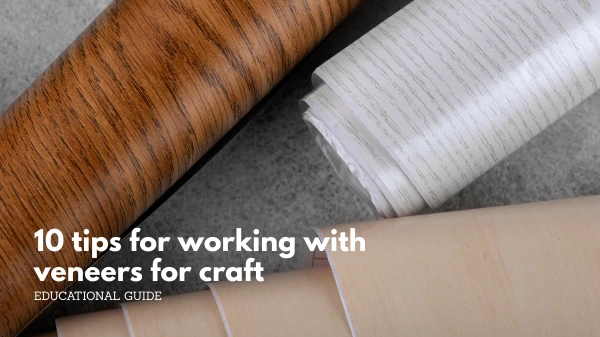
Wood veneer looks intimidating until you actually use it. The thin sheets bend, curl, and split if you breathe wrong, but they let a $40 sheet of plywood look like a $400 walnut panel. For hobbyists building jewelry boxes, speaker cabinets, or refinished side tables, veneer is one of the highest-leverage skills in the woodshop.
The catch: most beginners ruin their first veneer because they skip prep, use the wrong glue, or press unevenly. The good news is that none of those mistakes are mysterious. Once you know the order of operations, the success rate jumps fast.
Below are 10 tips that cover the whole arc of a craft veneer project, from picking the sheet to storing the leftovers. None of this assumes you own a vacuum press or a $2,000 cabinet shop. If you have a clothes iron, a sharp blade, and some PVA glue, you can pull off a clean veneer panel this weekend.
Tools You’ll Need: Sharp utility knife or veneer saw, plus spare blades • 36-inch steel straightedge or aluminum ruler • Blue painter’s tape and veneer tape (gummed paper kind) • PVA wood glue (Titebond II or III) and a small foam roller • A flat substrate: 1/2-inch or 3/4-inch MDF, sized to your project • Two flat cauls (MDF works) plus four to six clamps, OR a household iron • Cabinet scraper or 220-grit sandpaper for trimming and smoothing • A flat box or large folder to store leftover veneer between projects
Table of Contents
1. Pick the Right Veneer for Your Project
Veneer comes in three flavors, and your project should pick which one. Raw veneer is single-sheet wood, usually around 1/40-inch thick, with no backing. It looks the most authentic and takes finish like solid wood, but it cracks easily and needs flattening before use.
Paper-backed veneer is the same wood with a thin paper layer glued to the back. It bends around curves, resists splitting, and works great for first-time crafters covering a flat-top jewelry box or a guitar headstock. PSA (peel-and-stick) veneer has factory adhesive on the back, so you skip the glue step entirely.
For a beginner craft project, paper-backed veneer is the sweet spot. It hides small mistakes, glues with PVA, and won’t telegraph substrate flaws as much as raw veneer. Save raw veneer for when you’ve done two or three smaller projects and want the upgrade.
2. Flatten Warped Veneer Before You Cut Anything
Raw veneer almost always arrives with curl, kink, or buckle from being rolled in shipping. If you try to glue a curled sheet flat, you’ll fight bubbles, splits, and lifted corners forever. Flatten first, cut second.
For mild curl, mist the back with distilled water using a spray bottle, sandwich the sheet between two flat pieces of MDF, and weight it overnight. For aggressive curl, mix a softener: 4 parts water, 2 parts glycerin, 1 part denatured alcohol, and 2 parts plastic-resin glue per The Wood Whisperer’s flattening recipe.
Brush both sides, sandwich between fiberglass screen and absorbent paper, and clamp lightly for 24 hours. Skip the glue in your softener mix if you plan to stain the final piece, since the resin will block stain absorption.
3. Choose a Flat, Stable Substrate
Your veneer is only as flat as the substrate underneath. MDF in 1/2-inch or 3/4-inch is the gold standard because it’s dead flat, dimensionally stable, and absorbs glue evenly. Cabinet-grade plywood works too, especially for larger panels, but cheap plywood telegraphs voids and rough grain through thin veneer.
Avoid these substrates for craft veneering:
- Raw construction-grade plywood (knots and voids show through)
- Particleboard with a melamine coating (glue won’t bond well)
- Old finished wood you haven’t fully stripped
- Existing veneer (the new heat and moisture can delaminate the old layer)
For thin panels under 1/4-inch, tempered hardboard is a budget pick. Just sand the substrate lightly with 120-grit before gluing so the surface has tooth.
4. Cut With a Sharp Blade and a Steel Straightedge
Dull blades crush veneer fibers and leave fuzzy edges. A sharp utility knife with fresh blades, paired with a heavy steel straightedge, is the cheapest reliable cutting kit. Veneer saws (small curved-tooth saws) work too, but most crafters never need one.
Score the veneer in three light passes rather than one heavy chop. The first pass marks the line, the second deepens it, the third cuts through. Always cut with the grain when possible, since cross-grain cuts are where splits start.
Tape both sides of the cut line with blue painter’s tape if the veneer is brittle or figured. The tape supports the fibers during the cut and stops chip-out at the edges.
5. Tape Your Seams Before You Glue
When you’re joining two pieces of veneer to cover a wide panel, the seam has to be invisible after gluing. The trick is to tape the seam before the glue goes on, not after. This holds both sheets in perfect alignment so the glue can’t shift them.
Lay the two sheets edge-to-edge on a flat surface, push them together until the joint disappears, then run a strip of blue painter’s tape along the seam. Some crafters prefer gummed veneer tape (the brown paper kind that activates with water), which pulls off cleanly with a damp rag after the glue dries.
Avoid masking tape and Scotch tape. Both leave residue that interferes with finish, and they’re too sticky for delicate veneer.
6. Match the Glue to the Veneer
Glue choice is where most veneer projects live or die. PVA wood glue (Titebond II or III) is the most beginner-friendly option for raw and paper-backed veneer. It’s forgiving, lets you reposition before clamping, and bonds well with cauls or a vacuum press.
Contact cement is faster and skips the clamping step, but it’s controversial. Per Popular Woodworking’s veneer guide, contact cement bonds well to paper-backed and 2-ply veneer but produces weaker bonds on raw single-ply veneer that can fail over time. Use contact cement on paper-backed only.
Hide glue is the traditional choice for furniture restoration and works beautifully with a hammer-veneer technique, as covered in Popular Woodworking’s hide glue tutorial. Reserve it for matching restoration work, since it has a learning curve.
For most craft projects, default to PVA. It’s cheap, available everywhere, and forgiving of beginner mistakes.
Common Mistakes to Avoid: Gluing curled veneer flat without flattening first (guarantees bubbles) • Using contact cement on raw single-ply veneer (bond fails over time) • Over-sanding through the thin veneer face • Storing leftover sheets rolled up instead of flat • Veneering directly over old finish or existing veneer
7. Press With Even Pressure (Cauls or Vacuum Bag)
Even pressure is the difference between a flat panel and a bubbled mess. A vacuum press gives perfect, uniform pressure across the whole surface, which is why pros use them. For a hobbyist, a vacuum bag kit runs $200 to $400 and is worth it if you plan to do this regularly.
No vacuum bag? Use cauls: two pieces of flat MDF, larger than your panel, clamped together with the veneer-glue-substrate sandwich in the middle. Add 6 to 8 clamps spaced 4 inches apart, working from the center out so you push trapped air toward the edges.
Per Joe Woodworker’s veneering primer, you want about 75 PSI of pressure for a solid bond. Leave clamped for the full glue cure time (usually 24 hours), not just the “tack” time printed on the bottle.
8. Use the Iron-On PVA Method When You Don’t Have a Press
No press, no clamps, no problem. The iron-on PVA method is the single most beginner-friendly veneer technique, and it works on any panel a household clothes iron can reach.
Roll a thin even coat of Titebond II on both the veneer back and the substrate. Let both surfaces dry completely (about 30 minutes) until they’re no longer tacky. Position the veneer carefully, then iron through a paper towel or thin cotton cloth on the cotton/linen setting.
The heat reactivates the dry glue and bonds it instantly. Titebond II reactivates around 250 degrees Fahrenheit, Titebond III around 350 degrees. Work in small sections, pressing the iron firmly and moving steadily, and roll behind the iron with a J-roller or wallpaper seam roller for full contact.
9. Trim Edges With Light, Patient Passes
Once the glue cures, your veneer panel will have overhanging edges to trim. The instinct is to grab a flush-trim router bit and rip them off, but routers chip raw veneer at the corners. Take the slow road instead.
Score the overhang with a sharp utility knife from the top side, then snap and sand the waste off with a sanding block. For a cleaner edge, use a cabinet scraper held at a slight angle to shave the edge flush. Two or three light passes with 220-grit sandpaper finish the job.
If you must use a router, run the bit slowly with a sharp bearing-guided flush-trim cutter, and back up brittle areas with painter’s tape. Climb-cutting (going against the normal feed direction) reduces tear-out at corners, but practice it on scrap first.
10. Finish Gently and Store the Leftovers Flat
Veneer takes finish differently than solid wood because it’s thin enough that aggressive sanding can cut right through. Sand with 220-grit at most, going with the grain, and stop before the figure starts to disappear.
For finishing oil, wax, or a wipe-on poly, follow the same prep you’d use on solid hardwood. Tom’s guide on how to finish wood like a pro covers the full sequence, and his breakdown of polish, oil, or wax helps you pick a topcoat that matches the look you want.
Store leftover veneer flat, never rolled. Slide it between two pieces of MDF or cardboard, label it with species and date, and keep it in a dry spot away from direct sun. Properly stored veneer keeps for years.
Putting Your First Veneer Project Together
Veneer rewards patience. Skip prep and you’ll fight bubbles for the rest of the project, but spend an extra hour flattening, taping, and dry-fitting and the whole thing comes together cleanly.
Start with a small project: a jewelry-box lid, a clipboard, a guitar pick guard. Use paper-backed veneer, PVA glue, and the iron-on method. Once you’ve nailed one panel, scaling up to a tabletop or a cabinet door is just more of the same technique.
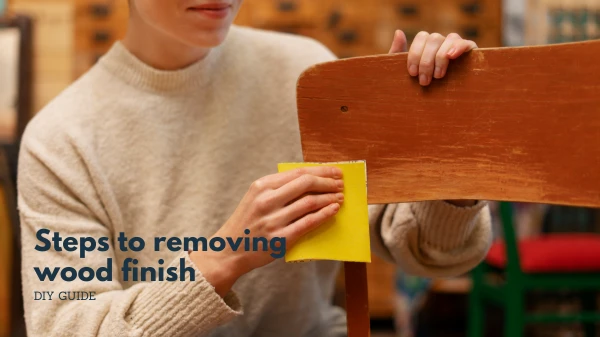
For a deeper dive into the woodworking ecosystem these projects live in, browse our guides on hardwood versus softwood trees, removing old wood finish, and how to make veneer at home when you’re ready to slice your own.
Frequently Asked Questions
What’s the best glue for wood veneer?
Match the glue to the veneer type. For paper-backed or 2-ply veneer, contact cement works fast and bonds permanently with no clamping needed. For raw wood veneer, skip contact cement (the bond is too weak per pro cabinetmakers on Reddit r/woodworking) and use cold-press veneer glue or plastic-resin glue (Unibond 800) with clamps or a vacuum bag. PVA wood glue with the iron-on method is the most beginner-friendly route: it’s forgiving, lets you reposition, and gives a stronger bond than contact cement on wood-to-wood applications. Avoid Titebond Original on raw veneer because the soft glue line allows seasonal creep.
How do I flatten warped or curled veneer?
Mix a softener solution and press the veneer flat overnight. The Wood Whisperer’s recipe is 4 parts water, 2 parts glycerin, 1 part denatured alcohol, and 2 parts plastic-resin glue. Brush both sides of the veneer, sandwich it between fiberglass screen and absorbent paper inside a plywood press, and clamp lightly for 24 hours. For mild curl, simply mist the back lightly with water and weight it between two flat MDF boards for a day. Pre-mixed softeners (like Super-Soft 2 from Veneer Supplies) skip the recipe step. Note: glue in the softener mix will inhibit stain absorption, so reserve that recipe for veneer you plan to leave natural or finish clear.
Can I apply veneer without a vacuum press?
Yes, you have three solid no-press options. First, the iron-on PVA method: roll a thin coat of PVA on both surfaces, let it tack up for 30 minutes, place the veneer, then iron through a paper towel or cotton cloth on a high setting until the glue reactivates and bonds. Titebond II reactivates around 250 degrees, Titebond III around 350 degrees. Second, contact cement: coat both sides, wait 15 to 20 minutes until tacky, position carefully (no second chances), and roll firmly with a J-roller. Third, traditional hammer veneering with hot hide glue, which is the old-school furniture-restoration method. For beginners, iron-on PVA is the most forgiving.
What thickness of substrate works best for veneering?
MDF in 1/2 inch or 3/4 inch thicknesses is the gold standard for flat panels. It’s dimensionally stable, dead flat, and accepts glue evenly without telegraphing grain through the thin veneer. Cabinet-grade plywood and particleboard also work, but raw plywood can show edge voids and uneven absorption. For thin panels (1/8 inch or 1/4 inch), tempered hardboard is a good budget pick. Avoid veneering directly over old finished wood unless you fully strip it, and never veneer over existing veneer (the heat and moisture from new glue can delaminate the old layer).
Why is my veneer bubbling or lifting after gluing?
Three usual suspects. First, the contact cement may not have dried fully before pressing (wait until both surfaces are dry to the touch before bonding). Second, you may have used too much glue, which forms a soft pad that traps air and never fully cures. Third, you may not have applied enough pressure during the bond (contact cement needs firm rolling with a J-roller across every square inch, not just weight on top). Fix small bubbles by slitting them with a razor, injecting fresh glue with a syringe, and pressing with a warm iron through a cloth. For widespread bubbling, the only real fix is to peel off the veneer and start over with proper technique.
Loved by our customers
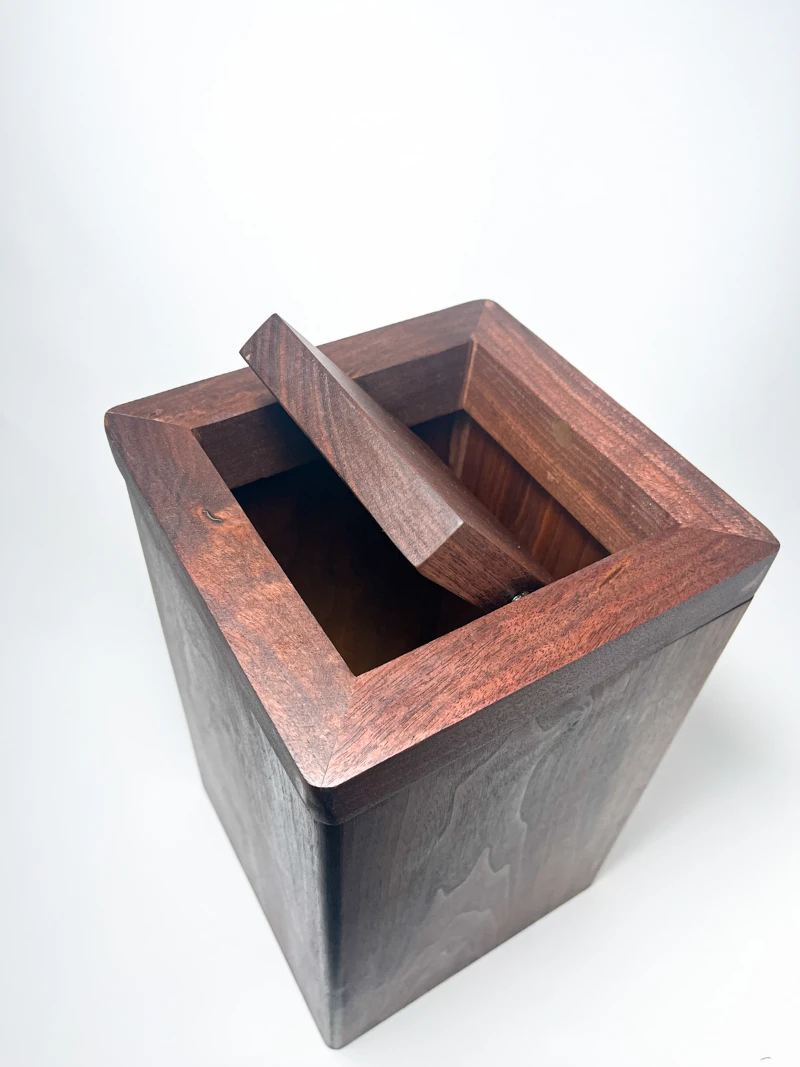
Wooden Utensil Holder
Wood Cutting Boards
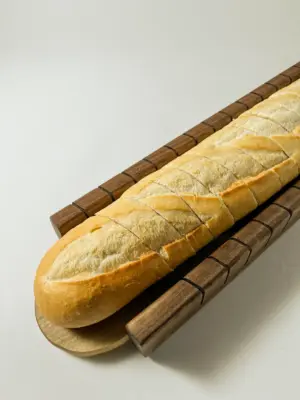
Walnut Wooden French Bread Slicer for Baguettes, 1 inch thick slices
Living Room