







10 Best Carving Wood For Beginners
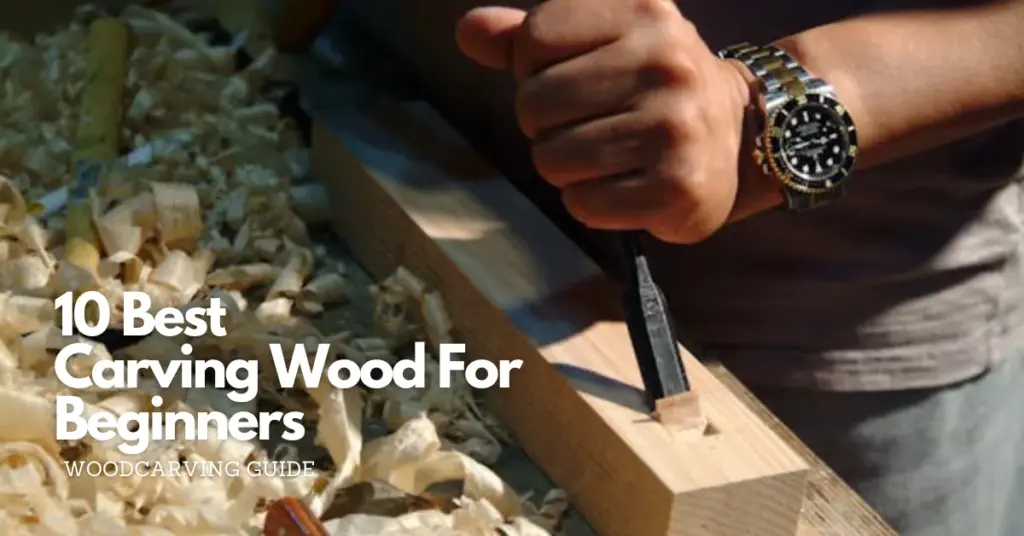
Wood carving is one of the oldest crafts in human history, transforming simple blocks of wood into beautiful works of art. For beginners, the first challenge is not the knife, but the choice of wood. Picking the wrong type of wood can make carving frustrating splitting, chipping, or resisting every cut. The right wood, however, feels smooth under your tools, responds well to detail, and makes learning enjoyable.
In this guide, we’ll explore the top 10 best carving woods for beginners. These woods are easy to carve, widely available, and perfect for helping you develop carving skills while creating projects you can be proud of.
Table of Contents
What Makes a Wood Beginner-Friendly for Carving?
The best carving wood for beginners hits three marks: soft enough to take a clean cut without fighting your blade, tight enough in the grain to hold detail, and stable enough that it won’t split as you work. Hardness sits at the heart of that balance and is measured by the Janka scale (you can browse the standard ratings in the USDA Forest Products Lab Wood Handbook). For carving practice, you want woods between roughly 350 and 1,000 lbf. Anything softer crumbles, anything harder demands sharper tools and stronger hands than a beginner usually has.
Grain pattern matters almost as much as hardness. Tight, uniform grain (like basswood) lets you carve in any direction without tear-out. Open or wild grain (like oak) snags the tool and chips. The sweet spot for new carvers is a wood that feels like firm cheese, not green apple, when you push a knife through it. The 10 picks below cover the full range from butter-soft practice wood to advanced challenges, so you can graduate as your skill grows.
Basswood: The Perfect Start for Wood Carving
Basswood is often considered the best wood carving option for beginners. Its soft texture and fine, even grain make it easy to shape without much resistance. It also holds fine details well, which is why it’s used in everything from toy soldiers to decorative figurines.
Most carving books and tutorials recommend basswood, and for good reason it’s affordable, readily available, and doesn’t wear down your tools quickly. If you’re just starting, basswood should be your first choice.
According to Woodcarving Illustrated, basswood is the most popular choice for both beginners and professionals.
Basswood (also called linden in Europe) is the gold standard for new carvers. Janka rating sits at a forgiving 410 lbf, the grain is so fine it almost looks pore-free, and the cream color shows tool marks clearly so you can self-correct as you work. Most carving books, including the classics from Chris Pye and Lora Irish, use basswood for their teaching examples. A 4 by 4 by 12 inch block runs about $8 to $15 online, which makes it cheap enough to keep a stack on hand.
Aspen: Affordable and Easy to Handle
Aspen is another beginner-friendly wood. Slightly harder than basswood but still easy to carve, aspen is inexpensive and widely sold in craft stores.
It doesn’t splinter easily, making it a good choice for whittling projects or relief carvings.
Aspen behaves a lot like basswood but costs about half as much in some regions of North America where it grows abundantly. The Janka rating is around 350 lbf, putting it at the soft end of the practice spectrum. Aspen tends to fuzz slightly when carved across the grain, so a finishing pass with a sharp detail knife or fine sandpaper is usually needed. Great for relief carving practice and quick-turnaround projects.
Butternut: A Softer Alternative to Walnut
Butternut, often called “white walnut,” has a soft texture and attractive grain. It’s great for beginners because it’s lighter to cut through than walnut but still gives your carvings a beautiful finish.
Many carvers use butternut to make bowls, signs, and furniture accents.
Butternut sits at about 490 lbf Janka and gives you something basswood can’t: real warmth in the finished color. The wood looks like a lighter, gentler walnut once you apply oil, with cathedral grain patterns that frame carved figures beautifully. Butternut has been hit hard by the butternut canker disease, so sourcing has tightened in recent years. When you find it, expect to pay $12 to $25 per board foot.
Black Walnut: Elegant but More Advanced
Walnut is prized for its deep, chocolate-brown color and durability. While harder than basswood or butternut, it’s an excellent wood once you gain some confidence.
Walnut carvings last for decades, making it ideal for heirloom pieces like boxes, handles, and sculptures.
Black walnut steps up the difficulty considerably with a Janka rating around 1,010 lbf. The grain is more interlocked than the softer beginner woods, which means you’ll feel resistance and need sharper tools. The payoff is that finished walnut carvings look like museum pieces. Save walnut for the third or fourth project once your edge sharpening is solid. Expect $8 to $15 per board foot.
Cherry: Beautiful and Long-Lasting
Cherry wood is moderately hard, but it rewards beginners with a smooth carving experience once tools are sharpened properly.
Over time, cherry develops a rich reddish-brown color that adds elegance to carved projects. Many woodworkers use cherry for spoons, bowls, and small decorative carvings.
Cherry comes in around 950 lbf Janka, similar to walnut, but the grain is straighter and more cooperative. The pinkish-tan starting color deepens to a rich amber over a year of light exposure, which is one of the most rewarding aging effects in any wood. Cherry’s downside for carving is that it can develop tear-out around knots, so plan your cuts around them rather than through them. A solid intermediate pick.
Pine: Budget-Friendly Practice Wood
Pine is affordable and available almost everywhere. It’s soft and lightweight, but beginners should know that its uneven grain and resin pockets can be tricky.
Despite this, practicing on pine teaches you patience and tool control skills every wood carver needs.
Related: Read more on this article for discovering the essential wood carving tools every beginner needs to start carving immediately.
Pine is the cheapest and most widely available carving option, with eastern white pine running about 380 lbf Janka. The catch is the grain: pine has alternating soft early-wood and harder late-wood bands that can rip out unpredictably. Pick boards with tight, uniform grain (the lines should be close together and parallel) and avoid any with knots. Best treated as practice wood rather than display material.
Cedar: Soft and Aromatic
Cedar is soft, lightweight, and easy to carve. Its natural aroma adds something special to your work. Cedar also resists insects, making it good for decorative projects like chests, plaques, and rustic crafts.
Beginners often enjoy cedar because it carves easily with both knives and chisels.
Western red cedar carves like soft butter at around 350 lbf Janka and smells phenomenal while you work. The aromatic oils that give cedar its scent also act as natural insect repellents, which is why it’s the traditional wood for carved chests and closet linings. Be aware that cedar dust is a respiratory irritant; OSHA classifies wood dust generally as a workplace hazard and cedar specifically can trigger asthma in sensitive carvers, so wear a mask.
Mahogany: A Balanced Choice
Mahogany is widely known in furniture making but also works well for wood carving. It strikes a balance it’s not too soft, not too hard, and offers a fine grain.
Beginners who are ready to challenge themselves beyond basswood often choose mahogany for detailed reliefs or decorative panels.
Genuine Honduran mahogany sits at about 800 lbf Janka and delivers what carvers call “buttery” cutting: smooth, predictable, almost no tear-out. The deep reddish-brown finishes itself with a single coat of oil. Sourcing is the catch. CITES restrictions apply to true mahogany, so always check the species (Swietenia macrophylla) and ask sellers for chain-of-custody documentation. African mahogany substitutes are looser-grained and not as nice to carve.
Maple: Hard but Worth the Effort
Maple is a hardwood, which means it can be tough for absolute beginners. But once you’ve practiced on softer woods, maple becomes an excellent step up.
It’s durable, holds crisp details, and is perfect for carving spoons, handles, and intricate designs that need strength.
Maple comes in at roughly 1,450 lbf Janka, which is a wall for new carvers. The pale color and tight grain hold incredible detail though, which is why master carvers love it for fine relief work and netsuke-style miniatures. Don’t even attempt maple until your tool sharpening routine is dialed in and you’ve worked through walnut comfortably. Hard maple is what you want; soft maple is too unpredictable for fine work.
Oak: Traditional and Strong
Oak is one of the toughest woods on this list. While not recommended for your very first carving, it’s a great option once you’ve gained experience.
Its strength and durability make it ideal for larger, bolder carvings like furniture details and outdoor decorative pieces.
Oak is the most challenging wood on this list at about 1,290 lbf Janka, with wide open grain that catches every tool slip. Red oak especially is notorious for tearing out around the spring-wood pores. White oak’s tighter grain makes it slightly more forgiving. Oak is included here because traditional European carving (heraldic work, church furnishings) lived in oak for centuries; mastering it is a rite of passage, not a starting point.
Tools and Habits That Speed Up Your Carving Progress
The wood is half the equation. The other half is what you bring to it. Three habits will accelerate your progress more than any single tool upgrade. First, sharpen before every session, not when the blade gets dull. A sharp tool cuts wood; a dull tool tears it and teaches your hand bad muscle memory. A simple leather strop with green polishing compound takes thirty seconds to use and keeps a knife shaving-sharp for hours.
Second, carve with the grain whenever possible. Watch which way the wood fibers want to go and angle your cuts to slice along them, not against them. When the tool starts skipping or the surface starts fuzzing, you’re going against the grain and need to flip your approach. Third, oil your project as soon as it’s finished. Mineral oil, walnut oil, or a beeswax blend protects the carving and brings out the wood’s depth. Skip stains and varnishes for your first ten pieces; they hide the very details you worked to create.
Choosing the Best Wood for Carving Success
When starting out in wood carving, beginners should stick with softwoods like basswood, aspen, or butternut. These woods allow you to learn tool handling and practice details without constant frustration. As your confidence grows, you can move on to walnut, cherry, and oak for more advanced projects.
To get the best results, always keep your tools sharp and condition the wood with carving oil when needed. Matching the right wood with the right project makes learning smoother and more rewarding.
For more details on tool care and carving tips, Fine Woodworking offers expert resources.
Learning wood carving is easier when you choose the right wood. Start with forgiving options like basswood, then work your way up to stronger woods like walnut and oak as your skills improve.
Frequently Asked Questions
Loved by our customers
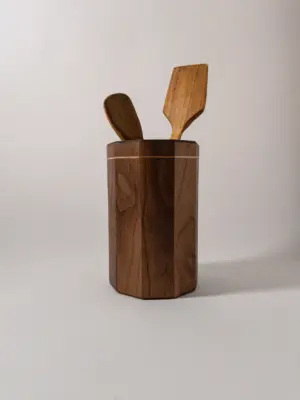

Wooden Utensil Holder
You Save: $15.00 (18%)
Original price was: $85.00.$70.00Current price is: $70.00. excl. tax
Wood Cutting Boards
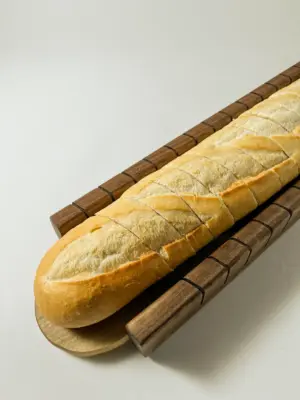
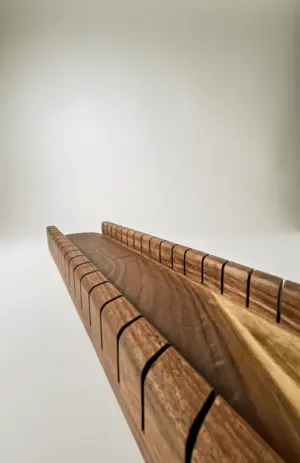
Walnut Wooden French Bread Slicer for Baguettes, 1 inch thick slices
You Save: $15.00 – $30.00
Price range: $145.00 through $265.00 excl. tax
Living Room
You Save: $15.00 (20%)
Original price was: $75.00.$60.00Current price is: $60.00. excl. tax