







How to Finish Wood Like a Pro
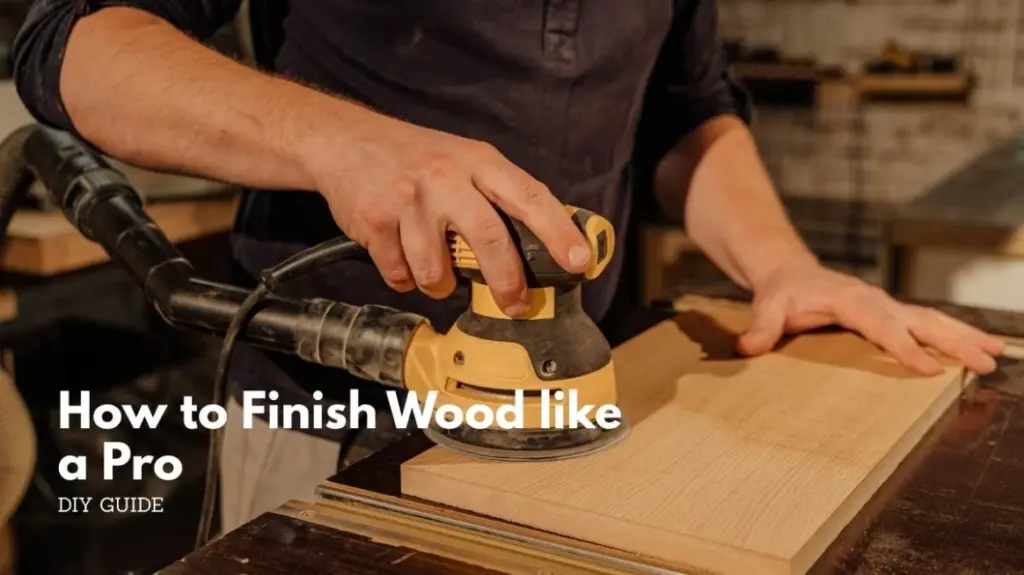
Wood finishing is the final step in woodworking. It elevates furniture into a long-lasting, high-quality piece while providing protection against moisture, scratches, and daily wear. A good finish also highlights the natural beauty and grain patterns of the wood. When done properly, finishing ensures your project lasts longer, resists fading, and maintains its resale value. Learning how to finish wood like a pro is what separates basic woodworking from truly professional craftsmanship.
In this guide, you will learn how to finish wood professionally, essential tools and materials, and the correct application of different types of finishes. These steps will help you work with confidence, efficiency, and results that reflect the skill of a seasoned artisan.
Table of Contents
Understanding Wood and Finishes
Finishing wood like a professional begins with understanding wood itself.
Different wood species absorb stains, oils, and topcoats differently due to variations in pore size, density, and grain structure. Tight-grained woods such as maple absorb finishes slowly and can become blotchy, while open-pored woods like oak absorb finishes quickly.
Because of these differences, it is always important to test finishes on scrap wood before applying them to your main project. This helps you understand how the wood will react and allows you to adjust your wood staining technique accordingly. This understanding is essential if you want to learn how to finish wood like a pro and avoid common finishing mistakes.
Key Finish Types
Oil-Based Finishes
Oil-based finishes penetrate deeply into the wood, creating a warm, hand-rubbed glow. They enhance the grain and add aesthetic value, though they tend to yellow over time. These finishes dry slowly, often requiring at least 24 hours to fully cure. Oil-based finishes are ideal for cutting boards and indoor furniture where a natural look is desired.
Water-Based Finishes
Water-based finishes dry much faster than oil-based options, usually within two hours. They are well suited for light-colored projects and do not yellow over time. These finishes are low-odor, easy to clean up, and ideal for modern furniture and indoor projects.
Related: Read this article to learn the pros and cons of oil based finishes vs water based finishes.
Varnish
Varnish is one of the best finishes for water resistance. It is commonly used for tabletops and outdoor or marine projects such as boats. However, it requires sanding between coats to achieve a smooth and durable surface, especially when using amber-tinted varieties.
Polyurethane
Polyurethane can be oil-based or water-based. It is a very durable surface finish that protects against spills, dents, and heavy use. It can be brushed on for thicker builds and is especially effective at hiding surface imperfections, making it suitable for high-traffic furniture.
Shellac
Shellac is made from dewaxed flakes dissolved in alcohol, producing a glossy, fast-drying finish with a smooth feel. It allows for quick layering of thin coats but can soften under heat or alcohol. Shellac is commonly used as a sealer or as a base for French polishing.
Our Top Picks
Walrus Oil – 100% Pure Tung Oil, Wood Finish for Any Woodworking Project, Natural, VOC-Free
Tried & True Danish Oil, Pint – Pure Polymerized Linseed Oil Wood Finish
UltraPro Food Grade Mineral Oil for Lubricating and Protecting Cutting Board, Butcher Block
Steps to Finishing Wood Like a Pro
These steps are designed to help beginners and experienced woodworkers learn how to finish wood like a pro using proven techniques.
Set Up Your Workspace for Success
A clean, well-organized workspace is essential for professional results. Ensure the area is dust-free and well-ventilated. A tidy workspace reduces mistakes, prevents contamination, and creates a safer working environment.
Preparing the Wood
Once the workspace is ready, the next step is preparing the wood. Clean the surface to remove dirt or residue that could affect the finish. For unfinished wood, avoid excessive water; a light wipe with a clean cloth is sufficient. Allow the wood to dry completely before proceeding.
Inspect the surface carefully for cracks or dents. If necessary, fill imperfections with wood filler to ensure a smooth and consistent final finish.
Sanding Your Wood
Sanding is a critical step in surface preparation. It ensures the wood is smooth, even, and free of old finishes. Begin with coarse-grit sandpaper to remove imperfections or previous coatings, then progress to finer grits for a smooth surface.
Always sand in the direction of the wood grain to prevent scratches. After sanding, remove all dust and debris so the finish can adhere properly.
Staining Your Wood
Stain enhances the wood’s appearance by bringing out the grain. Choose a stain that suits both the wood type and your desired result. Testing the stain on scrap wood helps ensure the final color meets your expectations.
Apply the stain using a brush, cloth, or foam applicator. Wipe off excess stain with a clean cloth to prevent blotchiness and achieve an even color.
Applying the Finish
Applying the finish requires patience, precision, and proper technique. Start by thoroughly mixing the finish to ensure consistency. Apply the first coat using a high-quality brush, lint-free cloth, or spray method, depending on the finish type and surface size.
Allow adequate drying time between coats. Water-based finishes typically dry within two to four hours, while oil-based finishes may require at least 24 hours. Light sanding between coats helps remove imperfections and prepares the surface for subsequent layers.
Conclusion
Learning how to finish wood like a professional is a process that combines preparation, patience, and attention to detail.
Understanding how different woods react to finishes, choosing the right finishing product, and following proper steps from workspace setup to final coating plays a major role in achieving durable and visually appealing results.
When each stage is handled carefully, the finished piece looks refined, stands up to daily use, and preserves both its beauty and long-term value.
Related: Read article on which of the wood finish is the best.
This article contains affiliate links #ad
Loved by our customers

Edge Grain Cutting Boards
FREE Shipping
Wood Cutting Boards
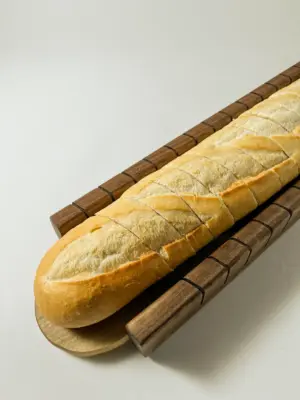
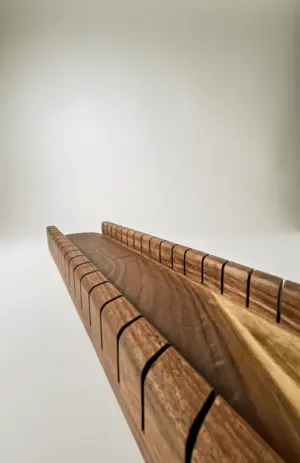
Walnut Wooden French Bread Slicer for Baguettes, 1 inch thick slices
FREE Shipping
FREE Shipping