







How to refinish old wood floors without sanding
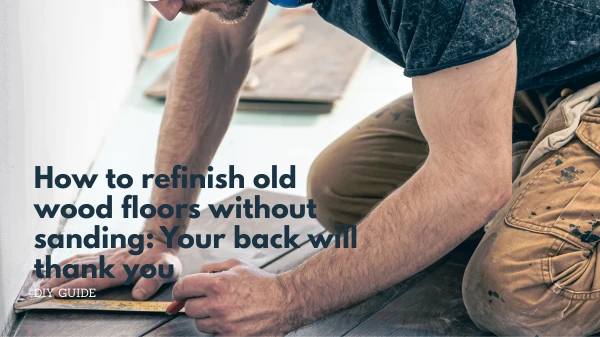
If the thought of refinishing your wood floors brings flashbacks of images of dust clouds, rented sanders, and a weekend you’ll never get back, I have news that’ll make you dance across those worn-out planks. You can actually refinish old wood floors without sanding in many cases. Better yet, these methods work beautifully when done correctly.
Traditional sanding creates chaos. It fills your home with dust for days. It costs hundreds of dollars in equipment rental. Plus, it requires serious physical effort and skill. Fortunately, several alternatives exist that deliver impressive results. These methods save you time, money, and your sanity.
In this guide, we’ll explore three proven techniques to refinish old wood floors without sanding. You’ll learn when each method works best and how to apply them step by step. By the end, you’ll know exactly which approach suits your floors and your budget.
Table of Contents
Why You’d Want to Skip the Sanding (And When You Can)
Sanding wood floors isn’t just tedious. While it is not expensive, it’s messy and loud enough to make your neighbors question your life choices.
The average floor sander rental costs between $30 and $40 per day (Menards). Additionally, the dust penetrates everywhere. You’ll find it in your closets, your dishes, and somehow inside sealed containers.
The physical demand poses another challenge. Operating a heavy drum sander requires strength and technique. One wrong move can gouge your floors permanently. Many homeowners underestimate this learning curve and end up calling professionals anyway, but you can skip this step and learn how to refinish old wood floors without sanding.
The Downsides of Traditional Sanding
First, consider the cost factor. Professional sanding runs between $3 and $8 per square foot. Meanwhile, DIY sanding still requires relatively expensive equipment rental plus finishing materials.
Second, the mess is legendary. Despite containment efforts, fine dust travels through air vents and settles everywhere.
Third, the noise level disrupts your entire household for days. Finally, you risk damaging your floors if you lack experience with the equipment.
When Sanding-Free Methods Work Best
Not every floor needs the nuclear option of full sanding. You can refinish old wood floors without sanding when certain conditions exist. Surface-level wear responds beautifully to gentler methods. Floors with dull finishes but intact protection layers are perfect candidates. Similarly, hardwood in decent structural condition doesn’t require aggressive treatment.
Quick refreshes between major refinishes work exceptionally well with these techniques. If your floors were refinished within the past decade, you likely don’t need to sand again. Instead, you can restore their beauty with far less effort and expense.
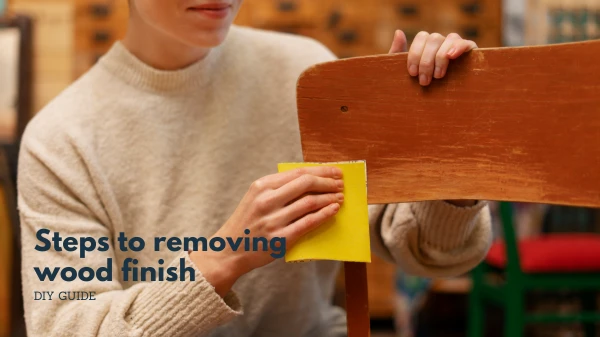
Related: Start with the basics first and follow these Steps to Removing Wood Finish before you begin the refinishing process.
Method 1: The Screen and Recoat Technique
Think of screening as sanding’s gentler, more sophisticated cousin who went to finishing school. This method uses a buffer with a special screening pad. The pad lightly abrades the existing finish without cutting into the wood itself.
Consequently, you create the perfect surface for a fresh coat of finish.
What You’ll Need
Gather these essential supplies before starting. You’ll need a floor buffer with a screening pad attachment. Most hardware stores rent these machines affordably. Next, get a powerful vacuum and several tack cloths. Choose a quality wood floor polyurethane or finish. Don’t forget safety gear including a respirator, safety glasses, and knee pads.
Premium Tack Cloth (Pack of 24) – Professional Grade Dust and Particle Remover
Clear Safety Glasses for Men and Women with Anti-Fog and Scratch Resistant
3M P95/OV Paint Project Reusable Respirator 6211, Medium Size, NIOSH-APPROVED
Step-by-Step Process
This method works like a charm when your finish is worn but the wood underneath is still protected. Start by deep cleaning your floors thoroughly. Remove all furniture and sweep meticulously. Then mop with a hardwood floor cleaner and let it dry completely.
Next, attach the screening pad to your buffer. Work in sections, moving the buffer in smooth, overlapping passes. The screening pad will dull the existing finish and remove surface imperfections. This process creates tiny scratches that help the new finish adhere properly.
After screening, vacuum everything multiple times. Use a tack cloth to pick up every last dust particle. Any debris left behind will show up in your final finish.
Apply your chosen polyurethane or finish according to the manufacturer’s directions. Most products require two to three thin coats. Allow proper drying time between each application.
Best For
This technique excels for floors refinished within the last 10 years. It handles surface scratches and dullness beautifully. However, it won’t fix deep gouges or areas where the finish has completely worn away. Think of screening as preventive maintenance rather than major restoration.
Method 2: Chemical Abrasion (Liquid Deglosser)
When even screening feels like too much work, chemistry rides to the rescue. Chemical abrasers, also called liquid deglossers, offer another way to refinish old wood floors without sanding. These products break down the existing finish chemically. They create a surface that accepts new coatings without mechanical abrasion.
How Chemical Abrasion Works
Liquid deglossers contain powerful solvents. These solvents soften and slightly dissolve the old finish. This process prepares the surface for new coating while creating significantly less mess. You won’t deal with dust clouds or heavy equipment. Instead, you’ll work with rags and liquid products.
Application Process
This method is basically magic in a bottle, though it does require good ventilation. Open all windows and doors before starting. Turn on fans to create airflow. Never use chemical deglossers in enclosed spaces.
First, choose a quality deglosser product. Popular options include Klean-Strip and Jasco. Read the instructions carefully, as application methods vary slightly. Generally, you’ll apply the deglosser with lint-free cloths. Work in manageable sections, typically four-foot squares.
Apply the product generously and let it work according to package directions. Usually, this takes five to ten minutes. The surface will become slightly tacky. Wipe away the residue before it dries completely. Then apply your new finish while the surface remains receptive. This timing is critical for proper adhesion.
Pros and Cons
Chemical abrasion offers several advantages. It’s fast compared to traditional methods. The minimal dust makes cleanup much easier. Physically, it’s far less demanding than operating sanders or buffers. However, drawbacks exist too.
The fumes are strong and potentially harmful. You absolutely must have proper ventilation. Additionally, this method won’t work for heavily damaged floors. Chemical deglossers can’t fill gouges or fix structural problems. They simply prepare existing finishes for recoating.
Method 3: Revitalizer Products and Renewal Systems
Floor revitalizers are like moisturizer for your wood floors. They won’t fix deep damage, but they can take years off the appearance. This represents the easiest way to refinish old wood floors without sanding. These products work best for regular maintenance and minor refresh projects.
What Revitalizers Actually Do
Revitalizers fill in microscopic scratches that make floors look dull. They add a protective layer over your existing finish. This layer restores shine and can slightly enhance color. Think of them as a top coat that rejuvenates tired-looking floors.
Popular Product Options
The market offers several heavy-hitters in the revitalizer game. Rejuvenate Floor Restorer remains a bestseller for good reason. It’s easy to apply and delivers noticeable results. Bona Hardwood Floor Refresher is another excellent choice. Professional floor installers often recommend it. Weiman Wood Floor Polish & Restorer offers budget-friendly performance.
Each product has slightly different formulations. Some work better on polyurethane finishes. Others suit oil-based finishes better. Always check compatibility before purchasing.
Rejuvenate Floor Restorer, Shines And Protects All Floor Types, Including Hardwood, Laminate, Vinyl And Tile, 32 Ounces, 6 Pack
Application Tips
Success with revitalizers depends on proper preparation. Clean your floors thoroughly first. Any dirt trapped under the revitalizer will show. Use a microfiber mop with a pH-neutral hardwood cleaner. Let the floor dry completely.
Apply the revitalizer in thin, even coats. Most products come with applicator pads or mops. Follow the grain of the wood as you work.
Avoid puddles or thick applications, which can dry unevenly. Allow proper drying time before walking on the floor. Most products dry within one to two hours.
Realistic Expectations
Let’s be honest: this is the least intensive option, which means it has limitations. Revitalizers won’t fix deep scratches or gouges. They can’t repair damaged wood or replace missing finish. What they will do is make tired floors look significantly better. They’re perfect for annual or biannual touch-ups. However, they’re not substitutes for proper refinishing when floors need serious help.
Step-by-Step: How to Refinish Old Wood Floors Without Sanding (General Process)
Whichever method you choose, these foundational steps remain constant. Following this general process ensures the best possible results. Skipping steps leads to disappointing outcomes and wasted effort.
Step 1: Assess Your Floors Honestly Determine if sanding-free methods are truly viable. Walk your floors carefully. Note areas with deep damage. Check whether finish remains intact or has worn through to bare wood. Be realistic about what these gentler methods can achieve.
Step 2: Deep Clean Everything This step makes or breaks your project. No shortcuts exist here. Sweep thoroughly, then vacuum with a soft brush attachment. Mop with a proper hardwood cleaner. Let everything dry completely. Clean a second time if needed.
Step 3: Make Minor Repairs Fill small gaps between boards with wood filler. Tighten any loose boards if possible. Address squeaks now rather than later. These small fixes improve your final results dramatically.
Step 4: Choose Your Method Base your decision on your floor’s actual condition. Screening works for floors in good shape with worn finish. Chemical abrasion suits slightly more challenged floors. Revitalizers handle basic maintenance needs.
Step 5: Prep the Space Open windows for ventilation. Remove all furniture and rugs. Cover doorways with plastic sheeting to contain any dust or fumes. Ensure good airflow throughout your workspace.
Step 6: Apply Your Chosen Treatment Follow product instructions religiously. Don’t take shortcuts or mix different product brands. Work systematically from one end of the room to the other. Maintain consistent application techniques throughout.
Step 7: Allow Proper Cure Time Patience prevents do-overs. Drying and curing are different processes. Products may feel dry within hours but need days to cure fully. Avoid placing furniture or rugs too soon. Wait at least 24 to 48 hours before light traffic. Allow a full week before heavy use or furniture placement.
Common Mistakes to Avoid
Even the easiest refinishing method can go sideways if you skip these crucial details. Learning from others’ mistakes saves you frustration and money. Watch out for these common pitfalls.
Not Cleaning Thoroughly Enough This represents the number one rookie mistake. Dirt trapped under new finish looks terrible. It also prevents proper adhesion. Clean obsessively. Then clean again. Your efforts will show in the final results.
Choosing the Wrong Method Match your method to your floor’s actual condition. Don’t use revitalizers when you need screening. Similarly, don’t screen floors that need full sanding. Honest assessment saves you from disappointing results.
Applying Finish in Bad Conditions Humidity and extreme temperatures affect finish application. Work when temperatures range between 60 and 80 degrees Fahrenheit. Avoid humid days when possible. These conditions ensure proper drying and curing.
Rushing the Drying Process Impatience ruins projects. Each coat needs adequate drying time. Walking on tacky finish creates permanent marks. Placing furniture too soon dents uncured finishes. Follow manufacturer recommendations exactly.
Using Incompatible Products Don’t mix product brands or types randomly. Water-based finishes don’t always play nicely with oil-based products. Check compatibility before starting. When in doubt, stick with one product line throughout.
Ignoring Manufacturer Instructions Those directions exist for good reasons. Manufacturers test their products extensively. They know exactly how their formulations work best. Read instructions completely before starting. Follow them precisely.
Cost Comparison: Sanding vs. No-Sanding Methods
Let’s talk money, because your wallet cares about this decision too. Understanding the cost differences helps you make informed choices when it is time to refinish your old wooden floors without sanding. Here’s how various methods compare financially and time-wise.
Traditional sanding by professionals costs between $3 and $8 per square foot. A typical 300-square-foot room runs $900 to $2,400. DIY sanding costs less but still requires $200+ in equipment rental plus finishing materials. The process takes three to five days minimum.
Screen and recoat typically costs $1 to $2.50 per square foot professionally. DIY materials and rental equipment cost around $150 to $200 total. The process takes one to two days. This method offers excellent value when applicable.
Chemical abrasion costs $50 to $150 in materials for most rooms. Professional application isn’t common for this method. The process takes one to two days. This represents solid middle-ground value.
Revitalizers cost $30 to $80 for materials. Most homeowners apply these products themselves. The process takes just a few hours. This offers the best value for regular maintenance.
Clearly, learning how to refinish old wood floors without sanding saves substantial money. Even the most expensive no-sand method costs less than traditional approaches. Additionally, you save significantly on time and disruption.
When You Actually Need to Sand
Sometimes you need to face reality: certain floors need the full treatment. No-sand methods have limitations. Understanding when to sand prevents disappointment and wasted effort.
Deep gouges and water damage require sanding. These problems go beyond surface finish issues. The wood itself needs smoothing and repair. Chemical treatments and screening can’t fix structural damage.
Finish completely gone with exposed wood demands sanding. Once wood loses its protective coating, it absorbs dirt and moisture. This creates dark, discolored areas. Only sanding removes these stains effectively.
Uneven boards or significant cupping need professional attention. These problems indicate moisture issues or structural concerns. Address the underlying cause first. Then sand and refinish properly.
Major color changes require sanding too. You can’t change dark wood to light without removing the existing stain. Similarly, covering light wood with dark stain works poorly over old finish.
Finally, floors that haven’t been refinished in 20+ years usually need sanding. Decades of wear create multiple finish layers with serious damage. Starting fresh gives the best long-term results.
Bringing Your Floors Back to Life
Refinishing old wood floors without sanding isn’t just possible. For the right floors, it’s actually the smarter choice. You save time, money, and considerable physical effort. The results can look surprisingly professional with proper technique.
Remember the three main methods we covered. Screening and recoating works beautifully for recently refinished floors with surface wear. Chemical abrasion offers a middle ground for slightly more damaged finishes. Revitalizers provide easy maintenance for floors in decent condition.
Set realistic expectations based on your floor’s actual condition. These methods won’t fix deep structural problems or severe damage. However, they excel at refreshing tired-looking floors and extending time between major refinishing projects.
Start with thorough cleaning and honest assessment. Choose the method that matches your situation. Follow instructions carefully and allow proper drying time. With these approaches, you can achieve beautiful results without the chaos of traditional sanding.
Your wood floors deserve care and attention. Fortunately, that care doesn’t always require extreme measures. Sometimes the gentler approach works just as well. Now you have the knowledge to decide which method suits your needs. Your beautiful, refreshed floors await.
Related: For a fuller restoration approach, see How to Restore Wooden Floors in Simple Steps and bring your floors back to their former glory.
This article contains affiliate links #ad
Related Posts


Loved by our customers

Wooden Utensil Holder
FREE Shipping
Edge Grain Cutting Boards
FREE Shipping
Wood Cutting Boards
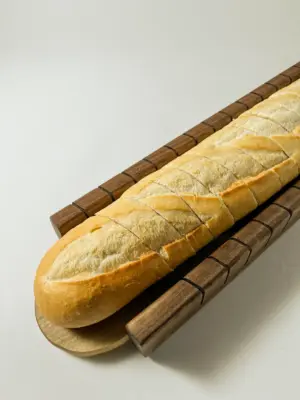
Walnut Wooden French Bread Slicer for Baguettes, 1 inch thick slices
FREE Shipping
FREE Shipping
Living Room
FREE Shipping