







8 Steps to removing wood finish
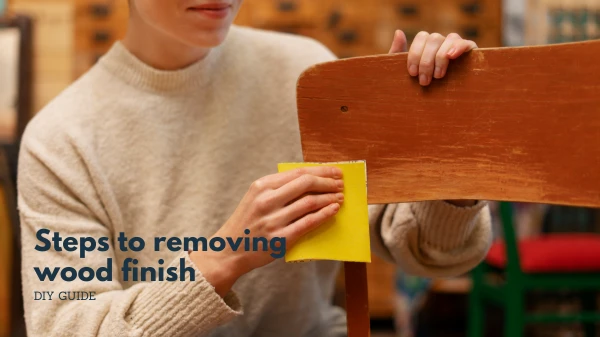
Learning how to make small repairs to your furniture will save you a lot of money and resources. These kinds of repair can be learned, as long as the wood is in good condition and the repair only entails the outer part. Among the repairs you can learn is the restoration part of the wood, such as how to remove a finish.
Removing a finish is done when the current finish no longer serves its purpose of adding elegance to the wood, mostly due to overtime. Therefore, removing a finish is essential for adding beauty to the wood, ensuring proper adhesion, and correcting imperfections.
This article will teach you how to identify different kinds of finishes, the importance of removing a finish, methods, tools, and helpful tips needed to remove a finish.
Table of Contents
The Importance of Removing Finish
To Enhance Beauty and Durability
Removing a former finish from wood reveals the natural beauty of the wood that has been buried under layers of old finish. It also makes the wood surface ready for a new finish that will protect it against moisture, stains, and wear and tear.
For Proper Adhesion
Even though a new finish can be applied as a new layer over the old one, it is ideal to remove the old finish completely so that the new finish can adhere properly. If you don’t remove the old finish, it can cause peeling, cracking, or bubbling of the new finish.
To Correct Imperfections
Not all jobs are perfect, and when the finish becomes old, some imperfections may spring up, such as nicks, scratches, or uneven areas, which can affect the overall outlook. To correct these errors, you have to sand down rough spots, fill in gaps, and return the surface to its original form before applying a fresh finish again.
Tools Used for Removing Wood Finish
| Tool | Usefulness |
|---|---|
| Chemical Stripper | Breaks down old varnish, paint, and wood finishes. |
| Heat Gun | Softens stubborn finishes for easy scraping. |
| Scraper | Lifts softened finish without damaging the wood. |
| Sandpaper | Smooths the surface and removes remaining residue. |
| Denatured Alcohol | Cleans the wood after stripping and prepares it for refinishing. |
| Safety Gear | Protects against chemicals, fumes, and dust during the process. |
Steps to Removing Finish from Wood
Identify the Existing Finish
The first step to removing a finish is to identify the kind of finish on the wood. This will give you the knowledge of how to go about it and the kind of finish remover you should use, whether a stripper, heat gun, or any other method. This also makes the work easier, as you would be using a method that fits the finish.
Prepare the Workspace and Safety Gear
Stripping finish from a wood surface produces a lot of harmful substances, such as dust and waste. Therefore, the workspace has to be properly prepared for health reasons. Proper safety gear also has to be put in place to protect you. You should work in a well-ventilated area and wear chemical-resistant gloves, eye protection, long sleeves, and a respirator suitable for organic vapors.
Clean and Lightly Scuff the Surface
It is very essential to clean the surface before removing the finish. Cleaning ensures the removal of wax, grease, and dirt that can hinder the stripper or clog sandpaper. You can clean the surface with a wood cleaner, mild detergent solution, or mineral spirits.
Choose a Removal Method
There are different methods for removing a finish from a wood surface, depending on the type of finish used. For instance, if it is a thick or intricate finish with multiple layers, the best method is a chemical stripper. It softens the finish so it can be easily scraped off. Sanding is good for simple or surface finishes, but it can be time-consuming and may remove the finish unevenly.
Related: Read our article on what to do with your old furniture if you are tired of seeing it around
Apply the Stripper
After choosing the method, apply the remover generously to the finish. For a chemical stripper, apply it to the surface before scraping.
The stripper should be placed in a metal or glass container for safety reasons, as some chemicals can melt plastic containers.
It is essential to follow the manufacturer’s instructions on how long the chemical should be left to work on the finish. It is very important not to rush this stage.
Scrape Off the Softened Finish
Once the remover has worked on the finish, it will show signs such as bubbling, wrinkling, or softening. This is the time to scrape off the finish using a plastic or dull metal scraper, moving in the direction of the wood grain. If there is still heavy residue after the first application, repeat the process until it is properly cleaned.
Sand the Bare Wood
Sanding is the final step in getting rid of old finish on wood. It evens out the surface and removes any remaining traces of finish, creating a clean surface for a new finish. It is important to always sand according to the grain to avoid visible scratches.
Dispose of Waste Safely
Stripped old finishes are made up of different chemical solutions, so the waste must be handled carefully. Used materials such as stripper residue, sludge, and contaminated tools should be placed in a metal container with a tight-fitting lid to reduce fire risk before disposal. Disposal should be eco-friendly and must not involve pouring solvents down drains or onto the soil.
Related: Learn the step-by-step to learn how to use chemical strippers to remove wood finish without sanding.
Wrapping Up
Removing old finish must be done carefully, as it is a delicate step that requires attention to avoid damaging the wood. When done correctly, it reveals the natural state of the wood and creates a clean slate for a new finish to be applied. The process, when properly followed, can be very effective without causing damage to the wood.
Related: Troubled by the gap or split in your wood? Don’t panic. Check out our article on how to cover wood defects quickly from the comfort of your home.
Related Posts

Loved by our customers
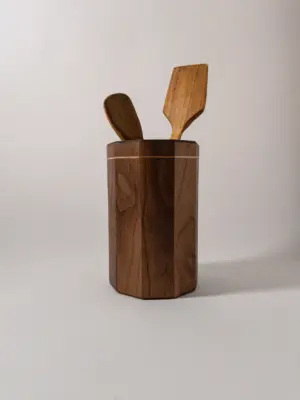
Wooden Utensil Holder
FREE Shipping
Edge Grain Cutting Boards
FREE Shipping
Wood Cutting Boards
Walnut Wooden French Bread Slicer for Baguettes, 1 inch thick slices
FREE Shipping
FREE Shipping
Living Room
FREE Shipping