3 min read • Last updated on March 29, 2026
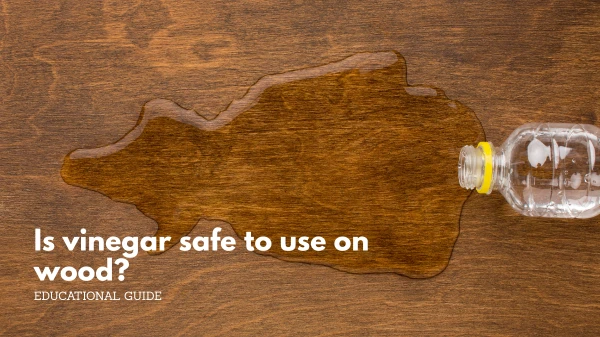
If you have ever asked yourself, is vinegar safe to use on wood? This article is for you. Vinegar is a very good and effective cleaning product that is used in the home for cleaning.
With its high level of effectiveness, it’s inexpensive, which makes it a popular cleaning solution. It can be used to wash windows, laundry stains and kitchen equipment. It’s made up of an acidic substance and can dangerously affect some surfaces and household items when exposed to it.
The purpose of this article is to inform you on how to use vinegar, how good it is for your wood cleaning, and also to avoid damaging your wood with excessive use of vinegar. At the end, you will be better informed on how safe vinegar is for your wood.
How to use Vinegar on your Wood?
Using vinegar on your wood calls for caution because of its acidic solution. Using it over time on your wood, especially hardwood furniture, can make it dull and wear down the furniture.
This doesn’t mean you can’t use vinegar on your furniture, but there is a correct way to use it. The following section will teach you the steps to take before you can use Vinegar on your wood.
Dilute the Vinegar
Why it’s cautionary to use vinegar is because of its high acidity. To use vinegar on your furniture properly, you need to dilute it with water. You can also add drops of dish soap to it so it can have an extra cleaning effect.
To limit the strong smell, it’s recommended that you add your essential oil to it. The key is to always dilute it to reduce its toxicity and negative effect on your furniture. Diluting vinegar with water reduces the acidity and the negative effect on your wood.
To be on the safe side when it comes to any cleaning solution, it’s necessary for you to perform a spot test with vinegar on your wood, as the combination doesn’t always go together.
You can apply and clean a particular spot, then leave it for about 30 to 45 mins to check if the area will be negatively impacted. This will lessen the negative impact to a minimum.
Follow the Right Stain Removal
To perfectly use vinegar to remove stains, you must adequately identify the cause of the stain you want to remove. This will allow you to know the right measures to follow.
For a heat stain, you should combine an equal mixture of vinegar and olive oil before you clean the wood.
You should ensure it gets saturated, and you wait an hour before cleaning off the residues.
If it’s a stain caused by moisture, you will also need an equal measure of vinegar and olive oil, but the difference is that you can clean the residue off immediately.
Related: Having a problem cleaning your wooden cutting board? Read this article to help you with the proper way to sanitize it
Benefits of Using Vinegar on Wood
To Remove Odor
One of the benefits of using vinegar is to remove odor from wood trapped within the wood fibers. These odors can be coming from a wine spill, lingering scent from pets or food, and applying vinegar on the surface can make the odor go away.
For Cleaning Woods
Vinegar acts as a natural disinfectant for wood because of its acidic properties. It’s the perfect solution to get through grime and grease which may have accumulated over time on your beloved furniture pieces.
All you have to do is to mix the vinegar with water to help revive dull surfaces.
Stain Removal
Vinegar can also be used as a stain removal when you apply the right measure to your wood. Beyond that, certain kinds of vinegar can be used to darken lighter woods like pine or oak through its acidic nature which reacts with the tannins found within the wood.
Eco and Budget Friendly
Vinegar, even with its acidic ingredients, is a favorable choice for the green family and it’s less expensive unlike many other industrial wood removers.
How Vinegar Interacts with Wood
What makes Vinegar a major cause of concern is its acidic nature. This makes users highly cautious when using it. This section will inform how vinegar interacts with different woods.
Unsealed Wood
Unsealed wood gives room for liquid to be absorbed, and it’s porous. This means when vinegar is used on it, the acid can easily get into the fiber of the wood, leading to discoloration, warping and weakening of the wood.
This suggests that vinegar should be avoided on unsealed wood.
Sealed Wood
Sealed wood is protected against moisture and acidic contact. But exposure to it over time through repeated use can lead to damage of the sealant, making way for the acid to penetrate deep into the wood.
Waxed Wood
A good use of vinegar is that it acts as a solvent, so exposing your waxed wood to vinegar can melt away the wax. This means that it can inversely impact the wood as the wax becomes dull, stripped and unprotected.
Prolonged Exposure
Generally, vinegar is an acidic substance, so exposing it to your wood, even when protected, can negatively affect it. The acid can react with the wood pigment, leading to inconsistent color, changes, or bleaching.
When it is unsafe to use Vinegar on Wood
While it has been established that vinegar is good for certain purposes, there are cases where it should be avoided completely. Learning about such situations can help preserve your furniture.
Antique Furniture
The value of antique furniture lies in its years of existence and the quality of its appearance. This makes them very delicate furniture and sensitive to acidic substances.
It’s advisable to avoid using vinegar on them as it can weaken their finish while reducing the value of furniture over time.
Oil-Finished Wood
It’s better to completely stay off vinegar if your furniture is oil finished. Oil finishes rely on penetrating the wood for protection.
Using vinegar on it can break through into the area of oil and make the wood dry, leaving it vulnerable to moisture damage.
Hardwood Floors with Worn Finish
Once you notice your hardwood floor finish is worn, it’s better to keep it away from vinegar. Vinegar can seep through it and penetrate the wood underneath.
This can cause serious damage like warping, discoloration and swelling.
Conclusion
This article has highlighted the ways you can use vinegar better, and not allow it to become an adversary to you and your wood, but a useful substance in cleaning your wood. Make sure you dilute it with water before you use it, to reduce the acid in it. If you are still not convinced, you can look for alternatives to vinegar to be on the safer side.
Related: Gain more knowledge on the problems people face when buying furniture online to make your shopping experience a smooth one
Loved by our customers
Rated 5 out of 5
(2)
$85.00 Original price was: $85.00.$70.00Current price is: $70.00. excl. tax
FREE Shipping
Get it by Thu, Apr 9
Rated 5 out of 5
(1)
$125.00 excl. tax
FREE Shipping
Get it by Thu, Apr 9
$50.00 excl. tax
FREE Shipping
Get it by Thu, Apr 9
$150.00 excl. tax
FREE Shipping
Get it by Thu, Apr 9
$145.00 – $265.00Price range: $145.00 through $265.00 excl. tax
FREE Shipping
Get it by Thu, Apr 9
This product has multiple variants. The options may be chosen on the product page
$75.00 Original price was: $75.00.$60.00Current price is: $60.00. excl. tax
FREE Shipping
Get it by Thu, Apr 9

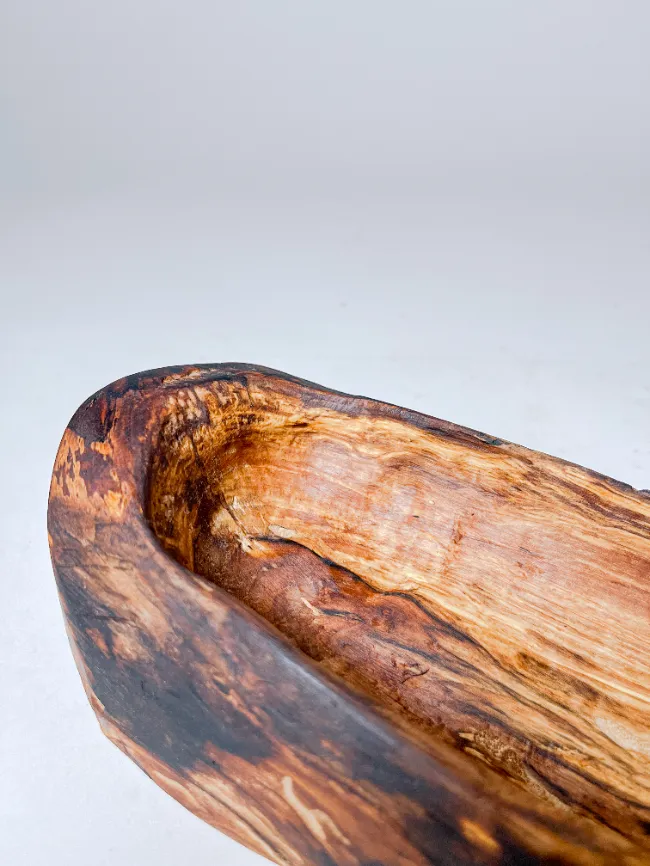
 Handcrafted crab apple rustic wood tray $60.00
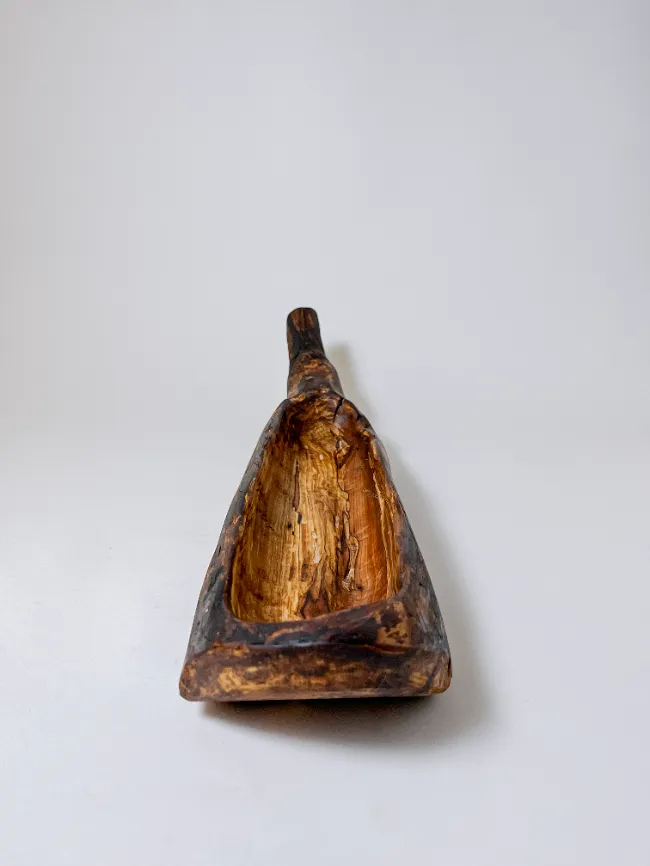 Handcrafted crab apple rustic wood tray
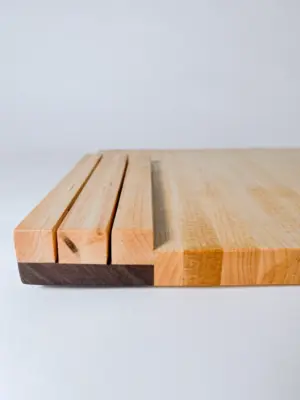
  Maple Edge Grain Cutting Board with Knife Storage
  Red Oak Flippity-Top Wood Trash Can Bin
  Walnut Wooden French Bread Slicer for Baguettes, 1 inch thick slices
  Walnut Wood Kitchen Utensil Holder
  Walnut Flippity-Top Wood Trash Can Bin (Small, Large)
Original price was: $160.00.$145.00Current price is: $145.00. excl. tax
Walnut Flippity-Top Wood Trash Can Bin (Small, Large)
Original price was: $160.00.$145.00Current price is: $145.00. excl. tax