







Why Is Walnut The Best Wood For Kitchen Utensils?

When selecting wooden kitchen utensils, discerning home cooks and professional chefs consistently ask themselves: why is walnut the best wood for kitchen utensils? Furthermore, this premium hardwood delivers an exceptional combination of durability, functionality, and aesthetic appeal that distinctly sets it apart from other wooden options in the culinary world.
Table of Contents
Superior Durability and Hardness
Walnut clearly stands out among kitchen utensil materials due to its impressive Janka hardness rating of approximately 1,010 pounds-force.
Consequently, this density makes it significantly more resistant to dents, scratches, and wear compared to softer woods like pine or cedar. Moreover, the robust nature of walnut ensures that spoons, spatulas, and cutting boards maintain their shape and functionality even after years of regular use in busy kitchens.
No products found. Run your sync script first.
Natural Antimicrobial Properties
Additionally, one of the most compelling reasons chefs prefer walnut involves its inherent antimicrobial characteristics. Specifically, the wood contains natural compounds called juglones, which actively possess antibacterial properties that help inhibit the growth of harmful microorganisms.
Therefore, this feature makes walnut utensils naturally more hygienic than many synthetic alternatives, effectively providing an additional layer of food safety during meal preparation.
Excellent Moisture Resistance
In contrast to many other wood species, walnut demonstrates remarkable stability when exposed to kitchen moisture and humidity. Furthermore, its tight grain structure actively prevents excessive water absorption, thereby reducing the risk of cracking, warping, or splitting that commonly affects inferior wooden utensils. As a result, this moisture resistance ensures that walnut implements maintain their structural integrity through countless washing cycles and varying environmental conditions.
Gentle on Cookware Surfaces
Similarly, professional kitchens value walnut utensils because they actively protect expensive cookware from damage. Additionally, the wood’s moderate hardness provides enough strength for effective cooking while remaining softer than metal surfaces, thus preventing scratches on non-stick coatings, stainless steel, and cast iron cookware. Consequently, this protective quality extends the lifespan of both the utensils and the pots and pans they contact.
Rich Aesthetic Appeal
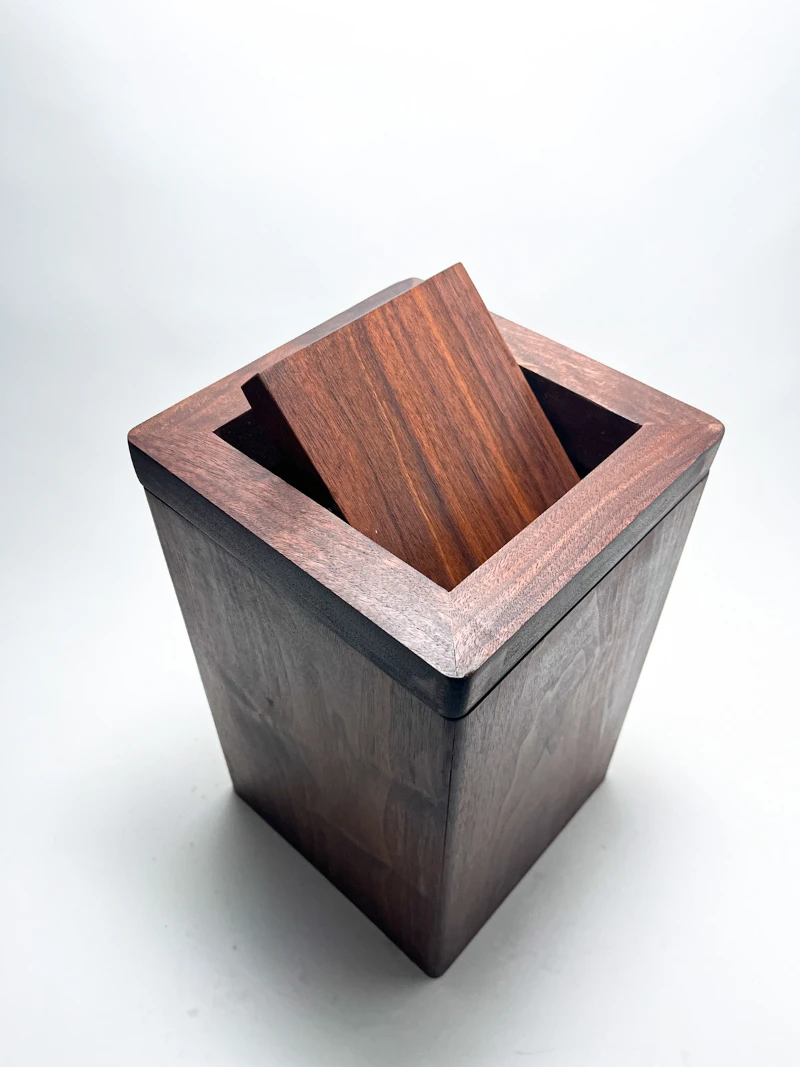
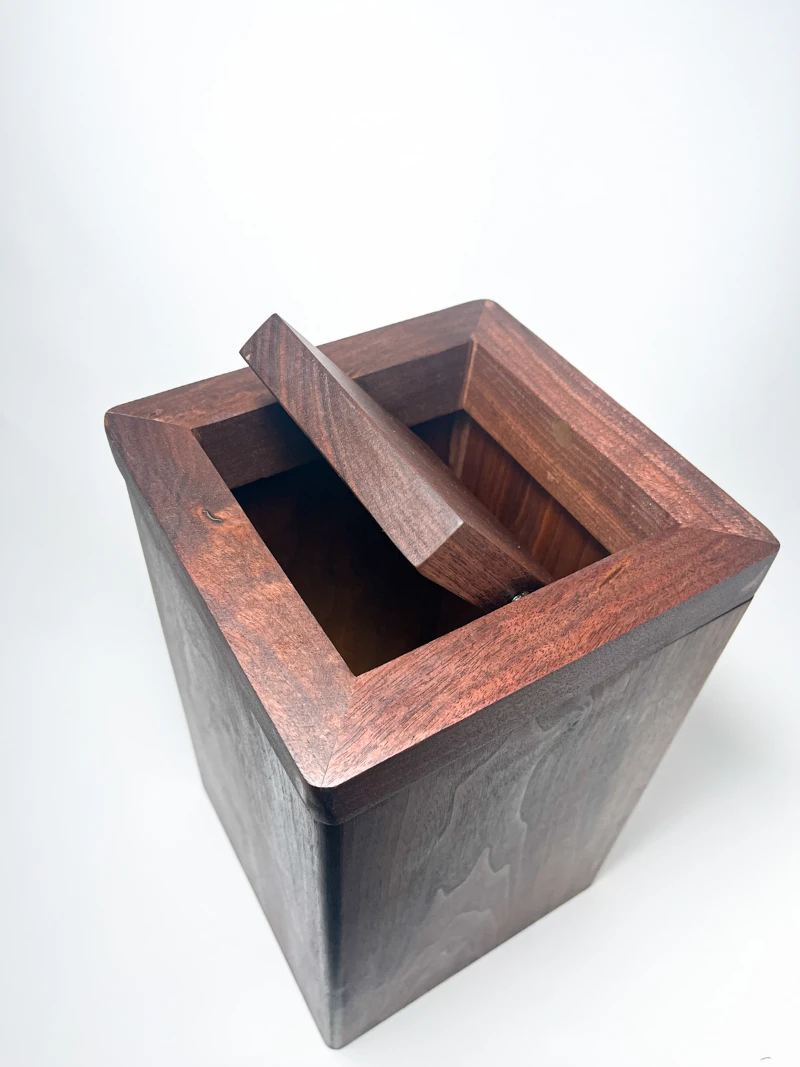
Beyond functional benefits, walnut brings unmatched visual sophistication to kitchen environments and pairs up perfectly with any kitchen countertop when not in use, so really you are getting 2-for-1 for your money (an art piece for your kitchen and a kitchen utensil).
Notably, its deep chocolate brown color with distinctive grain patterns creates an elegant appearance that complements both traditional and contemporary kitchen designs. Furthermore, the natural beauty of walnut develops a lustrous patina over time, making each utensil increasingly attractive with age and use.
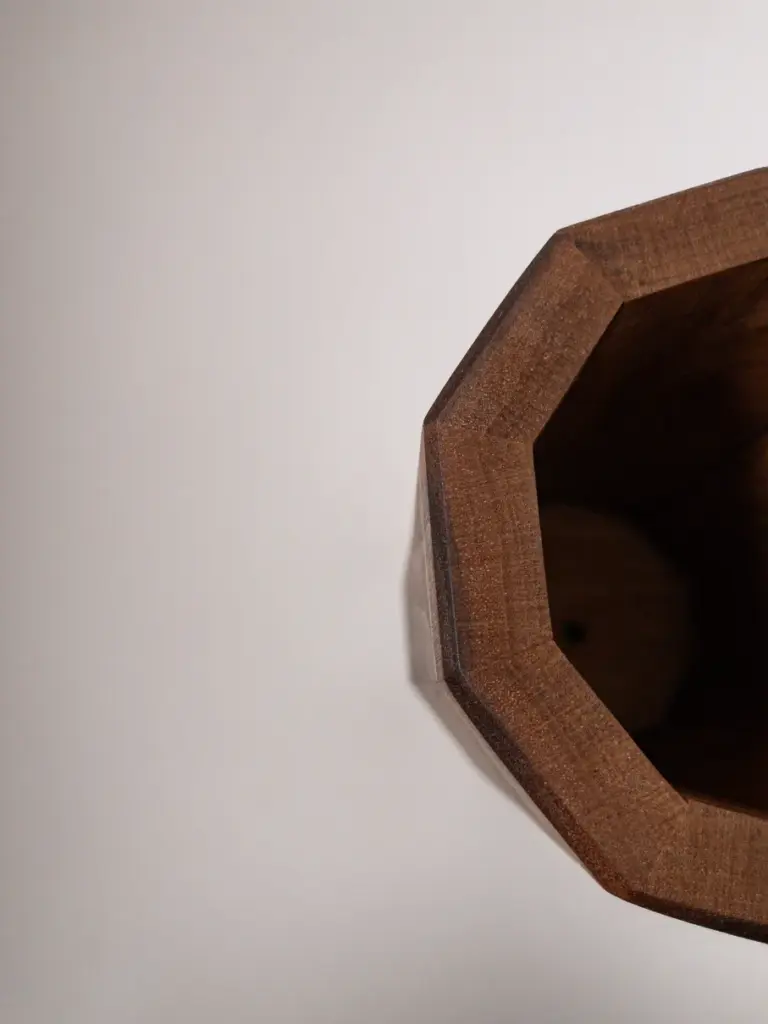
Walnut Wooden Utensils Holder/Wooden Edge StudiosWorkability and Craftsmanship
Meanwhile, craftsmen appreciate walnut’s excellent machining properties, which allow for precise shaping and finishing of kitchen tools. Additionally, the wood accepts stains and finishes beautifully, enabling manufacturers to create utensils with consistent quality and appearance. Therefore, this workability translates into kitchen implements with smooth surfaces, comfortable grips, and professional-grade construction.
Environmental Sustainability
Moreover, walnut trees grow relatively quickly compared to other premium hardwoods, making them a more sustainable choice for environmentally conscious consumers. Subsequently, many walnut kitchen utensils come from responsibly managed forests, supporting eco-friendly manufacturing practices while delivering superior performance.
Related: Ready to experience it for yourself? Shop from our Premium American Walnut Wood category and bring quality craftsmanship into your space today.
Make the Smart Choice for Your Kitchen
In summary, the combination of durability, antimicrobial properties, moisture resistance, cookware protection, aesthetic beauty, and sustainability makes it understandable why walnut is the best wood for kitchen utensils.
Therefore, investing in walnut implements ensures long-lasting performance, enhanced food safety, and timeless elegance in any culinary setting. Ultimately, for serious cooks seeking the perfect balance of function and form, walnut represents the gold standard in wooden kitchen tools.
Related: Read more on this article for understanding why wooden kitchen tools offer 7 distinct advantages over plastic and metal alternatives.
Walnut for Kitchen Utensils Frequently Asked Questions
Why is walnut considered the best wood for kitchen utensils?
Walnut combines five qualities other woods rarely match: it’s hard enough to resist denting (1,010 lbf Janka), has tight closed grain that resists food absorption, contains natural antimicrobial tannins, displays rich chocolate-brown color that hides stains, and works beautifully with hand tools or a lathe. Maple is harder; cherry is prettier; bamboo is cheaper; but walnut wins on the overall combination.
Is walnut food-safe for cooking utensils?
Yes, walnut is fully food-safe and FDA-approved for kitchen utensils when finished with food-grade mineral oil or beeswax. Avoid black walnut for people with severe nut allergies (rare but possible reactions exist). The natural tannins in walnut have antimicrobial properties that help inhibit bacterial growth on the surface, making it one of the safer wood choices.
Does walnut absorb food odors and stains?
Less than most other woods. Walnut’s tight closed grain resists penetration from food oils, garlic, onion, and turmeric stains better than open-grain woods like oak. Its natural dark color hides stains that would show on lighter woods like maple or birch. With monthly oiling, walnut utensils stay odor-free for years of daily use.
How do you care for walnut kitchen utensils?
Hand-wash with warm soapy water immediately after use, dry thoroughly, and oil with food-grade mineral oil or a beeswax-mineral oil blend once a month. Never put walnut in the dishwasher (heat and moisture cause cracking). Apply oil generously, let it soak for 15 to 20 minutes, then wipe off any excess. With this routine, walnut utensils last decades.
How long do walnut kitchen utensils last?
With proper care (hand-washing, monthly oiling, dry storage), quality walnut utensils last 10 to 20 years and often longer. Cheap softwood utensils often need replacing in a year or two. Replace walnut pieces only when you see deep cracks, splitting, fuzzy wood, or musty smells that survive cleaning. The longevity makes the higher upfront cost a true bargain over time.
Recommended for You

Wooden Kitchen Spoons: Complete Cleaning And Caring Guide

10 Best Wooden Kitchen Spoons For Every Home Cook

How to effectively care for wooden kitchen cabinets – 7 simple ways

Cutting Board Maintenance: The Complete Guide

Learn How to Sanitize a Wooden Cutting Board Correctly

Are Wooden Utensils Machine Washable? The Complete Guide For 2026
Loved by our customers
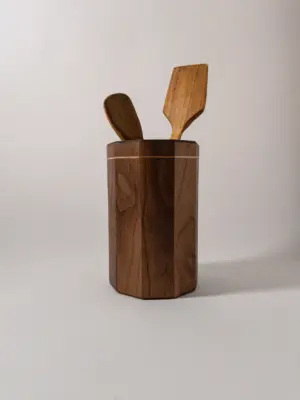

Wooden Utensil Holder
Wood Cutting Boards
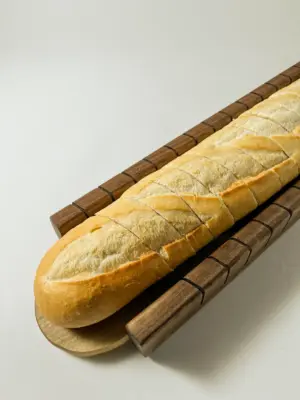
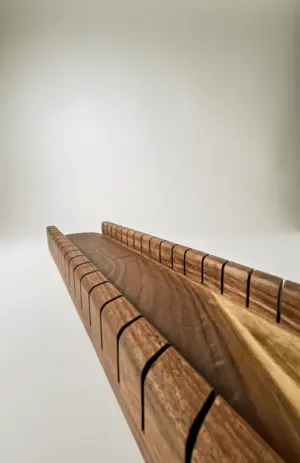
Walnut Wooden French Bread Slicer for Baguettes, 1 inch thick slices
Living Room