







How to Restore Wooden Floors in Simple Steps
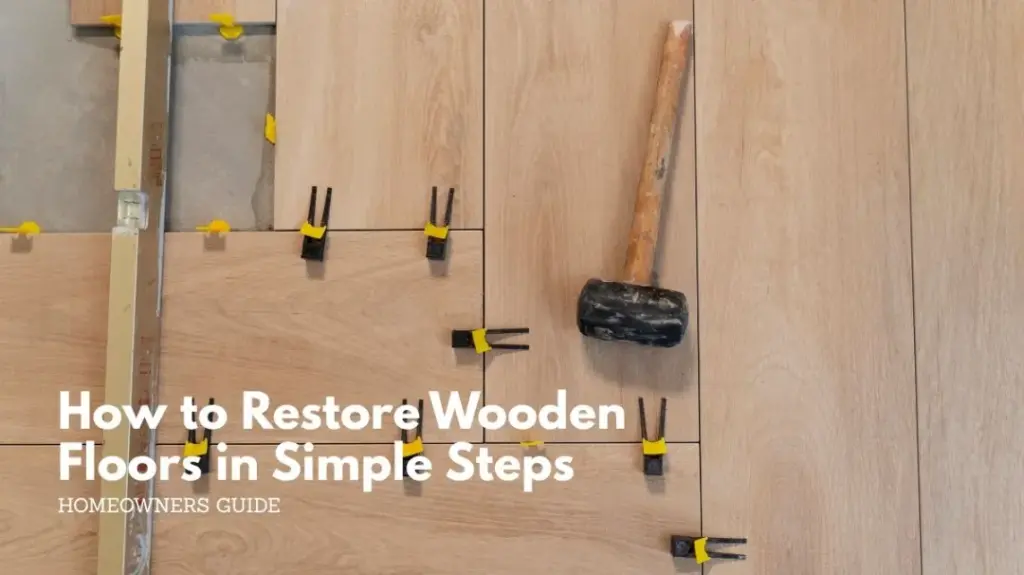
How to restore wooden floors is a key skill for homeowners who want to breathe new life into tired wood surfaces. With effort and the right tools, even a novice DIYer can turn scratched, faded, or dull hardwood into a smooth, attractive floor.
This step-by-step guide walks you through the entire process, from inspection and preparation to sanding, repairing, and finishing, so you know exactly what to do. By the end, you’ll have a beautiful floor that looks almost new, all at a fraction of the cost of replacement.
Plan to work over several days (to allow drying time between each step) for the best results. For more renovation tips, check out our Craft & Processes section.
Table of Contents
How to Restore Wooden Floors:
Step 1 – Inspect and Plan
Begin by carefully inspecting the entire floor. Look for signs of damage: loose or warped boards, deep scratches, gouges, or water stains. Test for squeaks and nail pops, and mark any problem areas. Check for moisture issues or pet stains that might need special cleaning or even replacing damaged boards.
If the floor has heavy stains, note that wood bleach (oxalic acid) could later help lighten them. If you find significant damage or uneven wear, plan on sanding down to bare wood before refinishing.
Note the direction of the wood grain (this will guide your sanding). After inspection, make a clear plan and list of repairs, tools, and materials you’ll need. A good plan keeps your project on track.
Step 2 – Prepare the Floor and Workspace
Clear the room completely by moving out all furniture, rugs, and appliances. Remove any floor vents or baseboards if possible to access the edges. Cover doorways, walls, and vents with drop cloths or plastic sheeting to contain dust.
Remove old coatings (if needed): If the floor has very old varnish or multiple finish layers, you can apply a commercial floor stripper first. Follow the product’s safety instructions: apply the stripper, wait the recommended time, then scrape and wipe off the softened finish.
Use rubber gloves and eye protection, and ensure the room is well-ventilated. After stripping, clean any residue per the instructions and allow the floor to dry completely.
Next, thoroughly sweep and vacuum the bare floor to remove loose debris. Clean the surface with a wood-friendly cleaner (for example, spray a mild wood floor cleaner or a vinegar-and-water solution). This cleaning removes any remaining grit or grease so the surface is ready for sanding. Also check and secure any loose boards or nails, and fill noticeable gaps or holes with wood filler or putty. Avoid wetting the wood; fresh sanding should be followed by dry cleanup only. Wear gloves to protect your skin from cleaners and any sharp debris.
Gather your tools and supplies:
- Floor sander (drum sander) and edge sander, plus coarse-to-fine sandpaper belts or discs
- Vacuum with a HEPA filter and a microfiber tack cloth for cleanup
- Protective gear: N95 dust mask or respirator, safety goggles, ear protection, and knee pads
- Wood filler or putty (color-matched) and a putty knife
- Finishing materials: stain (optional) and polyurethane or other floor finish, plus applicators
- Drop cloths and painter’s tape to protect walls and trim
With the space clean and tools at hand, you’re ready to start sanding. A well-prepared area prevents mistakes and keeps the project running smoothly.
Step 3 – Sand the Floor
Sanding is the key step in restoring a wooden floor. Start with a coarse-grit sandpaper (usually 36 or 40 grit) on a drum sander to remove the old finish and major surface damage. Always sand in the direction of the wood grain, never against it, and move the machine steadily, overlapping each pass to avoid gouges. For example, if the existing finish is thick or multiple layers, begin with 36 grit; if it’s mostly a single top coat, you can start at 60 grit. Change to a medium grit (60 or 80) to smooth out the coarse scratches, then finish with a fine grit (100 or 120) for a smooth surface. Keep the sander moving to prevent uneven spots, and vacuum the floor thoroughly between grit changes to remove dust.
For edges and corners the drum sander can’t reach, switch to an edge sander or use hand-held sanding blocks or pads. Start with medium grit at the edges and finish with fine grit to blend with the main floor. Work methodically along the walls and baseboards. Use triangular sandpaper pads or an oscillating tool in tight spots. Always wear a dust mask and eye protection during sanding, the fine wood dust can harm your lungs. After the final sanding, vacuum again and wipe the floor with a tack cloth to catch all remaining dust.
Sanding Grit Sequence:
- Use 36–40 grit belts to strip off old finish and deep scratches.
- Switch to 60–80 grit to smooth out scratches left by the coarse paper.
- Finish with 100–120 grit for a uniform, smooth surface. (Optional: follow with 220 grit for an ultra-smooth finish.)
When sanding is complete, the floor should feel uniformly smooth. You might notice very faint sanding lines, but the grain pattern should be clean and even. The floor is now ready for repairs (step 4).
Step 4 – Repair and Fill Damaged Areas
Once the floor is bare wood, address any remaining damage. Fill small holes, cracks, and dents with a color-matched wood filler.
Apply the filler with a putty knife, pressing firmly to pack it into the hole, and wipe away any excess. Let the filler dry fully – it “can take as long as 24 hours” to cure. Then sand the repaired spots flush with fine-grit sandpaper (120–150 grit). For minor scratches or surface marks, a tinted wax repair stick can be rubbed into the scratch to conceal it.
If you find any boards that are badly damaged or warped, consider replacing them with new matching boards. This requires removing the damaged plank and inserting a new one, which can be done before sanding. You may need wood glue and clamps for this repair. After all repairs and sanding, vacuum and wipe the floor again to remove all dust and debris. The wood should now be smooth and consistent in color, ready for the finishing step.
Step 5 – Seal and Finish the Floor
With the wood bare and repairs done, it’s time to apply the protective finish. If you want to change the floor color, you can apply a stain before sealing; otherwise proceed directly to applying the sealer. Hard wax oils and penetrating oil finishes are other options for a natural look.
Applying Stain (Optional)
If you want to change the color of the wood, apply a stain before sealing. Choose a stain specifically for wood floors or fine furniture. It’s wise to test the stain on a scrap piece or an inconspicuous spot (like inside a closet) to ensure the color is what you expect. Apply stain with a clean rag or brush, working with the grain, and wipe off any excess to avoid blotches. Use even strokes and blend well near joints. Allow the stain to dry fully (often 24 hours) before proceeding to the final finish. Always wear gloves when staining and ventilate the area well.
Choosing a Finish
The finish you choose determines the look and durability of your floor. Common options include:
- Oil-based polyurethane: Long-lasting and provides a rich amber tone, but has strong fumes and longer drying time.
- Water-based polyurethane: Dries clear and fast, with low odor, but may require more coats for equivalent durability.
- Penetrating oils (e.g., tung or linseed oil): Soak into wood for a natural matte look. These finishes require multiple coats and periodic reapplication, but they contain fewer harsh chemicals.
- Hardwax or polyurethane blends: These factory-mixed products offer easier application and moderate durability with a natural sheen.
Choose the sheen (matte, satin, or gloss) that fits your style. Gloss shows more shine and reveals scratches, while satin and matte look more subtle.
Regardless of type, follow manufacturer instructions for application and drying times. Use protective gloves or a respirator for solvent-based products.
Before finishing, vacuum and tack-cloth the floor once more to remove any dust. Pour your chosen finish into a clean container and use a brush to cut in a 3–4 inch border around the walls. Then use a roller with a 1/4-inch nap to apply finish to the main floor area, working with the grain. Apply even coats and overlap each pass to avoid lap marks. After the first coat dries (typically 2–4 hours for water-based or 6–24 hours for oil-based finishes), lightly sand with very fine sandpaper (e.g. 220 grit) to ensure the next coat will adhere well.
Apply 2–3 coats in total. Between coats, remove dust again with a vacuum and tack cloth. When working with solvent-based finishes, wear a respirator with organic-vapor filters and keep the room well-ventilated. For best results, follow product directions: This Old House recommends waiting three hours before recoating and about a week of drying time before moving furniture back into the room.
Safety Tips
Floor restoration involves dust, noise, and fumes, so protect yourself and your home. Key safety steps include:
- Wear protective gear: Always use an N95 or better dust mask (or respirator) when sanding to avoid inhaling fine wood dust. Wear safety goggles to protect eyes from flying debris, and hearing protection when using power sanders. Gloves and knee pads will protect your skin and joints.
- Ventilate the area: Ensure good airflow by opening windows or using fans. Sanding and finishing release dust and fumes (especially from oil-based finishes), so fresh air helps disperse contaminants.
- Contain dust: Close off vents and doors to other rooms to keep dust confined. Lay plastic sheets to cover HVAC registers, and clean up thoroughly after sanding. Never use a vacuum without a HEPA filter, as it could simply recirculate dust.
- Handle finishes safely: Solvent-based products are flammable and toxic. Wear a respirator with organic vapor filters when applying oil-based finishes. Dispose of oily rags in a sealed metal container to prevent fire (oil rags can ignite spontaneously).
- Electrical safety: Use properly grounded tools and avoid overloading circuits. Keep cords away from the sander’s path to prevent tripping or cutting the cord.
- Work carefully: Follow instructions for all equipment. Keep children and pets out of the work area. Don’t rush – take breaks if you feel fatigued. Having a safe setup ensures the project goes smoothly.
Maintenance and Longevity
Once your floors are restored, regular care will keep them looking great. Sweep or dust-mop daily to remove dirt and grit, and use a damp (not wet) microfiber mop for gentle cleaning. Avoid harsh cleaners; use only products recommended for wood floors. Place mats at entryways and use felt pads under furniture legs to prevent scratches. Keep indoor humidity around 30–50% to prevent wood from warping or cracking as seasons change. According to the National Wood Flooring Association (NWFA), applying a simple maintenance coat can make floors appear “near-new again”. Follow the finish manufacturer’s instructions for touch-up recoats or refinishing every few years, depending on wear. With proper cleaning and occasional re-coating, your renovated floor will stay beautiful for decades.
Daily and Weekly Cleaning
Keep the floor free of dirt and grit, which can scratch the finish. Sweep or use a soft-bristle broom daily, and vacuum weekly using a brush attachment (hard-bristle vacuums can dull the finish). For deeper cleaning, use a damp microfiber mop with a pH-neutral wood floor cleaner. Avoid soaking the floor – never use a wet mop. Clean up spills immediately with a soft cloth. Avoid products with ammonia, wax, or oil, as they can dull or damage the finish. If needed, apply a dedicated wood floor polish or maintenance product a few times a year to refresh the shine (follow the label instructions).
Preventive Measures
Place entry mats at doors to catch dirt and grit from shoes. Use felt pads or furniture glides under chair and table legs to prevent scratches. Avoid wearing high heels or sports cleats indoors, as sharp points can dent wood. Also keep pet nails trimmed. For heavy furniture, lift rather than slide pieces, or use furniture sliders. To protect from sunlight, close blinds or use UV-resistant window treatments to prevent uneven fading.
Controlling Humidity and Environment
Wood floors respond to indoor climate. Use a humidifier or dehumidifier to maintain humidity around 30–50% year-round. This minimizes gaps in winter and cupping in summer. Avoid extreme humidity or dryness in the room. In humid areas (like bathrooms), use exhaust fans to prevent moisture buildup. Keep floor temperature stable and use area rugs in high-use zones to reduce wear.
Conclusion
Restoring wooden floors is a rewarding project that can greatly improve your home’s appearance and value. By following the steps above – inspecting, preparing, sanding, repairing, and sealing – you can achieve professional results on your own. Always prioritize safety (wear masks and goggles) and allow plenty of drying time between coats. With patience and attention to detail, you’ll transform old floors into a stunning centerpiece. Enjoy the renewed warmth and character underfoot, and appreciate the satisfaction of doing the job yourself.
Quick Tips:
- Work in small sections and light passes when sanding to avoid uneven spots.
- Label your sandpaper belts by grit if you remove them, to avoid skipping a step.
- If you don’t have a power edge sander, wrap a sanding block with sandpaper to reach corners and edges.
- Always sand in the direction of the wood grain to prevent cross-grain scratches.
- Apply finish coats evenly and avoid oversaturating any area to prevent drips or ridges.
- Keep leftover finish for future touch-ups or spot repairs by sealing the can tightly.
- Ensure good lighting (natural or bright lamps) so you don’t miss uneven spots while sanding or finishing.
- After each coat, lightly buff or sand with 220-grit before the next for better adhesion (follow manufacturer’s recommendation).
- For stubborn squeaks, reach below the floor and secure joists with screws or use a silicone spray on the joint.
- Avoid walking on a freshly finished floor with hard-soled shoes or heavy furniture; wait for full cure.
- In dry climates or winter, use a humidifier to prevent excessive shrinkage (and floor gaps).
With careful work and these guidelines, your restored wooden floor will be beautiful and durable for years to come. Good luck with your project!
Related: Before you restore, tackle those imperfections and learn How To Cover Wood Defects Quickly At Home for a flawless finish.
Recommended for You

10 Proven Ways to Protect Your Woodworking Tools from Rust
How To Cover Wood Defects Quickly At Home

Outdoor Furniture Covered In Mold Here’s The Quick Fix You Need

Does Wooden Furniture Absorb Water? Everything You Need To Know

Wood Stain: How to Remove Unsightly Black Rust Stains from Wood
How to Finish Wood Like a Pro
Loved by our customers


Wooden Utensil Holder
FREE Shipping
Edge Grain Cutting Boards
FREE Shipping

Wood Cutting Boards
Walnut Wooden French Bread Slicer for Baguettes, 1 inch thick slices
FREE Shipping
FREE Shipping
Living Room
FREE Shipping