






Oil-Based Stain vs. Water-Based Stains: Which Is Better?
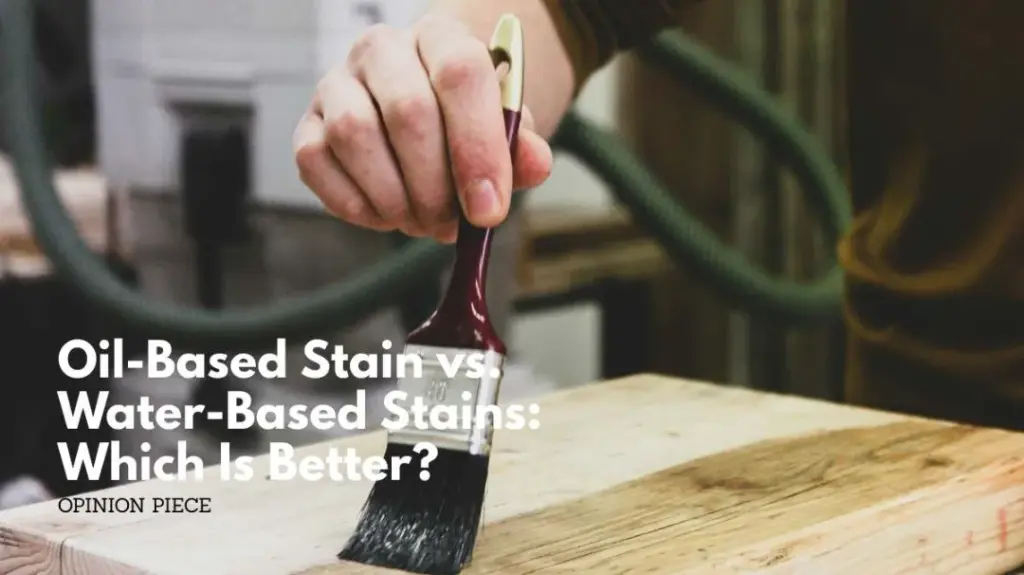
If you have ever beheld great furniture with impressive aesthetics and beauty, there is a high probability that you have seen the effect a good stain can have on wood. You may be wondering what the purpose of a stain is. A stain changes the colour of wood to enhance its natural beauty and durability. It can be applied to an old piece of wood waiting to be refurbished or a new piece of furniture. What is important is choosing the right type of stain for the right wood project.
This article will give you comprehensive information on wood stains and the difference between oil-based and water-based stains.
Table of Contents
Types of Wood Stain
It’s essential to know the different types of wood stains to ensure that you choose the best option for your project. Wood stains are commonly grouped into four categories.
We have oil-based stain, water-based stain, gel-based stain, and hybrid stain, which is also known as emulsified oils.
For the purpose of this article, more emphasis will be laid on oil-based and water-based stains.
Hybrid Stain
The hybrid stain is the newest stain for wood. It combines the benefits of oil-based and water-based stains. It offers the easy-cleaning feature of water-based stains, along with the durability of oil-based stains. It is a very scarce product in the market compared to the rest. It takes much longer to dry and must be applied to dry wood only.
Gel-Based Stain
The gel-based stain is a thicker product that takes more time to dry. Its advantage is superior colour control. It is commonly used for woods that are difficult to stain because it sits on the surface and does not penetrate like traditional liquid stains. It does not require a long time to dry, as it can be fully dry within 9 hours. When used, it gives the wood a rich and uniform colour that complements the surface.
Oil-Based Stain
The oil-based stain is a high-value product with impressive long-term performance. It helps nourish the wood, forming a protective surface that makes it resistant to scratches. Oil-based stain is environmentally friendly. However, it can be hard to clean, as it requires solvents like mineral spirits for proper cleanup.
Water-Based Stain
The water-based stain uses water as the main solvent for its colour pigments. It does not take long to dry and is easy to clean. It does not emit strong odour due to its low levels of Volatile Organic Compounds (VOC). Water-based stain maintains its colour over time without fading like oil-based stain. However, it is not very resistant to scratches.
| Types of Wood Stain | Description | Key Features |
|---|---|---|
| Hybrid Stain | A newer stain that combines oil-based and water-based technologies. | Easy cleaning like water-based stains; durability similar to oil-based stains; scarce in the market; requires dry wood and longer drying time. |
| Gel-Based Stain | A thicker stain that sits on the surface rather than penetrating deeply. | Superior color control; good for difficult-to-stain woods; provides rich, uniform color; dries in about 9 hours. |
| Oil-Based Stain | A traditional, high-performance stain that penetrates deeply into wood. | Nourishes wood; creates a protective surface; long-term performance; requires solvents for cleanup. |
| Water-Based Stain | A stain that uses water as the primary solvent for pigments. | Fast drying; easy cleanup; low odor; low VOC levels; maintains color over time. |
Characteristics of Oil-Based Stain
Deep Wood Penetration
One characteristic of oil-based stain is its deep penetration, which gives wood a bold surface colour. This makes the color harder to remove once applied and provides a long-lasting effect. This characteristic is best for hardwoods or when the goal is a traditional, classic look.
Enhances Wood Grain
One primary aim of using oil-based stain is to enhance the wood grain. When the oil slips into the pores of the wood, the color variations become more pronounced and the beauty is enhanced.
Durability
Oil-based stain adds durability to the wood. When applied, it acts as a protective layer on the surface, making it resistant to scratches in high-traffic areas. This makes it a top choice for outdoor projects.
Longer Drying Time
Oil-based stain takes a longer time to dry. Typically, it needs 12 to 24 hours to dry fully. This makes it unsuitable for urgent projects, as it causes delays and extends the completion time of bulk projects.
Characteristics of Water-Based Stain
Faster Drying Time
One of the best characteristics of water-based stain is its quick drying time. Within 2 hours, it dries on the surface of any wood it is applied to. This makes it ideal for projects that require quick completion.
Easy to Clean
Water-based stain is easy to clean, as only soap and water are needed to remove it. This is unlike oil-based stain, which requires a solvent for cleanup.
No Yellowing Over Time
Water-based stain retains its color over time and does not turn yellow like oil-based stain. This improves its resistance to environmental damage when properly formulated.
Environmental Impact
Since water-based stain does not require harmful chemicals in its preparation, it is a top choice when environmental and health concerns are priorities.
Approved Picks
Walrus Oil – 100% Pure Tung Oil, Wood Finish for Any Woodworking Project, Natural, VOC-Free
Tried & True Danish Oil, Pint – Pure Polymerized Linseed Oil Wood Finish
UltraPro Food Grade Mineral Oil for Lubricating and Protecting Cutting Board, Butcher Block
Key Summary
| Category | Oil-Based Stain | Water-Based Stain |
|---|---|---|
| Strength | Deep penetration and durability | Fast drying and eco-friendly |
| Weakness | Long drying time and harder cleanup | Less durable and shallow penetration |
| Ideal Use | Outdoor wood, hardwood floors, traditional finishes | Indoor furniture, quick DIY projects |
Choosing the Right Wood Stain for Your Project
Location of Use
When choosing the right stain for your project, the location of use, interior or exterior, should be considered. Different stains are suitable for different environments. For example, oil-based stain, because of its durability, is a better option for exterior projects exposed to constant sunlight.
Quality of the Stain
It is a general rule of thumb to choose a high-quality stain for your project. This ensures that the chemical components do not damage your wood and that the stain lasts longer on the surface.
Conclusion
Oil- based stains is best for deep wood penetration, durability, and weather resistance, delivering richer colors and longer-lasting protection but require longer times to dry out. Water-based stains on the other hand offers quick drying, low order, easy soap-and-water cleanup, and eco-friendliness without yellowing over time, though they penetrate less deeply.
Related: Check out our article on how to cover wood defects quickly to prepare you on how better you can take care of defects in your wood.
This article contains affiliate links #ad
Recommended for You

Why Is Walnut The Best Wood For Kitchen Utensils?
Polish, Oil, or Wax? Which of the Wood Finishing is the Best?
What Are The Best Oils To Use On Furniture? – 5 Top Picks
How to Finish Wood Like a Pro
Wood Stain: How to Remove Unsightly Black Rust Stains from Wood
How To Cover Wood Defects Quickly At Home
Loved by our customers
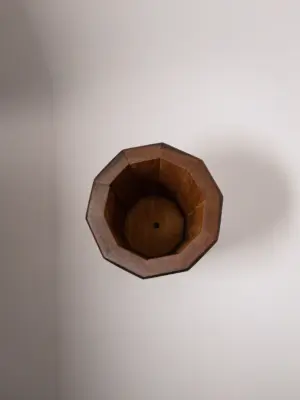
Wooden Utensil Holder
FREE Shipping
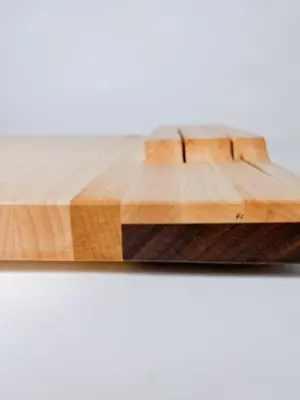
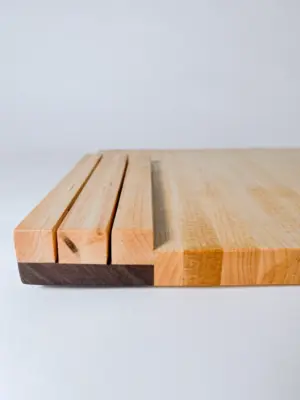
Edge Grain Cutting Boards
FREE Shipping
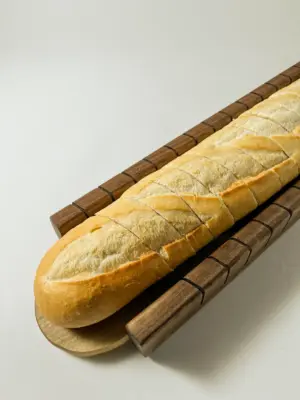
Wood Cutting Boards
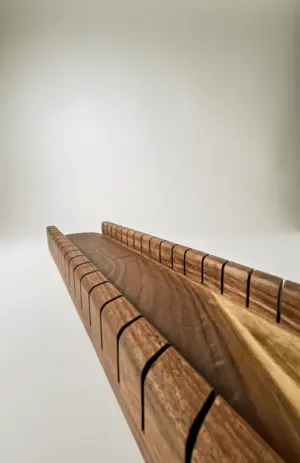
Walnut Wooden French Bread Slicer for Baguettes, 1 inch thick slices
FREE Shipping
FREE Shipping
Living Room
FREE Shipping