







8 Reasons Why Every Home Needs A Dining Area

In today’s world of open-concept living, where kitchens, living rooms, and even workspaces often merge into one, the traditional dining area might seem unnecessary. However, understanding the reasons why dining table is important in a home and why this space remains one of the most valuable in any home. A dining table is important in a home not just for meals, but as a hub for connection and creating lasting memories. Here are eight compelling reasons why a dining area is not just a luxury but an essential feature of every home, and why a dining table is important in a home.
Table of Contents
The Surprising Research Behind Why Dining Rooms Still Matter
Open-concept floor plans replaced formal dining rooms in millions of homes between 2000 and 2020, but the data on family meals tells a different story than the design trend suggests. Decades of research from The Family Dinner Project at Harvard’s Massachusetts General Hospital, drawing on a meta-analysis of more than 250 studies, links regular family meals to better academic performance, lower rates of teen substance use, healthier eating habits, and stronger emotional connection. Notably, the research found the benefits hold whether the meal happens at a formal dining table, a kitchen island, or even a coffee table; what matters is that there is a designated spot for the meal, not where it sits in the floor plan.
That research changes how we should think about a dining area. It is not a relic of formal entertaining or a wasteful use of square footage. It is an investment in the small daily ritual that anchors a household. The eight reasons below cover the practical, financial, health, and social returns of carving out that space, even in a 600-square-foot apartment. Whether you choose a four-person bistro setup or a 10-seat farmhouse table, the act of designating “this is where we eat together” pays compounding dividends in ways most homeowners do not expect.
A Dining Table is Important in a Home for Fostering Family Connection
The dining area has long been the heart of the home because it is where family members come together. In a busy world, the dining table creates a pause in the day, allowing everyone to connect. Shared meals encourage conversation and storytelling, strengthening bonds. This is one of the key reasons why every home needs a dining area.
Encourages Healthier Eating Habits
A designated dining space supports better eating habits. Sitting at a table reduces mindless snacking and encourages mindful eating.
Families who eat at the dining table are more likely to enjoy home-cooked meals, which are typically healthier. This is another of the reasons why every home needs a dining area.
A Dining Table is Important in a Home for Entertaining Guests
For anyone who enjoys hosting, a dining area is indispensable. It offers an ideal setting for dinner parties and holiday celebrations. A well-arranged dining space elevates any occasion, making it easier for hosts to create memorable experiences. The importance of a dining table for entertaining is a significant aspect of the reasons why every home needs a dining area.
Defines Open Concept Spaces
In modern homes, a dining area helps anchor the space by defining a distinct zone between the kitchen and living room.
This not only adds visual balance but also makes the home feel more purposeful and organized. The simple presence of a table creates structure, a crucial point in the reasons why every home needs a dining area.
A Dining Table is Important in a Home for its Versatility
Although designed for dining, the dining table is one of the most versatile pieces of furniture in the home. It can transform into a temporary office, a homework station, or a crafting space. This adaptability makes the dining table especially valuable, and a key part of the reasons why every home needs a dining area.
Dining Tables That Get These Details Right
Our top picks


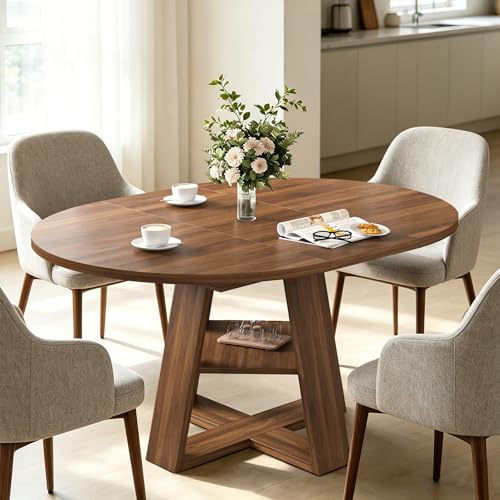


Alpen 42" Round Dining Table for 4-6, Farmhouse Kitchen Table…
$97.76
Available to ship in 1-2 days
Buy on Amazon
Enhances Home Aesthetics and Value
A thoughtfully designed dining space enhances the overall beauty and market value of a home. A stylish dining table can act as a centerpiece that ties the room together. For homeowners thinking about resale, a well-defined dining area is often a selling point, making this one of the most practical of the reasons why every home needs a dining area.
Promotes Good Posture and Eating Habits
Eating on a couch often leads to slouching and poor digestion. A dining table encourages upright sitting, which aids in digestion and supports better posture. This is a subtle but important aspect of why a dining table is important in a home.
Creates a Central Hub for Family Activities
Beyond structured meals, the dining area often becomes the central gathering spot for the household. It is where children do homework, parents plan weekly schedules, or family members come together for games and crafts. This versatility makes the dining area one of the few spaces in the home that truly belongs to everyone, solidifying the reasons why every home needs a dining area.
The Enduring Value of the Dining Area
The dining area is far more than a functional corner of the home. It is a symbol of connection, hospitality, and intentional living. It fosters family communication, encourages healthier habits, and enhances the aesthetics of the home. In an era where convenience often dominates, the dining area reminds us of the importance of slowing down and sharing experiences. Investing in a well-designed dining space is about creating a foundation for memories and traditions that enrich family life, proving that a dining table is important in a home.
Related: Once your dining area is set up, make sure your table stays in top condition by avoiding the mistakes in Neglect These 10 Tips And Ruin Your Wooden Table’s Charm.
How to Set Up a Dining Area in Almost Any Space
The honest truth about dining areas is that you do not need a separate room or even much square footage to get the benefits. A 36-inch round bistro table seats four comfortably and fits in a 5-by-5 foot corner. A drop-leaf table mounted to a wall extends for meals and folds away for the rest of the day. In studio apartments, a quality coffee table at 18 inches tall (the high end of coffee table heights) doubles as a low dining setup paired with floor cushions, a pattern borrowed from Japanese chabudai dining that has served families for centuries.
Three setup mistakes consistently undermine a dining area. First, choosing a table too small for the space; the rule of thumb from interior designers is to leave 36 inches of clearance around all sides for chairs and walking, so a 5-foot table needs at least an 11-by-11-foot footprint. Second, placing the table directly under harsh overhead lighting; pendant lights at 30 to 36 inches above the tabletop create a more inviting pool of light. Third, using the dining table as a permanent storage surface for mail, school papers, and laptops. The moment a dining table becomes a workspace 24/7 is the moment it stops functioning as a dining area at all. Pick a basket or tray for the daily clutter and reset the table before every meal. That single habit is what turns a piece of furniture into the heart of a home.
Where to Start Your Search: Top Dining Table Options
Our recommendations


Muwuele 47"-63" Solid Wood Extendable Dining Tables for 4-8, Natural
$439.99
In Stock
Condition: New
Buy on AmazonFrequently Asked Questions
Do I really need a dining area in a small apartment?
Yes, even in 500 square feet. The benefit of a dining area is the designated mealtime ritual, not the square footage. A 30-inch round drop-leaf table folded against the wall, a high-quality bar-height counter with two stools, or even a chabudai-style low table with floor cushions all qualify. The 250-plus studies analyzed by The Family Dinner Project found benefits regardless of table size or formality.
How big should my dining table be?
Allow 24 inches of width per person for comfortable elbow room. A 4-person rectangular table runs about 48 to 60 inches long; a 6-person needs 72 inches; an 8-person needs 96 inches. Round tables seat 4 at 42 inches diameter, 6 at 60 inches, 8 at 72 inches. Always leave 36 inches of clearance around the table for chair pull-out and walking traffic.
What is the best wood for a dining table that will last decades?
Solid hardwoods top the list: white oak, walnut, cherry, and hard maple all routinely deliver 30-plus years with normal use. Softer hardwoods like cherry and walnut dent more easily but develop gorgeous patinas. Avoid veneered MDF or particleboard tables for daily use; they typically show edge damage within 3 to 5 years and cannot be refinished. A solid hardwood table can be sanded and refinished several times over its lifespan.
Does a dining area actually add to home value?
Defined dining spaces, whether a separate room or a clear dining zone within an open-concept layout, are consistently cited by real estate professionals as a feature buyers expect to see. While the pure square footage carries the largest dollar value in a home appraisal, listing photos that show a clear dining setup tend to generate stronger buyer engagement than open-concept rooms with no defined dining zone, since buyers visualize hosting more easily.
How do I keep kids interested in eating at the dining table?
Three habits work across age groups. First, no screens at the table for anyone, including parents; consistency is the rule that makes the rule. Second, make the table a phones-down conversation zone using a simple game like Rose-Thorn-Bud (each person shares one good thing, one challenge, one thing they’re looking forward to). Third, let kids help set the table; psychological ownership of the space increases their willingness to use it. The Family Dinner Project’s free conversation starters are a useful resource for the first month of building the habit.
This article contains affiliate links #ad
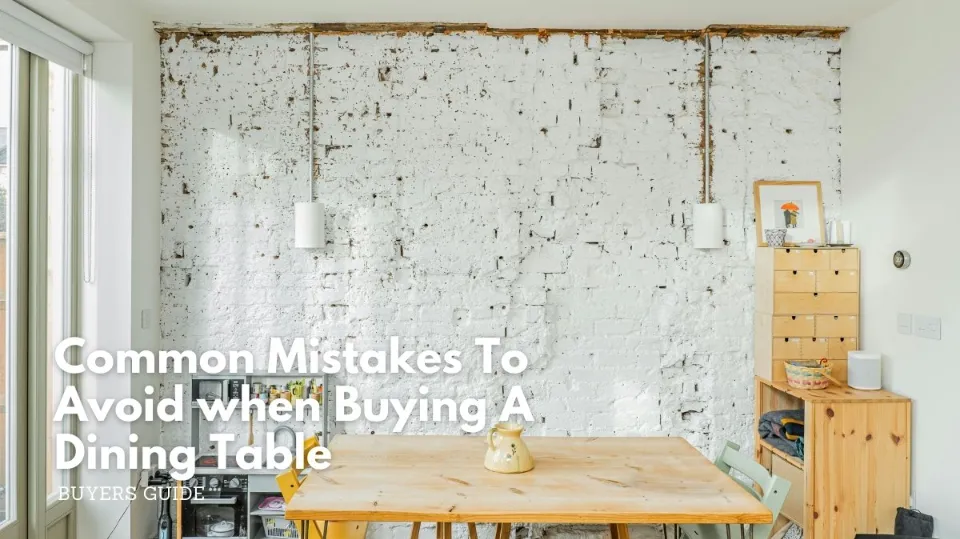
Common Mistakes To Avoid when Buying A Dining Table

Neglect These 10 Tips And Ruin Your Wooden Table’s Charm

Cherry vs Birch Wood Table: What to Know Before You Buy

7 Surprising Reasons To Use Wood Every Day At Home

7 Best Outdoor Furniture Sets for Relaxing and Entertaining

10 Best Wooden Kitchen Spoons For Every Home Cook
Loved by our customers


Wooden Utensil Holder
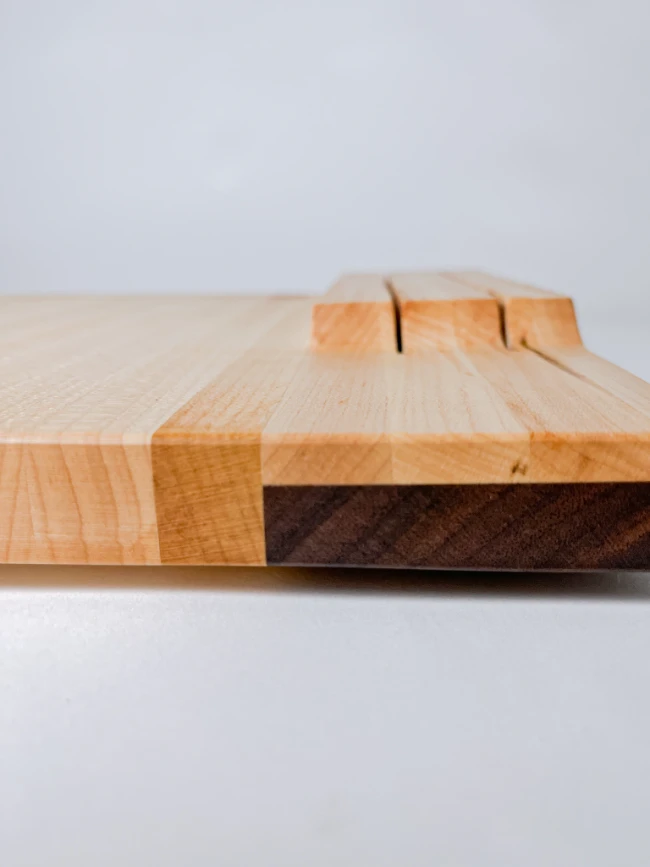
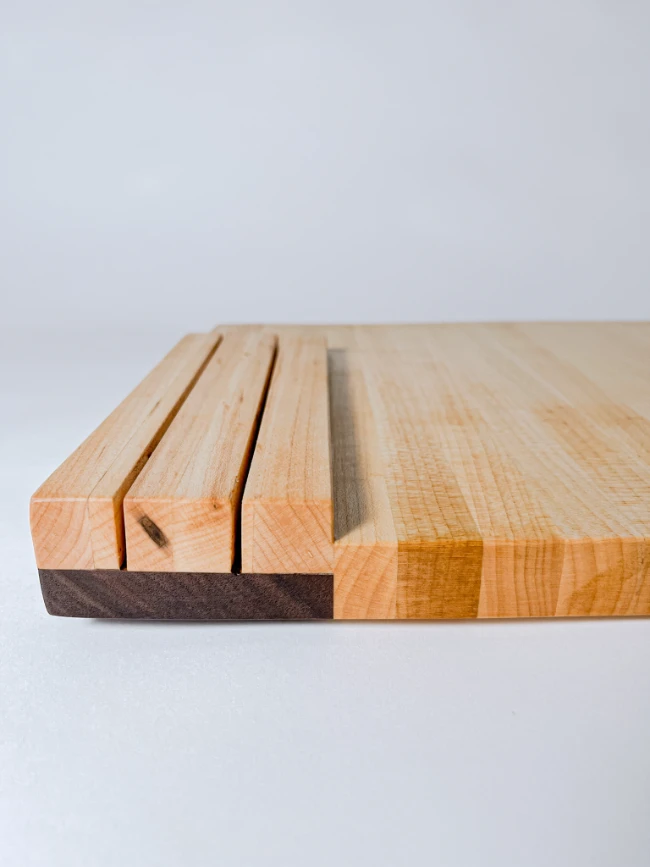

Wood Cutting Boards
Walnut Wooden French Bread Slicer for Baguettes, 1 inch thick slices



Living Room