







Wood Species: 10 Best Wood Species For Exterior Louvers
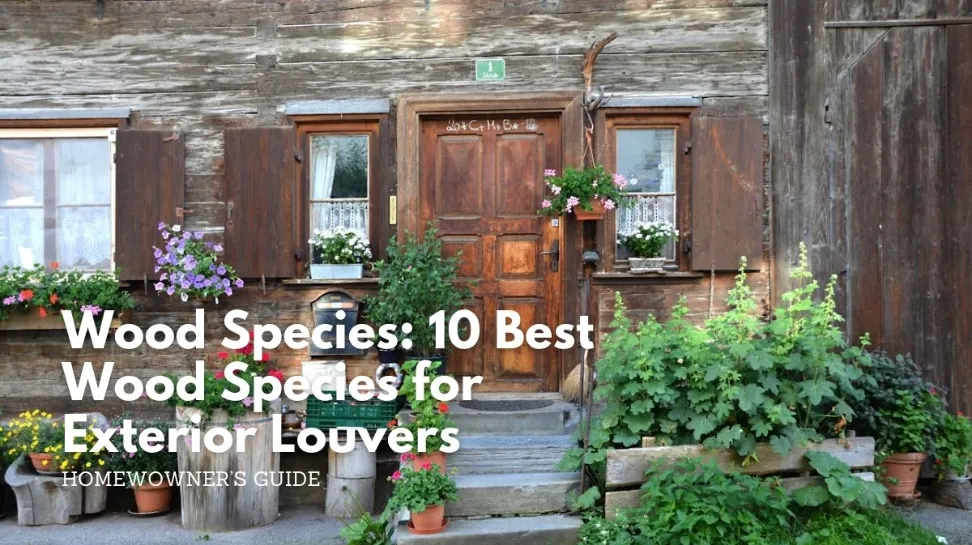
Exterior louvers do real work. They shade windows, ventilate attics, vent dryers, and keep gable peaks from cooking your insulation. They also wear the weather face-first for decades, which is exactly why choosing the right wood species matters more than choosing the right paint color. Pick wrong, and you will replace those slats inside ten years. Pick right, and your grandkids might still admire them.
Below, we ranked the 10 best wood species for exterior louvers based on rot resistance, machinability, price, and how well each one holds finish. We pulled specs from ShutterLand and Estate Millwork (two manufacturers with decades of louver experience), crosschecked rot data with the USDA Forest Products Lab Wood Handbook, and stress-tested the picks against carpenter feedback from real-world installs.
Whether you are building Bahama shutters for a coastal cottage, framing functional gable vents, or planning a privacy fence with louvered panels, this guide will help you stop second-guessing the lumber aisle.
Quick takeaway: Western Red Cedar wins for most homeowners on price, looks, and durability. Teak and ipe last 40 to 50 years but cost a small fortune. Spanish Cedar and cypress shine in humid southern climates, while sapele and genuine mahogany dial up the curb appeal. Whichever wood species you pick for your exterior louvers, the install hardware and maintenance schedule matter just as much as the lumber.
Table of Contents
Why Wood Species Matters More Than You Think
Louvers fail in three predictable ways: rot at the end grain, paint peeling along the slat tops, and joint loosening where stiles meet rails. Every one of those failures traces back to how the wood handles water. Some species (think teak and ipe) carry natural oils that shrug off moisture for half a century. Others, like red oak, wick water like a sponge and split before the first frost cycle.
Beyond rot resistance, you want a species that machines cleanly into thin slats, holds fasteners without splitting, and accepts paint or stain evenly. Cedar checks all those boxes for under $5 per board foot. Tropical hardwoods cost three to ten times more, but they also outlast the house in some cases. Therefore, matching wood species to climate, budget, and lifespan goals is step one. The aesthetic decision (paint grade vs. stain grade) comes next.
If you want a deeper dive into how density and grain pattern affect outdoor durability, our guide to differences between hardwood and softwood trees covers the science behind why cedar (a softwood) often outperforms oak (a hardwood) on exteriors.
10 Best Wood Species for Exterior Louvers
Here is the ranked list. Each species earned its slot based on a blend of rot resistance, dimensional stability, finish acceptance, availability, and price.
1. Western Red Cedar
Western Red Cedar is the industry default, and for good reason. It weighs about 23 pounds per cubic foot (light enough to hang on hinges without straining the frame), resists rot through natural thujaplicins, and machines like butter. Cedar also takes paint and stain evenly, which means your louvers will not blotch after the first refinish. According to ShutterLand, properly maintained cedar louvers last roughly 20 to 25 years. Expect to pay $4 to $6 per board foot at quality lumberyards.
2. Spanish Cedar
Despite the name, Spanish Cedar is actually a tropical hardwood (Cedrela odorata) related to mahogany. Gulf Coast builders love it because it tolerates extreme humidity, machines beautifully, and resists insect damage. Estate Millwork lists Spanish Cedar in their top three louver woods, alongside cypress and Western Red Cedar. The aromatic oils discourage termites, which is a bonus in southern states. Budget around $7 to $10 per board foot.
3. Cypress
Bald cypress contains cypressene, a natural preservative oil that lets the wood survive in standing water longer than most softwoods. That makes it a smart pick for exterior louvers in flood-prone or high-humidity regions. Cypress also paints well and holds nails without splitting. The catch: old-growth cypress is increasingly hard to find, and the new-growth lumber sold at most yards is less rot resistant than the heart cypress your grandfather used. Source from a reputable mill, and inspect for sapwood streaks.
4. Redwood
Redwood weathers to a soft silver if left unfinished, or holds a rich reddish brown under stain. Its high tannin content discourages rot and insects, and it stays remarkably stable through wet-dry cycles. Heart redwood (the dark inner wood) is the gold standard; sapwood is much less durable, so always specify “all heart” when ordering. Price ranges from $9 to $15 per board foot, depending on grade. Best for high-end shutters where the natural color is part of the design.
5. Sapele Mahogany
Sapele (Entandrophragma cylindricum) is the architectural-woodworker favorite on Reddit, and we get why. It machines like genuine mahogany, takes a glass-smooth finish, and resists rot for decades. Sapele also stays dimensionally stable, which means your dado joints will not loosen after a few seasons. The wood carries a rich ribbon-stripe figure that shows beautifully under clear marine varnish. Expect to pay $8 to $12 per board foot.
6. Genuine (Honduran) Mahogany
Genuine Honduran mahogany (Swietenia macrophylla) is the marine-grade choice. Boatbuilders have used it for centuries because it stays straight, resists rot, and looks gorgeous under any finish. For exterior louvers, genuine mahogany is overkill on most projects, but absolutely worth it for flagship homes or historic restorations. Source FSC-certified stock to avoid the murky harvest practices that have plagued this species. Plan on $14 to $20 per board foot.
7. White Oak
White oak (Quercus alba) is the only oak species that belongs on this list. Its closed-grain pores and high tyloses content block water absorption, which is why coopers use it for whiskey barrels. Red oak, meanwhile, has open pores that wick moisture straight through, so it rots fast outdoors. White oak machines harder than cedar but holds detailed louver profiles cleanly. It also fumes to a deep tobacco brown over time, lending an old-world look to mission-style exteriors.
8. Teak
Teak (Tectona grandis) is the gold standard for moisture resistance. Its waxy natural oils repel water so effectively that teak boats spend decades at sea without fasteners loosening. For exterior louvers, teak delivers a 40 to 50 year lifespan with minimal maintenance, even left unfinished. The downsides: it costs $25 to $40 per board foot, and the natural oils make finish adhesion tricky (you must wipe with acetone before sealing). Reserve teak for trophy projects or saltwater installs.
9. Ipe (Brazilian Walnut)
Ipe (Handroanthus spp.) is denser than water. Drop a board in a pond, and it sinks. That density translates to extreme rot, fire, and termite resistance, with a 40 to 50 year lifespan in ground contact. For louvers, ipe is heavy enough that hinges and frames need beefing up, but the wood will outlast every other material on the house. Carbide tooling is required (steel blades dull in minutes), and pre-drilling every fastener hole is mandatory. Price runs $10 to $15 per board foot.
10. Red Grandis
Red Grandis (a plantation-grown eucalyptus from Uruguay) is the newcomer on this list and the sustainability darling. It is FSC-certified, dimensionally stable, finishes beautifully, and prices in the same range as Western Red Cedar. ShutterLand specifically calls out Red Grandis for paint-grade louvers, since the closed grain accepts primer flawlessly. If you want eco-friendly credentials without paying tropical-hardwood prices, this is the species to ask for.
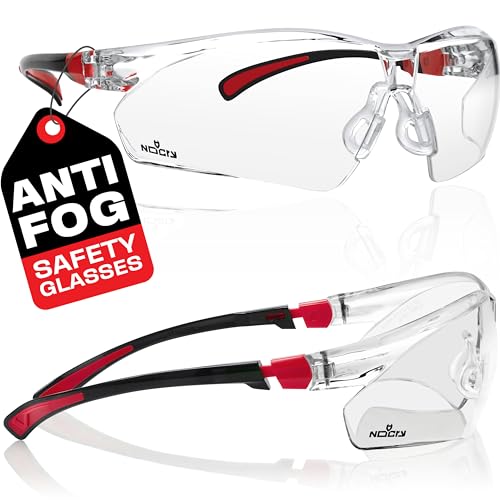
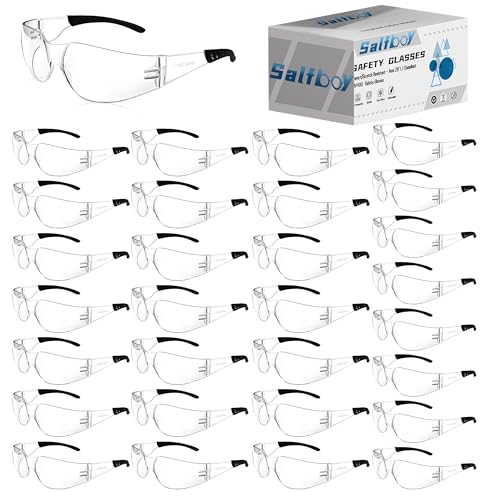
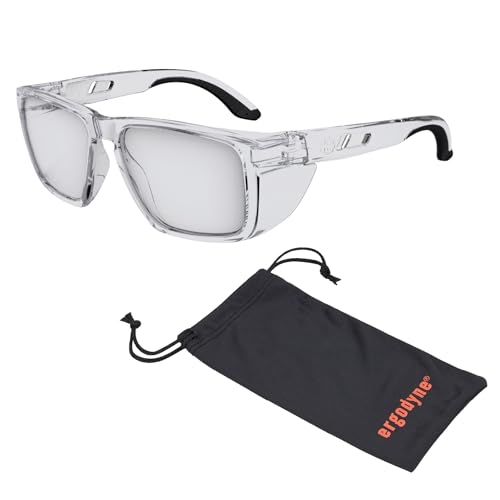
Top-Rated Safety Gear for Working with Louver Wood
Working with dense tropical hardwoods like ipe and teak kicks up serious dust. Get the right protection before you start cutting.



How to Pick the Right Louver Wood for Your Climate
Climate is the single biggest factor that decides which wood species will thrive on your house. A redwood louver that lasts 40 years in dry California can rot through in 10 years on the Florida panhandle. Likewise, ipe overkills the requirements in arid Arizona, where almost any wood holds up. Match the species to the weather, and the rest of the project gets easier.
For humid southern climates, lean on Spanish Cedar, cypress, or Red Grandis. Each one tolerates standing humidity without warping. For dry western states, Western Red Cedar and redwood deliver plenty of durability at a fair price. For coastal saltwater installs (within 5 miles of the ocean), jump straight to teak, ipe, or sapele, since salt accelerates rot in lower-grade species. For cold northern climates with hard freeze-thaw cycles, white oak and genuine mahogany offer the best dimensional stability.
Budget also matters. If you are protecting a $400,000 home, the $300 difference between cedar and mahogany is rounding error. If you are building a workshop on a tight budget, cedar or Red Grandis will do the job for half the price. Our guide to best outdoor furniture sets applies the same climate-matching logic for patio pieces, which is worth a read if you are styling the whole exterior.
Sandpapers for Smoothing Louver Slats
Louver slats need a perfectly smooth surface so finish lays down evenly. Stock up on a few grits, from coarse 80 to ultra-fine 320, before you mill the first piece.


Hardware and Installation Tips That Make Louvers Last
Even the best wood species will fail if you fasten it with the wrong hardware or install it without air gaps. Here are the install rules every Wooden Edge reader should follow.
First, use stainless-steel fasteners. ShutterLand specifies 316-grade stainless for any louver within 5 miles of saltwater, and 304 stainless or hot-dip galvanized for inland installs. Plain steel or bright-zinc screws corrode within months and leave permanent black streaks down your siding. The extra $20 per box of stainless screws is the cheapest insurance you will buy.
Second, leave breathing room. Mount louver panels with quarter-inch stand-off blocks so air can pass behind the wood. Louvers wedged tight against masonry or wrapped in moisture-trapping caulk fail twice as fast as those with airflow. Therefore, never caulk the back side, and never sandwich a louver against unpainted brick.
Third, glue your joints with marine-grade polyurethane. Yellow PVA glue does not survive outdoor wet-dry cycles. Polyurethane glue (Gorilla Glue is one common brand) expands as it cures, locking mortise-and-tenon joints tight and resisting water for the panel’s full lifespan. ShutterLand pairs polyurethane glue with 3-inch hardwood dowels at every stile-to-rail joint, which is a battle-tested blueprint for DIY builds.
Finally, seal end grain first. End grain absorbs water 12 times faster than face grain, so before you assemble the panel, brush a heavy coat of penetrating oil or epoxy primer onto every cut end. For more on shielding wood from moisture, our guide to does wooden furniture absorb water walks through the science.
Marine-Grade Wood Glue for Louver Joinery
Polyurethane glue locks panel joints tight through every wet-dry cycle. Pick the right tube before you start assembly.

Titebond Original Wood Glue 5063, Industry Standard for Woodworking, Furniture…
$3.92
In Stock
Buy on AmazonThe Maintenance Schedule That Doubles Louver Lifespan
Most louvers do not die from old age. They die from neglect. A simple yearly check and a refinish every 2 to 3 years can stretch a 20-year cedar louver into a 35-year heirloom. Here is the schedule we recommend, lifted from manufacturer guidance and our own field experience.
- Every spring: Inspect every panel. Look for cracked slats, loose hinges, paint peeling, and rust streaks. Tighten any loose screws and replace damaged slats early.
- Every 1 to 2 years: Refresh the finish on south- and west-facing louvers (the sun-baked sides). Penetrating exterior oil or marine-grade spar urethane works on stained louvers. Acrylic exterior paint touch-ups handle painted panels.
- Every 3 to 5 years: Strip and refinish all louvers, even shaded ones. Sand back to bare wood, reseal end grain, and apply two fresh top coats.
- Every 10 years: Replace any pintle hinges or S-hooks showing wear. Stainless lasts longer than the wood, but it is not eternal.
For finish recommendations, our deep dives on oil-based vs. water-based stains and how to finish wood like a pro cover product selection in detail. The short version: oil-based stains penetrate deeper for outdoor use, but water-based finishes clean up faster and meet stricter VOC rules in some states.
Polyurethane Clear Wood Finish for Long-Lasting Louvers
Spar urethane is the right top coat for stained louvers. It flexes with the wood through humidity cycles and blocks UV rays.


Picking Your Louver Wood Today
Recapping the short version: Western Red Cedar wins for most projects. Spanish Cedar and cypress edge it out in humid climates. Sapele and genuine mahogany add elegance for high-end builds. Teak and ipe deliver multi-decade lifespans for trophy projects. Red Grandis brings sustainability into the mix at a friendly price. Whichever species you choose for your exterior louvers, pair it with stainless hardware, breathable installation, and a steady maintenance schedule.
The right combination of species, hardware, and care will turn a weekend project into a multi-decade feature on your home. Go pick your lumber, and let your louvers earn their keep for the next 30 years.
This article contains affiliate links #ad
Frequently Asked Questions
What is the most rot-resistant wood for exterior louvers?
Teak and ipe top the list, with lifespans of 40 to 50 years even in soil-contact applications, thanks to dense fibers and high natural-oil content. For most homeowners, though, Western Red Cedar offers the best mix of price, availability, and durability, lasting around 20 years with regular maintenance. According to ShutterLand and Estate Millwork (two manufacturers with decades of louver experience), cedar remains the industry default because it works easily, accepts paint and stain well, and resists insect damage. If your house sits in a humid southern climate, swap cedar for cypress or Spanish Cedar; both contain natural preservative oils that handle moisture better.
Do exterior wood louvers need to be sealed or painted?
Yes, even on naturally rot-resistant species like cedar and redwood. UV light fades color, and seasonal moisture cycles cause expansion that opens micro-cracks where water sneaks in. Apply a penetrating exterior oil or marine-grade spar urethane every 1 to 3 years, depending on sun exposure. If you prefer paint, use a 100% acrylic exterior primer plus two top coats, and inspect annually for peeling. The architectural-woodworker community emphasizes one rule: any unpainted, unsealed end grain absorbs water like a straw, so seal end grain first and refresh it every spring.
How long do wooden exterior louvers last?
Lifespan ranges from 5 years for poorly built pine louvers in humid climates to 50+ years for kiln-dried teak or ipe with annual maintenance. Cedar and redwood louvers typically last 20 to 25 years if you reseal every 2 to 3 years, replace cracked slats promptly, and use stainless-steel fasteners (galvanized hardware leaves rust streaks within a few years). The biggest predictor of longevity is not the wood species, but installation: louvers mounted directly against masonry or wrapped in moisture-trapping caulk fail twice as fast as those mounted with stand-offs that allow airflow behind the panel.
Can I make exterior louvers from pressure-treated pine to save money?
Yes, but plan to repaint every 2 years and expect a 10 to 15 year service life at most. Pressure-treated pine handles ground-level moisture well, but it expands and contracts more than cedar or mahogany, which loosens dado joints and pops paint. The woodworking community generally recommends pine only for painted, large-louver fence panels, not detailed window shutters. For window-mounted louvers, the joinery stress on softwood pine is too high. Spend the extra $50 to $100 per panel on Spanish Cedar or Red Grandis, and you will recoup the cost in saved labor over the louvers’ lifespan.
What hardware should I use to install exterior wood louvers?
Use 316-grade stainless-steel screws and hinges for any louver within 5 miles of saltwater, and 304 stainless or hot-dip galvanized for inland installations. Avoid plain steel or bright-zinc hardware: they corrode within months and leave permanent black streaks down your siding. ShutterLand specs corrosion-resistant coated screws plus 3-inch dowels and polyurethane exterior glue for panel construction, which is a good blueprint for DIY builds. For functional shutters, marine-grade pintle hinges and S-hooks (also stainless) keep louvers swinging straight for decades.
Recommended for You
Stop Wood Eating Insects From Destroying Your Wood
Pressed Wood Vs Real Wood: Which One is Right for You?

Can New Furniture Make You Sick? The Hidden Dangers You Didn’t Know

Wood Allergy Alert: Signs, Symptoms, And Proven Prevention

Wood You Believe It? The Most Unusual Items Made From Wood

DIY vs Buying Wooden Furniture: Which One is Better?
Loved by our customers
Wooden Utensil Holder
Wood Cutting Boards
Walnut Wooden French Bread Slicer for Baguettes, 1 inch thick slices
Living Room